
Complete Guides
Company & News
Shipping to College
College Storage for Parents
College Move-In & Move-Out
College Packing List
Dorm Storage & Organization
College Summer Storage
Dorm Room Essentials
Sports
Personal
Lifestyle
College Life
Health and Wellness
Entreprenership
Food
Business
Complete Guide to Living in Dallas - What Students and Families Need to Know

Dallas has become one of the hottest destinations for college students and young families across the country. With its booming economy, mild winters, and surprisingly affordable cost of living, it’s no wonder that Dallas-Fort Worth was the nation’s third-fastest-growing metro area in 2026. Whether you’re a college student looking for internship opportunities or a family considering a fresh start, Dallas offers the perfect blend of big-city amenities and southern hospitality.
The city is home to 1.3 million residents, making it the ninth-largest city in the U.S., while the greater Dallas-Fort Worth metroplex houses over 7 million people. With 24 Fortune 500 companies calling the area home, including AT&T and Southwest Airlines, Dallas provides incredible opportunities for students transitioning into their careers and families seeking economic stability.
Bottom line: Dallas offers college students and families an affordable big-city experience with excellent job prospects, diverse neighborhoods, and year-round outdoor activities - all without the crushing costs of coastal cities.
Why Dallas makes sense for students and families
Dallas stands out from other major cities because you don’t need a six-figure salary to live comfortably here. The median household income sits around $68,000, which goes much further than in cities like San Francisco or New York. For college students, this means more affordable off-campus housing options and better part-time job opportunities that actually help cover living expenses.
The city’s diversity is another major draw. About 42 percent of Dallas residents are Hispanic, 24 percent are Black or African-American, and 23 percent are foreign-born. This creates an incredibly rich cultural environment where you’ll find authentic cuisine from around the world - perfect for adventurous college students on a budget.
Dallas also boasts over 35 universities and colleges in the metro area, including the University of Texas at Dallas and the University of North Texas. This means a vibrant student population, plenty of internship opportunities, and a city that truly understands the needs of young people transitioning into adulthood. With Storage Scholars expanding to serve Texas Christian University (TCU) and other Dallas-area campuses, students have access to convenient, student-run moving and storage services that make college transitions seamless.
Smart strategy: Take advantage of Dallas’s diverse job market by exploring internships in tech, healthcare, finance, or logistics - industries that are thriving here and offer great entry-level opportunities.
Cost of living that won’t break your budget
One of Dallas’s biggest advantages is its reasonable cost of living compared to other major metropolitan areas. The average rent for a one-bedroom apartment is around $1,575 per month, which is actually lower than the national average of $1,750. For college students sharing apartments or looking at studio options, you can find decent housing for much less.
Home prices tell an even better story for families. The average home value in Dallas is approximately $304,500, compared to $575,200 in Miami, $530,700 in Denver, or a staggering $1.3 million in San Francisco. This makes Dallas an attractive option for young families looking to buy their first home or parents considering relocating to be closer to their college-aged children.
Average Rent
Dallas: $1,575
National Average: $1,750
Home Value
Dallas: $304,500
National Average: $360,700
Groceries
Dallas: Below average
National Average: Baseline
Healthcare
Dallas: Below average
National Average: Baseline
For students, the MIT Living Wage Calculator suggests you need just under $48,000 annually to cover basic needs in Dallas. While that might sound high for a college student, remember that this covers full adult living expenses. Shared housing, meal plans, and student discounts make college life much more affordable. Plus, with services like Storage Scholars offering free packing supplies delivered right to your door, students can save even more on moving and storage costs during semester breaks.
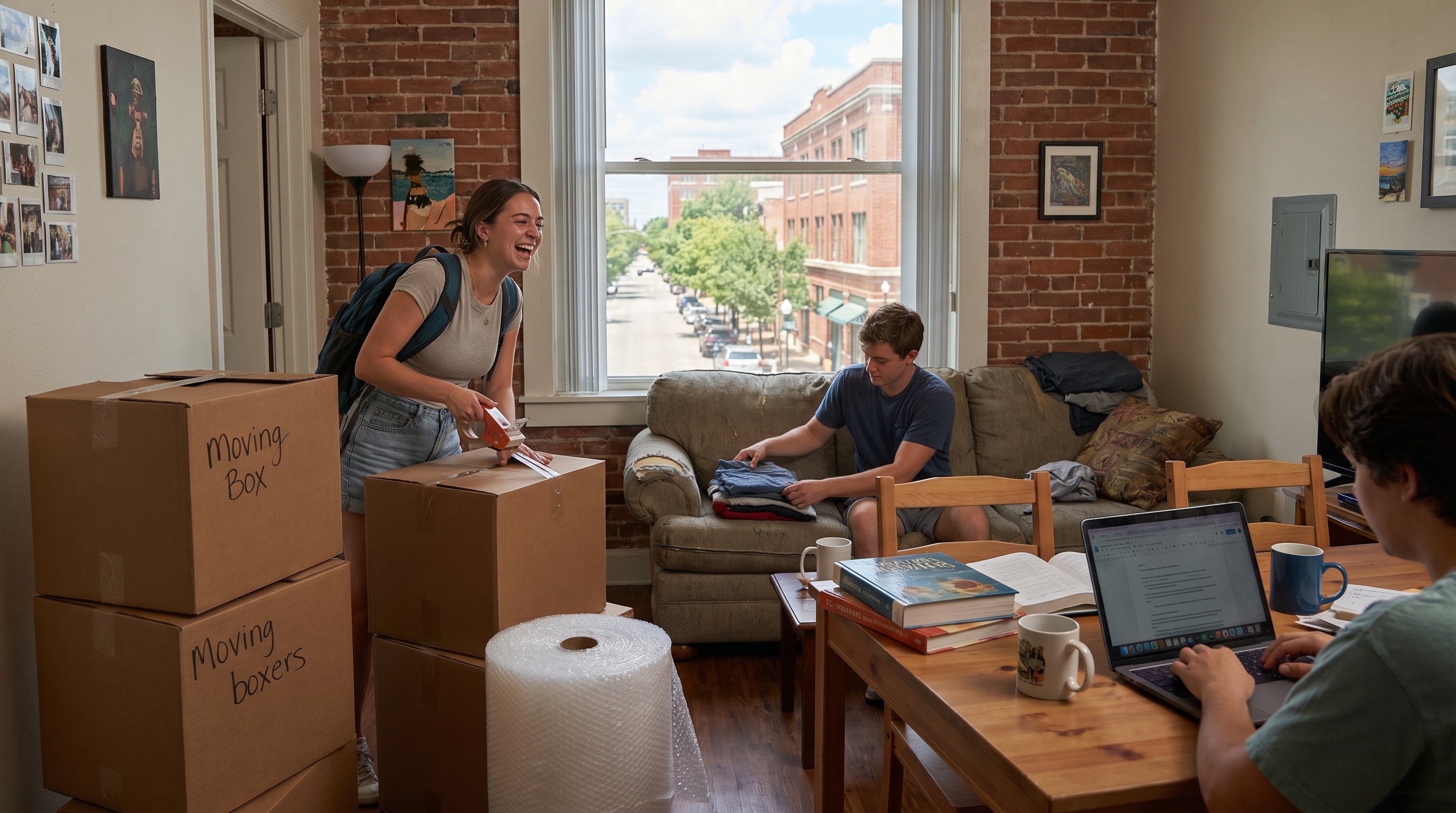
Neighborhoods that fit your lifestyle
Dallas offers something for everyone, whether you’re a college student wanting walkable nightlife or a family seeking quiet suburban streets. Each neighborhood has its own personality, and choosing the right one can make or break your Dallas experience.
Uptown is the go-to choice for young professionals and college students who want to be in the heart of the action. Located just north of downtown, it features tree-lined streets, trendy restaurants, and active nightlife. The area is more expensive than other neighborhoods, but the walkability and social scene make it worth considering if you can swing the budget.
Oak Lawn serves as one of Dallas’s cultural centers while remaining much more affordable than Uptown. It’s packed with great stores, venues, and restaurants, making it ideal for students and first-time home buyers who want culture without the premium price tag.
For families, Frisco stands out as one of Dallas’s most established suburbs. It’s essentially a city of its own, complete with excellent schools, family amenities, and even the Dallas Cowboys corporate headquarters. The area offers everything a growing family needs while maintaining that suburban feel many parents crave. If you’re exploring family-friendly communities near major cities, Dallas suburbs like Frisco provide similar benefits with Texas-sized value.
Lake Highlands provides a perfect middle ground with its quiet, tree-lined streets and top-rated school districts. It’s ideal for families who want suburban living with easy access to Dallas’s urban amenities.
Pro tip: Visit potential neighborhoods during both weekday and weekend hours to get a real feel for traffic patterns, noise levels, and community vibe before making your decision.
Weather, culture, and practical considerations
Dallas weather is a tale of two extremes that most people learn to love. Summers are hot - we’re talking average highs above 90 degrees from June through August, with temperatures regularly climbing above 100. But here’s the trade-off that makes it worthwhile: winters are incredibly mild. You’ll rarely see snow, and winter days often hover in the comfortable 50s and 60s.
The cultural scene in Dallas extends far beyond cowboy stereotypes. The city boasts the largest urban arts district in the country, featuring world-class venues like the Winspear Opera House, Dallas Museum of Art, and the AT&T Performing Arts Center. For college students, this means access to discounted student tickets for professional performances, art exhibitions, and cultural events that would cost a fortune in other major cities. If you’re comparing urban cultural experiences, living in Philadelphia or moving to Los Angeles offers similar arts districts, though often at higher price points.
Transportation is the one area where Dallas requires some adjustment. The city is huge and car-dependent, though the DART (Dallas Area Rapid Transit) system provides decent public transportation options for students. The light rail connects many universities and major destinations, making it possible to navigate the city without a car if you plan carefully.
Safety varies by neighborhood, just like any major city. While Dallas’s overall crime statistics might look concerning, there are plenty of safe areas including Lake Highlands, Preston Hollow, and suburbs like Coppell and University Park. The key is researching specific neighborhoods and taking standard urban precautions. Similar to what you’ll find in Reno, understanding neighborhood-specific safety profiles is essential when choosing where to live.

Dallas offers an unbeatable combination of opportunity, affordability, and quality of life that’s hard to find in other major American cities. Whether you’re a college student looking to launch your career or a family seeking a fresh start, Dallas provides the infrastructure, culture, and economic opportunities to help you thrive. The city’s continued growth and investment in education, arts, and business development make it an smart choice for anyone ready to experience authentic Texas living without sacrificing urban amenities. For students making the move, having reliable, student-run services for moving and storage makes the transition even smoother, allowing you to focus on what matters most - your education and new Dallas adventure.
Frequently Asked Questions
What salary do you need to live comfortably in Dallas?
According to the MIT Living Wage Calculator, you need just under $48,000 annually to cover basic living expenses in Dallas. However, the median household income of around $68,000 provides a more comfortable lifestyle. For college students sharing housing and utilizing student discounts, living costs can be significantly lower than this baseline.
Is Dallas a good place for college students and young families?
Yes, Dallas is excellent for both demographics. The city offers affordable housing compared to coastal cities, with over 35 universities creating a vibrant student environment. For families, Dallas provides excellent job opportunities with 24 Fortune 500 companies, quality suburban neighborhoods like Frisco, and home values averaging $304,500 - much lower than other major metros.
What are the best neighborhoods in Dallas for students and families?
For students, Uptown offers walkable nightlife and trendy restaurants, while Oak Lawn provides cultural attractions at more affordable prices. Families should consider Frisco for excellent schools and suburban amenities, or Lake Highlands for quiet, tree-lined streets with top-rated school districts and easy access to urban amenities.
How does Dallas weather affect daily life?
Dallas has hot summers with temperatures regularly above 90°F and often exceeding 100°F from June through August. However, winters are incredibly mild with temperatures in the comfortable 50s and 60s, and snow is rare. This allows for year-round outdoor activities and significantly reduces heating costs during winter months.
Set a reminder to sign up for storage!
We’ll remind you to sign up when it gets closer to your winter and summer break!
This article is part of our Storage Scholars News guide

Other Articles
Want to hear from us about exclusive discounts and promotions?
Drop your email and we'll keep you up to date!
