
Student Storage Services
Complete Guides
Company & News
Shipping to College
College Storage for Parents
College Move-In & Move-Out
College Packing List
Dorm Storage & Organization
College Summer Storage
Dorm Room Essentials
Sports
Personal
Lifestyle
College Life
Health and Wellness
Entreprenership
Food
Business
How to defrost a mini fridge quickly in 5 simple steps
Your mini fridge is starting to look like an arctic cave, and you need to fix it fast. Whether you're a college student preparing for move-out day or just dealing with excessive ice buildup, defrosting your mini fridge doesn't have to be a nightmare. The good news is you can defrost most mini fridges in just 4-6 hours with the right approach.
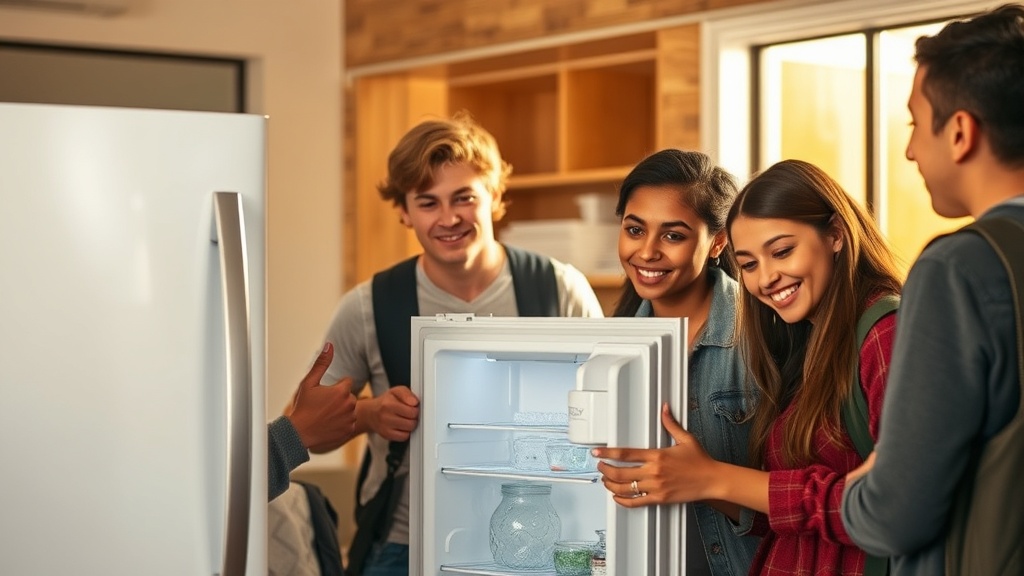
Bottom line: Unplug your mini fridge, remove all contents, prop the door open, and let it defrost naturally for 4-6 hours. For faster results, place a bowl of warm water inside to create steam.
Most mini fridges need defrosting when ice reaches about ¼ inch thick, which typically happens every 3-6 months depending on usage. Follow these 5 simple steps to get your fridge back to working condition without the mess or stress. At Storage Scholars, we've helped thousands of college students across 200+ campuses nationwide with their dorm room storage needs, and we know how important it is to keep your mini fridge running efficiently throughout the school year.
Prepare your mini fridge for defrosting
Before you start the defrosting process, proper preparation saves you time and prevents water damage. First, find a cooler or ask friends to temporarily store your perishable items. You'll need somewhere safe to keep food for several hours.
Next, gather your supplies. You'll need several towels, a plastic spatula or old credit card, and optionally a bowl for warm water. Having everything ready means you won't scramble around once the ice starts melting.
Finally, choose the right timing. Plan to start defrosting at least 24-48 hours before you actually need to use the fridge again. This gives you plenty of buffer time and reduces stress if the process takes longer than expected. If you're planning to move out of your dorm for the summer, this is the perfect time to defrost before packing up your belongings for storage.
Empty and unplug your fridge completely
Start by removing absolutely everything from your mini fridge, including items from the freezer section. Check expiration dates as you go and toss anything that's gone bad. This is actually a perfect opportunity to clean house and get rid of forgotten leftovers.
Place towels on the floor around and under the fridge. As ice melts, water will drip out, and you want to catch it before it spreads across your floor. Put an extra towel inside the fridge too, especially near the freezer section where most ice accumulates.
Speed up the defrosting process safely
While you can simply wait for room temperature to do the work, there are safe ways to accelerate defrosting. The most effective method is placing a bowl of warm (not boiling) water inside the fridge. The steam created helps raise the internal temperature and melts ice faster.
Pro tip: If you have access to outdoor space, move your mini fridge outside on a warm day. Direct sunlight and higher ambient temperature can cut defrosting time in half. This works especially well on college campuses with outdoor common areas.
Clean and dry thoroughly before restarting
Natural room temp: Time Required: 6-8 hours | Tools Needed: Towels only | Risk Level: Very low
Warm water bowl: Time Required: 4-6 hours | Tools Needed: Bowl, warm water | Risk Level: Low
Warm cloth assist: Time Required: 3-5 hours | Tools Needed: Cloth, towels | Risk Level: Low
Outdoor/warm day: Time Required: 2-4 hours | Tools Needed: Towels | Risk Level: Very low
Wipe down the interior walls with a mixture of warm water and a small amount of baking soda. This combination removes odors and any remaining residue without using harsh chemicals that could affect food safety later.
Restart and prevent future ice buildup
To prevent excessive ice buildup in the future, avoid leaving the door open for extended periods and make sure door seals are clean and tight. Moisture getting into the fridge is what creates ice, so minimizing humidity helps significantly.
Consider defrosting your mini fridge every
Consider defrosting your mini fridge every 3-4 months rather than waiting until ice becomes a major problem. Regular maintenance means each defrosting session takes less time and effort. You'll also save energy since your fridge won't have to work as hard to maintain cool temperatures.
The entire process from start to finish typically takes 4-8 hours depending on ice thickness and ambient temperature. With proper planning and these techniques, you can have your mini fridge back to normal operation in less than a day, avoiding the stress and mess that comes with emergency defrosting situations. Whether you're staying on campus year-round or preparing for summer break, keeping your mini fridge in good working order ensures you'll have reliable food storage throughout your college experience.
Frequently Asked Questions
FAQ
How long does it take to defrost a mini fridge?
Most mini fridges take 4-6 hours to defrost completely using natural room temperature. You can speed up the process to 2-4 hours by placing a bowl of warm water inside to create steam, or by moving the fridge to a warmer location like outdoors on a sunny day.
Can I use a hairdryer to defrost my mini fridge faster?
While some people use hairdryers, it's not recommended due to safety risks around water and electrical components. Instead, use safer methods like placing a bowl of warm water inside the fridge or using a warm, damp cloth to gently help soften the ice as it melts naturally.
How often should I defrost my mini fridge?
You should defrost your mini fridge every 3-6 months, or when ice buildup reaches about ¼ inch thick. Regular defrosting every 3-4 months prevents excessive ice accumulation, saves energy, and makes each defrosting session quicker and easier.
What happens if you don't defrost a mini fridge?
If you don't defrost regularly, excessive ice buildup reduces storage space, makes your fridge work harder and use more energy, can cause poor door sealing, and may lead to unpleasant odors or even damage to the cooling system over time.
Set a reminder to sign up for storage!
We’ll remind you to sign up when it gets closer to your winter and summer break!

Want to hear from us about exclusive discounts and promotions?
Drop your email and we'll keep you up to date!
