
Student Storage Services
Complete Guides
Company & News
Shipping to College
College Storage for Parents
College Move-In & Move-Out
College Packing List
Dorm Storage & Organization
College Summer Storage
Dorm Room Essentials
Sports
Personal
Lifestyle
College Life
Health and Wellness
Entreprenership
Food
Business
College Student Guide to Living Without a Car on Campus
Bottom line: Living on campus without a car is completely doable and can save you $3,000+ per year. The key is mastering your campus transportation options early and building smart routines for groceries, social plans, and emergencies.
Nearly 25% of college students don't have cars on campus, and many who bring one freshman year leave it home afterward. If you're considering joining them, here's how to make car-free campus life work without feeling stranded or missing out.
Master Campus Transportation in Your First Week
Most universities offer more transportation than students realize, but you need to learn the system early. During orientation week, ride every shuttle route at least once and time them yourself.
Download your campus shuttle app immediately. Most schools use Passio GO or TransLoc for real-time bus locations. This prevents the frustration of waiting 20 minutes for a bus that just left.
Campus shuttles typically run every 10-15 minutes during the day and connect dorms to academic buildings, dining halls, and nearby shopping. Some schools go further: University of Florida's Later Gator runs until 3 AM on weekends, while UT Austin's shuttles reach off-campus shopping areas.
Check if your school has public transit partnerships. These deals can save serious money:
- UCLA students get free LA Metro access (normally $100/month)
- Georgia Tech students pay $75/semester for MARTA (normally $95/month)
- Even smaller schools like Middlebury offer free local bus passes worth $200+ annually
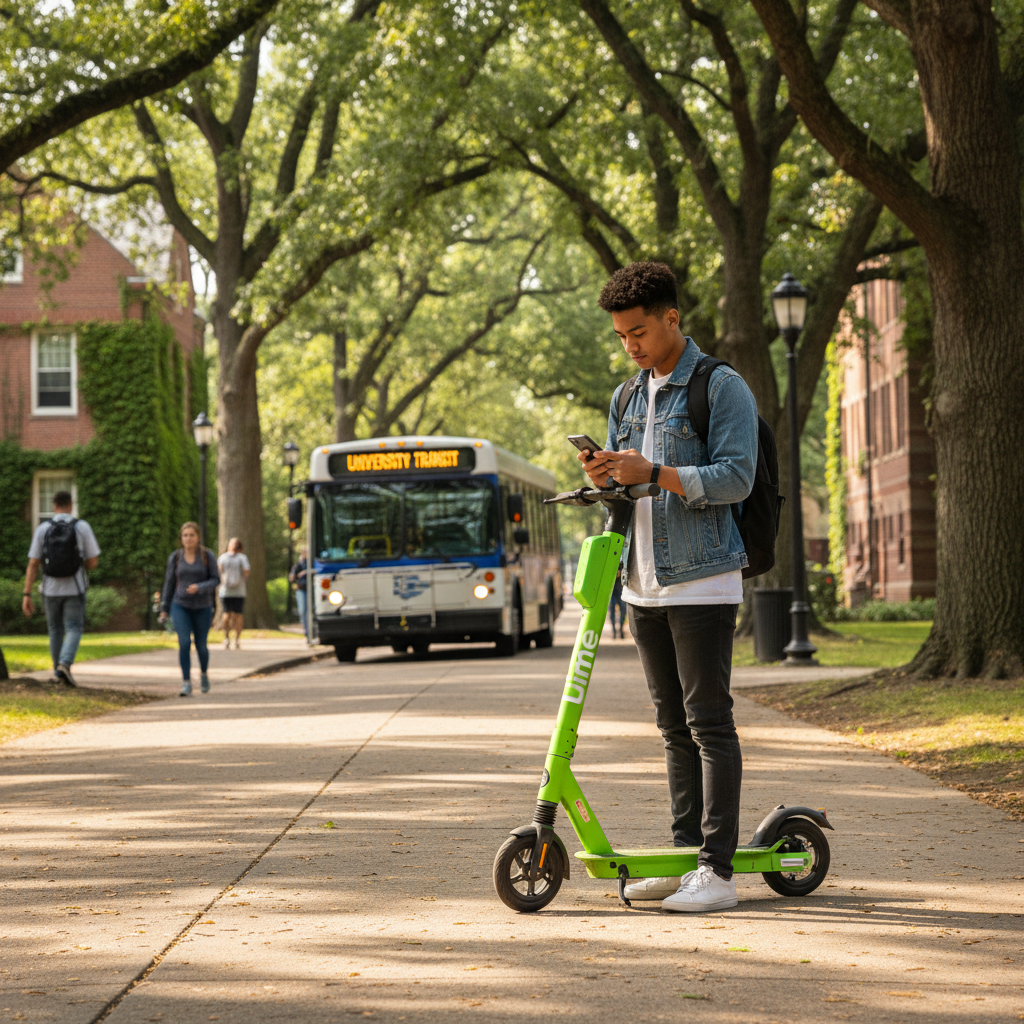
For short trips, bike and scooter shares work well. Lime and Bird charge around $1 to unlock plus 25-30 cents per minute. Monthly unlimited plans cost $20-40, though some schools have cheaper campus-specific options.
Grocery Shopping Strategy That Actually Works
Grocery delivery makes the biggest difference for car-free students. Instacart charges $3.99 delivery plus a 5% service fee. Amazon Fresh offers free delivery on orders over $35 for Prime Student members. Walmart+ students pay $6.47/month for unlimited free delivery on $35+ orders.
Here's the key strategy: coordinate bulk orders with roommates every two weeks. Split delivery fees, stock up on non-perishables, and maintain a shared shopping list on your phones. Rotate who places orders so someone's always available for delivery.
For in-person shopping, learn your weekend shuttle routes. Many schools run Saturday shuttles to Target, Whole Foods, or grocery stores. Bring a sturdy backpack and a $25-30 collapsible wheeled cart from Amazon. Buy lighter essentials during these trips and save heavy items like detergent for delivery.
Don't ignore campus convenience stores. They've evolved beyond overpriced snacks to include fresh produce, frozen meals, and household basics. Plus, they often accept meal plan dollars.
Weekly Grocery Budget Without a Car
- Delivery fees: $8-15 per week (split with roommates)
- Campus store premium: Add 10-15% to regular grocery costs
- Bulk buying savings: Save 5-10% by ordering larger quantities less often
Healthcare, Social Life, and Weekend Plans
Campus health centers handle most student medical needs: routine checkups, mental health counseling, urgent care, and prescriptions. For specialists, choose providers on public transit lines when possible.
Telehealth has become essential for car-free students. Many schools include TimelyCare (24/7 virtual appointments) in student health plans. This covers everything from allergies to anxiety without leaving campus.
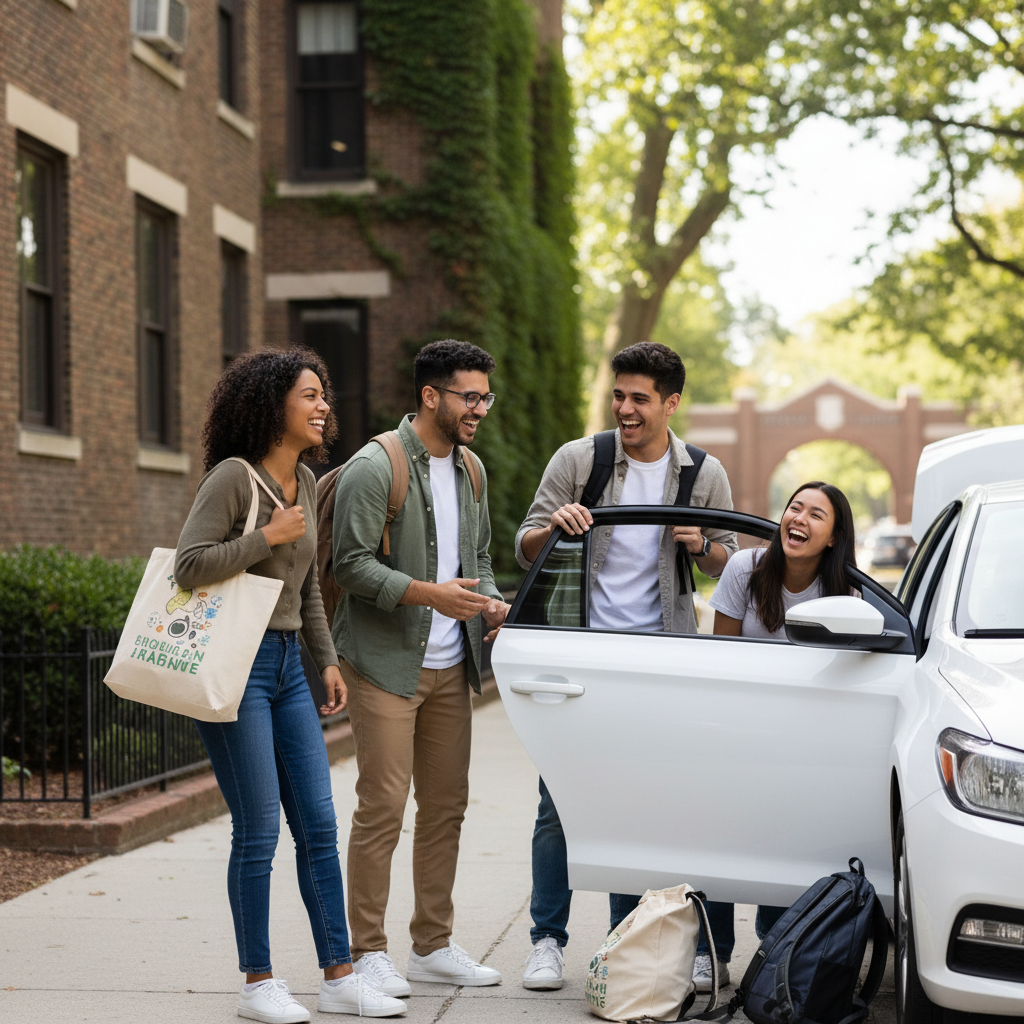
Your social life changes but doesn't disappear. Instead of driving to parties, organize group Uber rides. Splitting a $12 ride four ways costs less than campus parking anyway. Many car-free students report socializing more because they're never the designated driver.
For weekend adventures, use Facebook groups and campus message boards for ride-sharing. Students regularly post rides to beaches, hiking trails, or nearby cities. Check for "looking for riders" posts early in the week.
The Real Money You'll Save
Going car-free saves more than just gas money. Here are typical annual costs for campus car ownership:
- Parking permit: $600-1,200
- Student auto insurance: $1,200-2,000
- Gas: $800-1,200
- Maintenance and repairs: $500-800
- Registration and fees: $100-300
Total: $3,200-5,500 per year. Over four years, that's enough to graduate with significantly less debt or fund graduate school.
Beyond money, car-free students avoid parking ticket stress, vehicle break-ins, and maintenance headaches. You'll walk more, have natural social opportunities while sharing rides, and develop planning skills that help in post-graduation city living.
Making the Transition Work
If you're ditching your car, summer break is the best time. You can ship belongings home instead of cramming everything into a vehicle. Shipping services handle the logistics without needing a car for multiple trips.
Create backup plans for emergencies. Keep $50-100 in your rideshare budget for unexpected situations. Build genuine friendships with students who have cars, but don't make relationships transactional.
Download these apps before you need them:
- Campus shuttle tracker
- Local public transit apps
- Bike share platforms
- Both Uber and Lyft for price comparison
Set up accounts with grocery delivery services and campus ride-share groups early in the semester when they're most active.
The mindset shift matters most. Car-free living isn't about limitation. It's about being more intentional with your time and money while staying connected to campus life. With good planning and the right resources, you'll find it's often more convenient than dealing with campus parking and vehicle maintenance.
Need help transitioning to car-free campus living? Check out our guides on moving in without a car and packing strategically for a car-free college experience.
Related reading
- Shipping to College and No Car Solutions: The Complete Guide to Getting Your Stuff to Campus
- College Move-In Without a Car: Your Day-of Logistics Guide
- The College Packing List That Actually Makes Sense
Storage Scholars' Ship to School service mails a free packing kit, five medium boxes, tape, and five prepaid FedEx labels to a student's home, and will also accept packages shipped directly from any retailer such as Amazon, Target, Walmart, or IKEA.
Frequently Asked Questions
Can you realistically live at college without a car?
Yes, absolutely. Around 22% of college students already live car-free successfully. Most campuses offer free shuttle systems, discounted public transit passes, and bike share programs that cover your daily needs. With grocery delivery services and strategic planning for errands, you can handle everything from classes to shopping without owning a vehicle. The key is learning your campus transportation options during your first few weeks.
How much money do you save by not having a car at college?
Students typically save $2,500 to $3,600 annually by going car-free. This includes eliminating costs for gas ($100-150 monthly), insurance ($80-120 monthly), parking permits ($40-60 monthly), and maintenance. Even after budgeting for rideshares, delivery fees, and bike rentals, car-free students spend around $130-150 monthly compared to $250+ with a vehicle. That's enough savings to cover textbooks and dorm essentials.
How do you get groceries without a car in college?
Use grocery delivery services like Instacart, Amazon Fresh, or Walmart delivery for your main shopping. Delivery fees run $5-10 per order, which is cheaper than the monthly parking permit you'd otherwise pay. Alternatively, time your shopping trips with campus shuttles that run to grocery stores on weekends. Bring a backpack and reusable bags, then order heavy items like water cases for delivery.
How do you move your stuff to storage without a car?
Door-to-door storage services like Storage Scholars pick up boxes directly from your dorm room and deliver them back when you return to campus. This eliminates the need to borrow a friend's car or rent a vehicle for move-out day. It's especially valuable for car-free students during summer break, study abroad semesters, or winter holidays when coordinating transportation for multiple boxes becomes complicated.
Set a reminder to sign up for storage!
We’ll remind you to sign up when it gets closer to your winter and summer break!
This article is part of our Shipping to College guide
You Might Also Like...

Want to hear from us about exclusive discounts and promotions?
Drop your email and we'll keep you up to date!
