
Complete Guides
Company & News
Shipping to College
College Storage for Parents
College Move-In & Move-Out
College Packing List
Dorm Storage & Organization
College Summer Storage
Dorm Room Essentials
Sports
Personal
Lifestyle
College Life
Health and Wellness
Entreprenership
Food
Business
The Pros and Cons of College Life in North Carolina in 2026
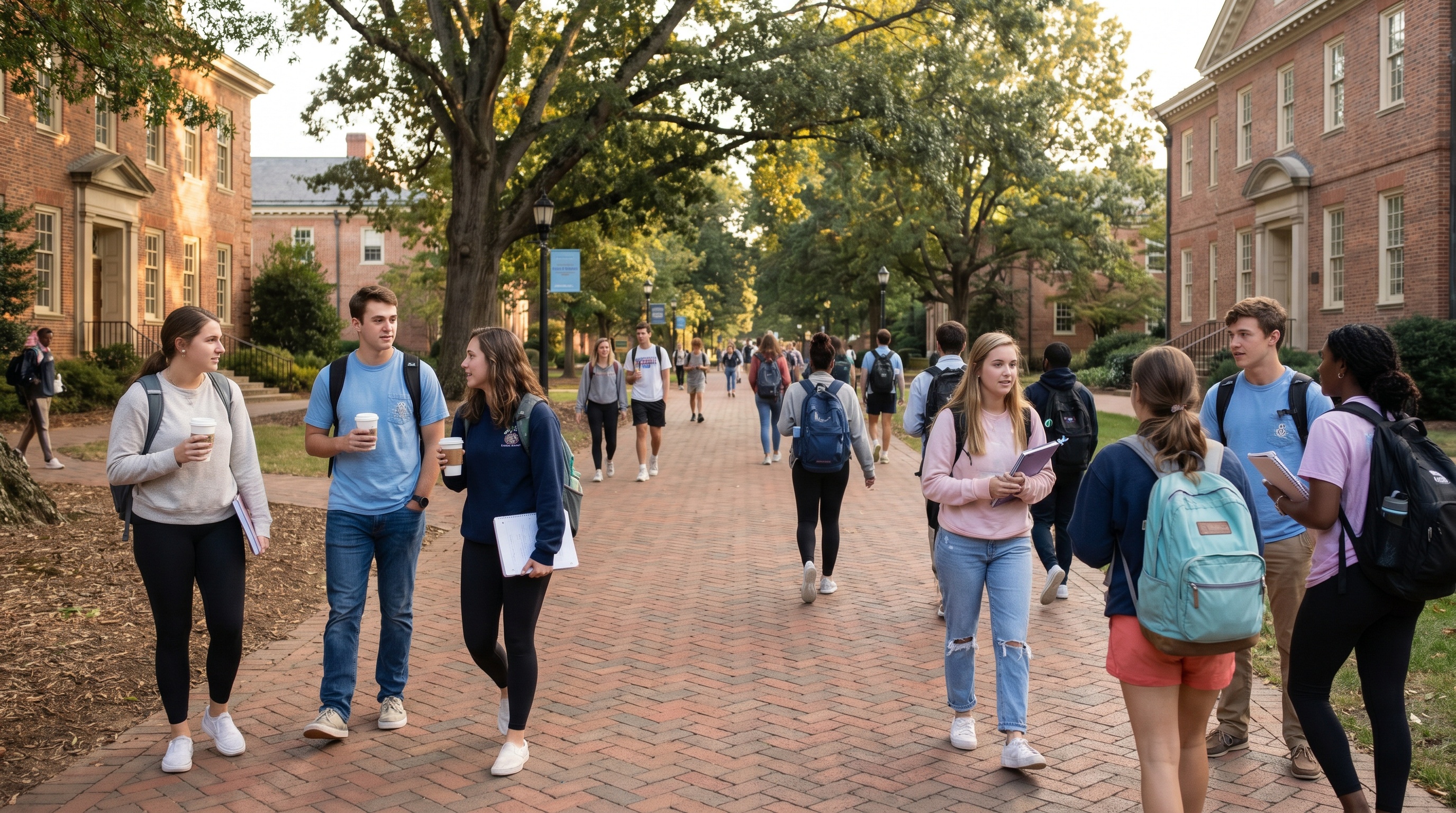
Is North Carolina the perfect state for your college experience in 2026? The Tar Heel State offers an enticing mix of prestigious universities, affordable living, and growing job opportunities for students. But like any major college destination, North Carolina comes with its challenges too.
Bottom line: North Carolina ranks as one of the most affordable states for college students on the East Coast, with living costs significantly lower than northern states and a thriving academic environment across 70+ campuses, but you’ll need to consider varying campus cultures and seasonal weather before making your choice.
Whether you’re a high school senior choosing your college or an out-of-state student considering transfer options, understanding both the advantages and drawbacks of North Carolina’s college scene will help you make the right choice. Here’s what you need to know about the 6 biggest pros and 6 main cons of pursuing your education in the Tar Heel State.
What are the biggest pros of college life in North Carolina?
North Carolina’s appeal for college students starts with affordability but extends far beyond your budget. The state offers genuine value that’s hard to find in other East Coast college destinations.
Affordable living costs compared to other college statesYour money stretches much further in North Carolina than in nearby college destinations. According to recent data, the average cost of living for students is significantly lower than states like New York or Massachusetts. Off-campus housing averages $800-1,200 per month for shared apartments, making it much more affordable than attending college in expensive metros. Many students find they can focus on their studies without the financial stress common at colleges in pricier locations like moving to Los Angeles or other West Coast cities.
Rich academic and cultural heritageFew states can match North Carolina’s educational legacy. Home to prestigious institutions like Duke University, University of North Carolina at Chapel Hill, and Wake Forest University, the state has fostered academic excellence for generations. You’ll find yourself surrounded by historic campuses, world-class libraries, and a culture that genuinely values higher education and student achievement.
Strong campus transportation and connectivityNorth Carolina’s college campuses offer excellent transportation options. Many universities provide comprehensive shuttle systems, and the state’s location makes it easy to travel between schools for events, internships, or visiting friends. The central East Coast location connects you to major cities like Washington D.C., Atlanta, and New York City for internships and job opportunities.
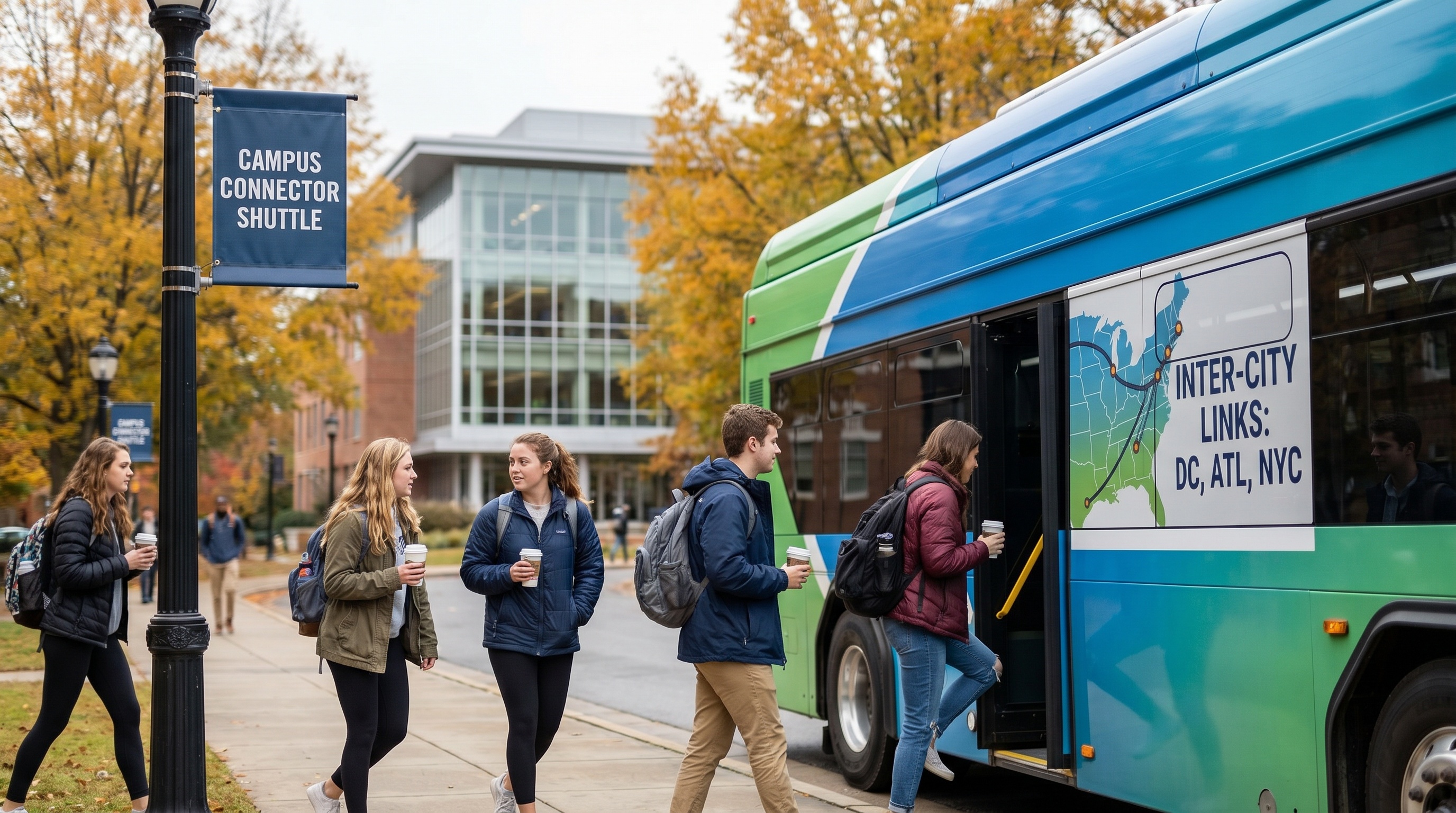
Pro tip: North Carolina’s college towns are highly walkable, meaning you can handle most daily needs on foot or with campus transportation without needing a car.
Growing job market and internship opportunitiesNorth Carolina’s economy is booming in 2026, creating excellent opportunities for college students. The Research Triangle (Raleigh-Durham-Chapel Hill) has become a major tech and biotech hub, while Charlotte serves as a financial center. Major companies actively recruit from North Carolina universities, and the state’s business-friendly environment means internships and entry-level positions are plentiful. Similar to the economic growth in Dallas, North Carolina continues to attract businesses and create opportunities for students.
Diverse campus communities and college townsNorth Carolina’s 70+ college campuses each offer unique character and student culture. From the research-focused environment at NC State to the liberal arts atmosphere at smaller colleges, you’ll find distinct academic communities throughout the state. College towns like Chapel Hill, Durham, and Winston-Salem provide vibrant student life with local businesses, restaurants, and entertainment venues that cater specifically to college students.
Excellent educational variety and specializationsThe state hosts everything from world-renowned research universities to specialized technical colleges. Whether you’re interested in business, engineering, liberal arts, or emerging fields like biotechnology, North Carolina’s higher education system provides top-tier options. This concentration of quality institutions creates excellent networking opportunities and academic collaboration between schools.
What are the main cons of college life in North Carolina?
While North Carolina offers many advantages for students, several challenges require serious consideration before you commit to attending college here.
Varying campus safety and security levelsSafety concerns can vary significantly between different North Carolina campuses and college towns. While many universities maintain excellent security, some areas around certain campuses experience higher crime rates. Students need to research specific schools and surrounding neighborhoods carefully, as safety can differ dramatically even between nearby institutions.
Unpredictable weather and seasonal challengesNorth Carolina weather can be challenging for students, especially those from other regions. The state experiences everything from humid summers to occasional winter storms, and hurricane season can disrupt campus life. Coastal areas face particular weather risks, while mountain campuses deal with winter conditions that can affect class schedules and campus activities. If you’re considering other states with challenging weather, check out the pros and cons of living in Denver for comparison.
Rising costs at popular universitiesNorth Carolina’s growing reputation comes with increased costs. Tuition and fees have climbed steeply at the most desirable institutions, and competition for admission has intensified. Even previously affordable state schools now experience significant demand, driving up both academic requirements and associated costs for housing and campus life.
Budget hack: Consider attending community college for your first two years before transferring to a four-year university to reduce overall education costs while still earning your degree from a prestigious North Carolina institution.
Limited diversity at some rural campusesWhile North Carolina’s major universities boast diverse student bodies, smaller or more rural campuses may lack the cultural diversity that many students seek. This can be particularly challenging for out-of-state or international students who want exposure to different perspectives and backgrounds during their college experience.
Competitive academic environmentsThe concentration of high-achieving students at North Carolina’s top universities creates intensely competitive academic environments. Grade curves can be harsh, and the pressure to excel academically while maintaining extracurricular involvement can be overwhelming for some students. Families prioritizing a more balanced college experience might also want to explore family-friendly communities like Thousand Oaks for comparison.
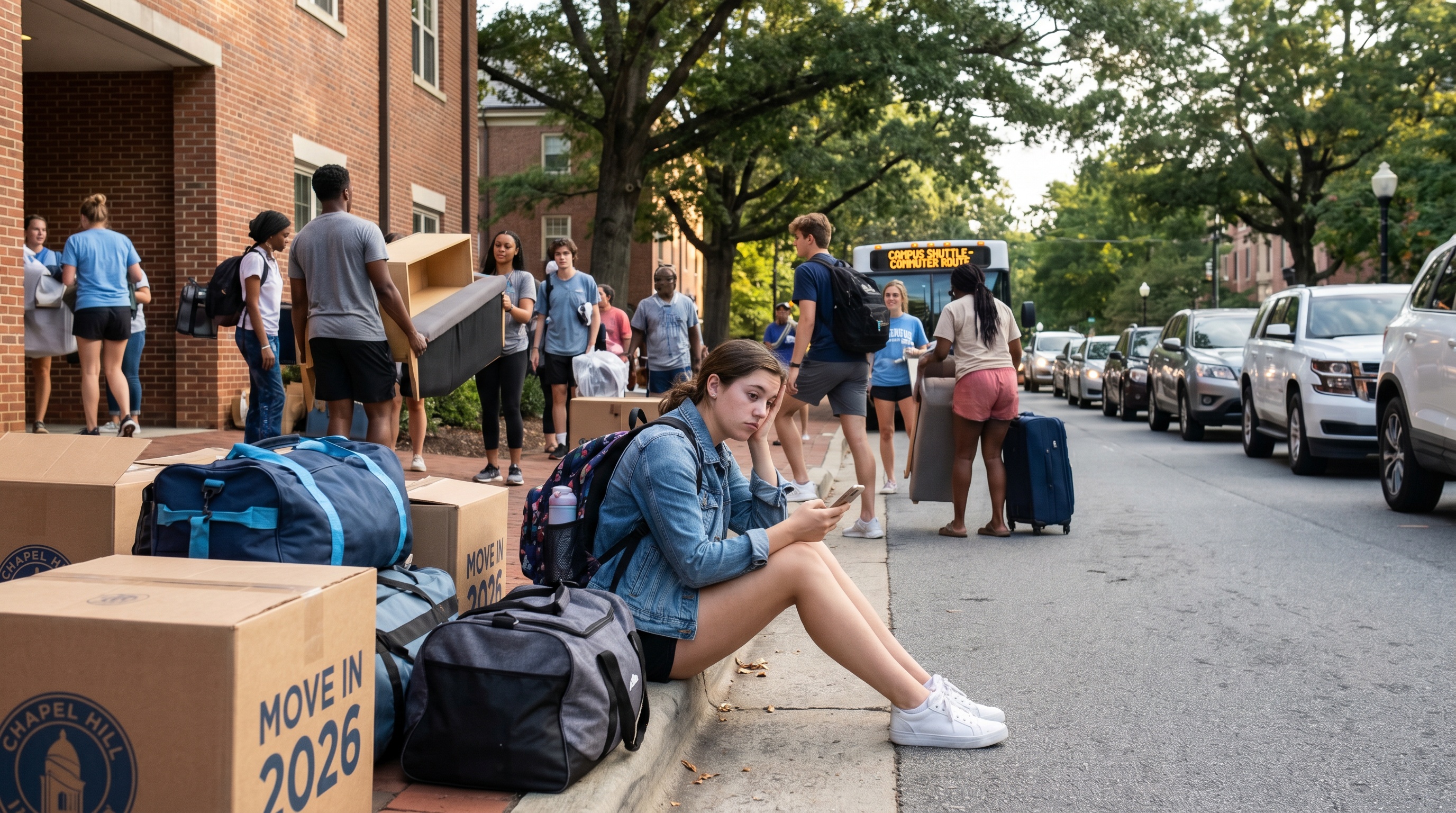
Limited off-campus housing in college townsPopular North Carolina college towns often struggle with housing shortages, especially for students who want to live off-campus. Competition for quality apartments near campus can be fierce, and many students find themselves commuting longer distances or paying premium prices for convenient locations. This housing crunch can significantly impact your college budget and social life.
Is North Carolina worth it for your college experience?
The decision to attend college in North Carolina ultimately depends on your academic goals, budget, and lifestyle preferences. The state works exceptionally well for students seeking quality education at reasonable costs, particularly those interested in research opportunities and strong alumni networks.
Cost of Education
North Carolina Rating: Excellent
Best For: Budget-conscious students
Academic Quality
North Carolina Rating: Excellent
Best For: Research, business, healthcare
Campus Safety
North Carolina Rating: Good
Best For: Research individual schools
Student Life
North Carolina Rating: Excellent
Best For: Active, engaged students
North Carolina shines brightest for students who want prestigious education without the crushing debt common at expensive private colleges. If you can handle competitive academics and choose your school wisely, you’ll find institutions that offer genuine value and opportunities that are increasingly rare in higher education. For those exploring other college destinations, living in Long Beach, California offers a completely different coastal college experience worth considering.
Making your North Carolina college decision
North Carolina in 2026 presents a compelling case for pursuing higher education, especially if you’re seeking academic excellence, affordability, and career preparation. The state’s improving economic trends and rich educational landscape make it an attractive option for many students.
However, success in North Carolina requires strategic school selection and realistic expectations about academic competition and campus culture. Research specific institutions thoroughly, visit during different seasons, and consider your long-term career goals before making the commitment. If you’re weighing multiple states, explore what living in Reno or other emerging college destinations have to offer.
For college students, North Carolina offers an ideal combination of educational resources, internship opportunities, and affordable living that’s hard to match in other states. The key is finding the right institution that balances your academic interests, budget constraints, and campus life preferences. With services like Storage Scholars operating across 70+ college campuses nationwide, including many in North Carolina, students can focus on their education while professional services handle the logistics of college moves and storage needs.
Frequently Asked Questions
Is North Carolina safe for college students in 2026?
North Carolina's campus safety varies significantly by institution and location. While many universities maintain excellent security programs, safety levels differ between schools and surrounding college towns. The key is researching specific campuses and staying aware of your surroundings. Major universities like UNC-Chapel Hill, Duke, and NC State generally have strong security measures, while thorough research of individual schools is essential before making your college choice.
How much does it cost to attend college in North Carolina compared to other states?
North Carolina offers significant savings compared to other East Coast college destinations. In-state tuition at public universities is among the most affordable in the region, while living costs are substantially lower than states like New York or Massachusetts. Off-campus housing averages $800-1,200 per month for shared apartments, and overall cost of living allows students to focus on academics without excessive financial stress.
What are the best college towns in North Carolina for student life?
Top college towns include Chapel Hill for its quintessential college atmosphere, Durham for its research opportunities and diverse culture, Winston-Salem for its blend of education and business, and Raleigh for its tech scene and internship opportunities. Each of North Carolina's college communities offers unique character, so visiting different campuses and considering factors like academic programs, social life, and career opportunities is important for making the right choice.
How challenging is North Carolina weather for college students?
North Carolina weather can be unpredictable, with hot, humid summers and mild winters that occasionally include snow or ice storms. Hurricane season (June-November) can disrupt campus activities, particularly at coastal schools. However, most students adapt well to the climate, and universities have established protocols for weather-related disruptions. Proper preparation and flexible planning help students manage seasonal challenges while enjoying the generally pleasant climate most of the year.
Set a reminder to sign up for storage!
We’ll remind you to sign up when it gets closer to your winter and summer break!
This article is part of our Storage Scholars News guide
You Might Also Like...
Other Articles

Want to hear from us about exclusive discounts and promotions?
Drop your email and we'll keep you up to date!
