
Complete Guides
Company & News
Shipping to College
College Storage for Parents
College Move-In & Move-Out
College Packing List
Dorm Storage & Organization
College Summer Storage
Dorm Room Essentials
Sports
Personal
Lifestyle
College Life
Health and Wellness
Entreprenership
Food
Business
25 Best Backyard Fire Pit Ideas to Transform Your Outdoor Space in North Carolina
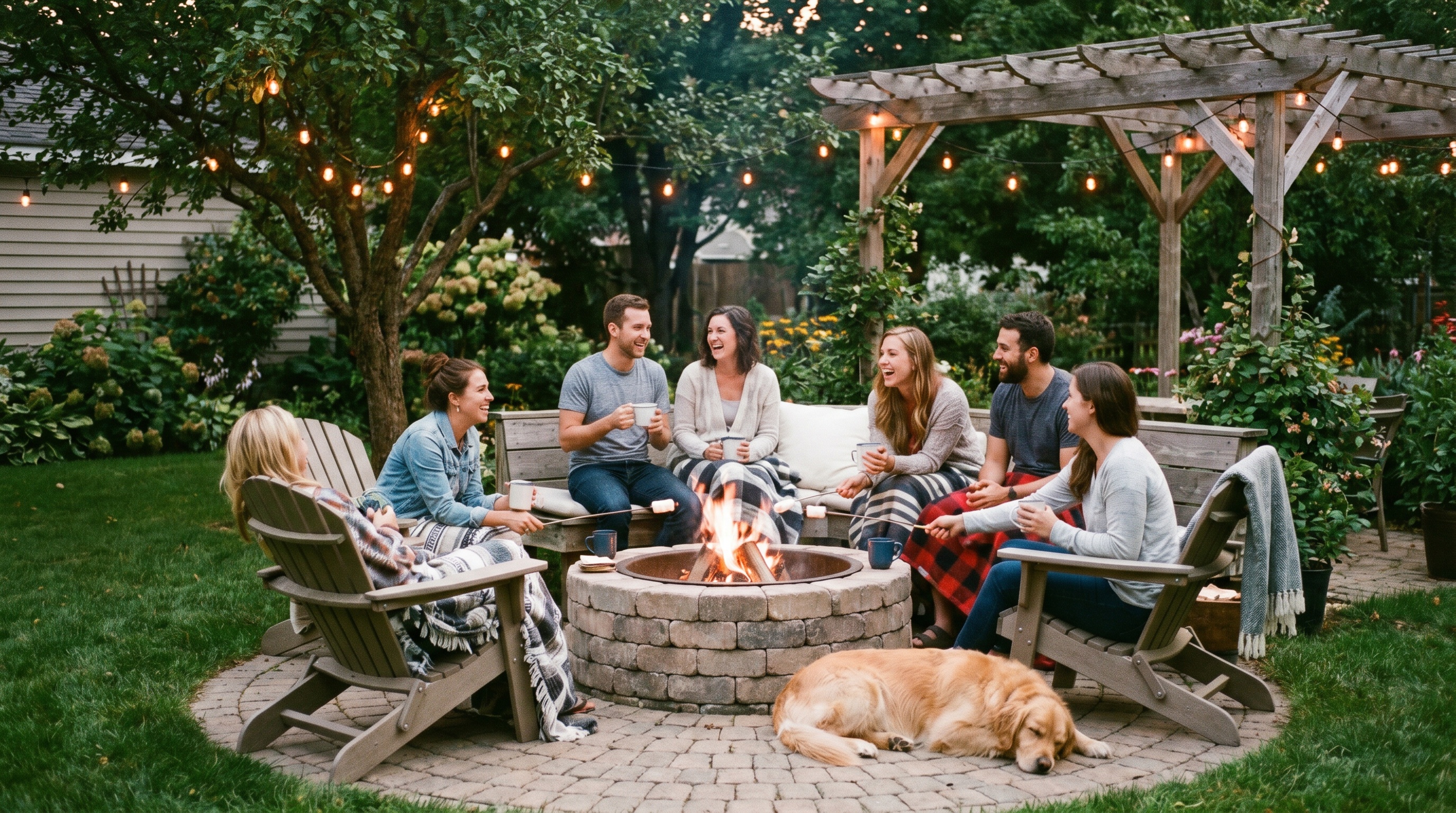
A backyard fire pit transforms any outdoor space into a cozy gathering spot where memories are made. Whether you’re roasting marshmallows with family or hosting friends for an evening under the stars, the right fire pit becomes the heart of your outdoor living area. From simple DIY stone circles to modern gas-powered tables, there’s a fire pit design that fits every budget, space, and style preference. For North Carolina homeowners, fire pits offer year-round enjoyment thanks to the state’s mild winters and pleasant spring and fall evenings.
Bottom line: Fire pits not only create warmth and ambiance but can increase your home’s value by up to 78% according to real estate professionals, making them one of the smartest outdoor investments you can make.
The key to choosing the perfect fire pit lies in understanding your options. You’ll need to consider fuel types like wood-burning for that classic crackling sound, gas for convenience, or ethanol for clean burning. Materials range from affordable cinder blocks to elegant natural stone, each offering different benefits for durability and aesthetics. In North Carolina’s humid climate, selecting weather-resistant materials becomes especially important for long-term enjoyment.
Choose the right fuel type for your lifestyle
The fuel you choose dramatically impacts your fire pit experience. Wood-burning pits offer the most authentic experience with crackling sounds and that classic campfire smell. You’ll spend less on fuel, but you’ll need to clean ash regularly and follow strict safety guidelines about wind conditions and keeping kids and pets at a safe distance. North Carolina’s abundant hardwood forests make seasoned oak, hickory, and cherry excellent local fuel choices.
Gas fire pits run on either natural gas lines or propane tanks, offering instant flames with the flip of a switch. While the initial investment is higher, you’ll save time on cleanup and maintenance. The flames won’t crackle like wood, but you get consistent heat and easy control.
Pro tip: Ethanol fire pits burn the cleanest, producing only water vapor and carbon dioxide with no smoke or ash, making them safe for covered patios and even indoor use.
Ethanol offers a middle ground with vibrant orange flames and minimal odor. Made from renewable plant materials, ethanol burns at lower temperatures than gas or wood, making it safer around children and pets that enjoy outdoor spaces while still providing adequate warmth for gathering.
Select materials that match your style and budget
Your fire pit’s material affects both appearance and performance. Metal options like cast iron and steel provide excellent heat output and durability. Cast iron retains heat longer after the fire dies down, while steel resists weather better and weighs less for easier relocation. In North Carolina’s humid summers, choosing powder-coated or stainless steel options helps prevent rust and extends your fire pit’s lifespan.
Brick fire pits offer unmatched durability with minimal maintenance required. They contain sparks effectively and develop character over time. While laying brick requires some skill, many homeowners successfully DIY brick fire pits with basic tools and patience.
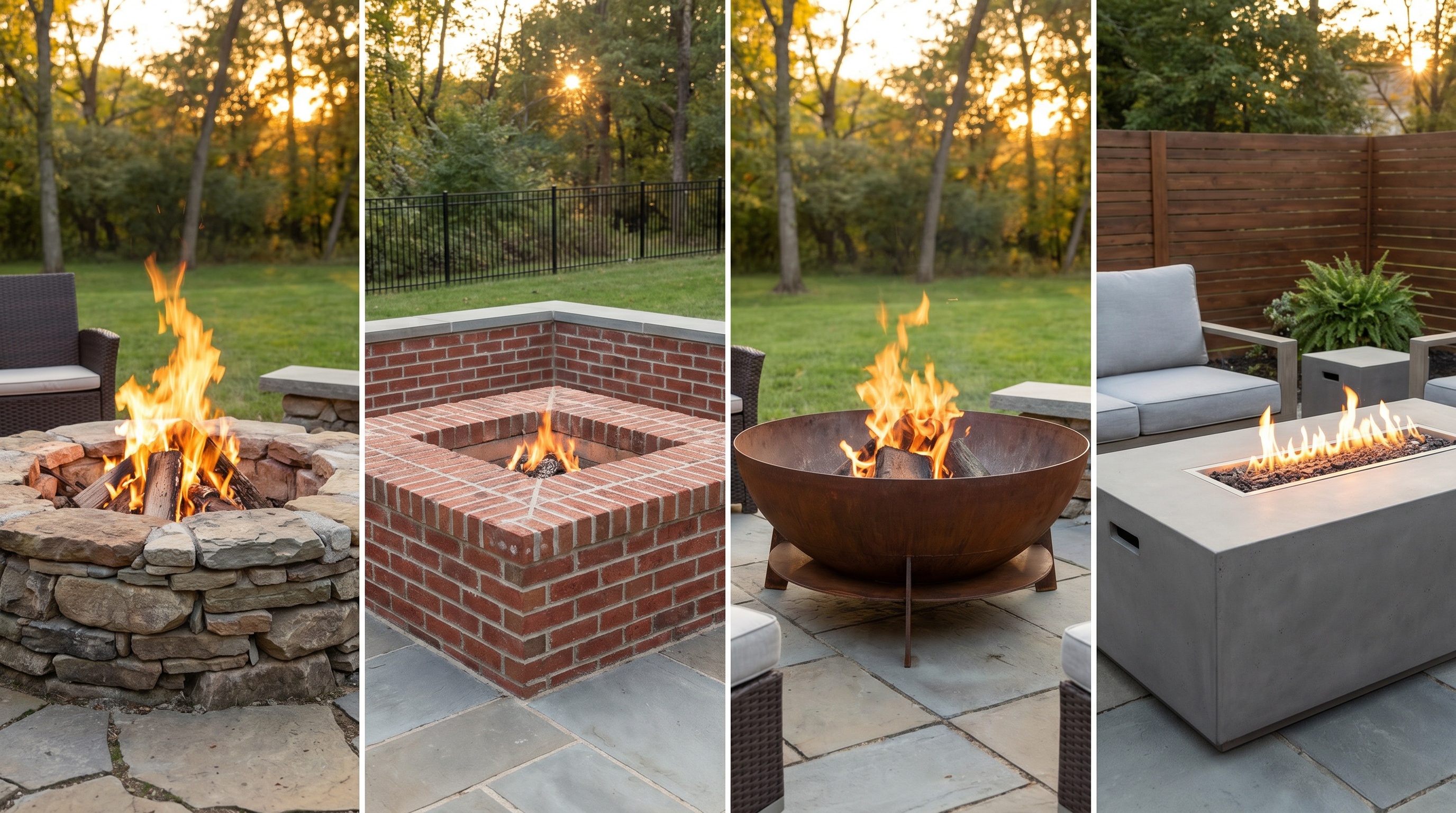
For budget-conscious builders, cinder blocks provide an affordable foundation. They’re fire-resistant and easy to work with, though prolonged exposure to high heat can cause crumbling over time. Natural stone like limestone or sandstone creates stunning focal points with unique textures and patterns, while concrete offers modern appeal with excellent water resistance. When planning your outdoor renovation, consider how your fire pit materials will complement your overall home decorating style and design trends.
Design creative layouts for maximum impact
Shape plays a crucial role in your fire pit’s visual impact and functionality. Circular fire pits create natural gathering spaces that encourage conversation, while square or rectangular designs complement modern architecture and provide more surface area for larger groups.
Consider making your fire pit the centerpiece of your outdoor space by surrounding it with built-in seating or arranging furniture in a circle. Create pathways leading to the fire pit area using pavers or stepping stones to establish it as a destination within your yard.
Smart strategy: Sunken fire pits create intimate gathering spaces that block wind naturally, keeping everyone warmer while adding visual interest to flat yards.
In-ground fire pits offer a sophisticated look and improved safety by containing the fire below ground level. They work especially well on sloped properties and can incorporate surrounding seating walls. Above-ground options provide flexibility for renters or those who prefer portable solutions—particularly useful for college students who may need to relocate their outdoor furniture seasonally.
For small spaces, consider fire tables that combine dining surfaces with warming flames, or mini fire pits made from repurposed planters that can move from ground to tabletop as needed.
Explore unique and creative fire pit concepts
Beyond traditional designs, creative fire pits can reflect your personality and interests. Upcycled options like old washing machine drums or wheelbarrows offer eco-friendly solutions with unique character. Always remove plastic components and check for rust before converting household items.
Chimineas provide excellent spark containment with their enclosed design, making them ideal for wooden decks or areas with fire restrictions. These clay or metal fire stoves concentrate heat efficiently while adding southwestern flair to your outdoor decor.
For cooking enthusiasts, BBQ fire pits with adjustable grill grates let you prepare meals while providing warmth. Install multiple cooking levels to handle different foods simultaneously, turning your fire pit into an outdoor kitchen centerpiece. If you’re considering a larger outdoor renovation project, explore kitchen upgrade and remodeling ideas that can complement your outdoor cooking space.
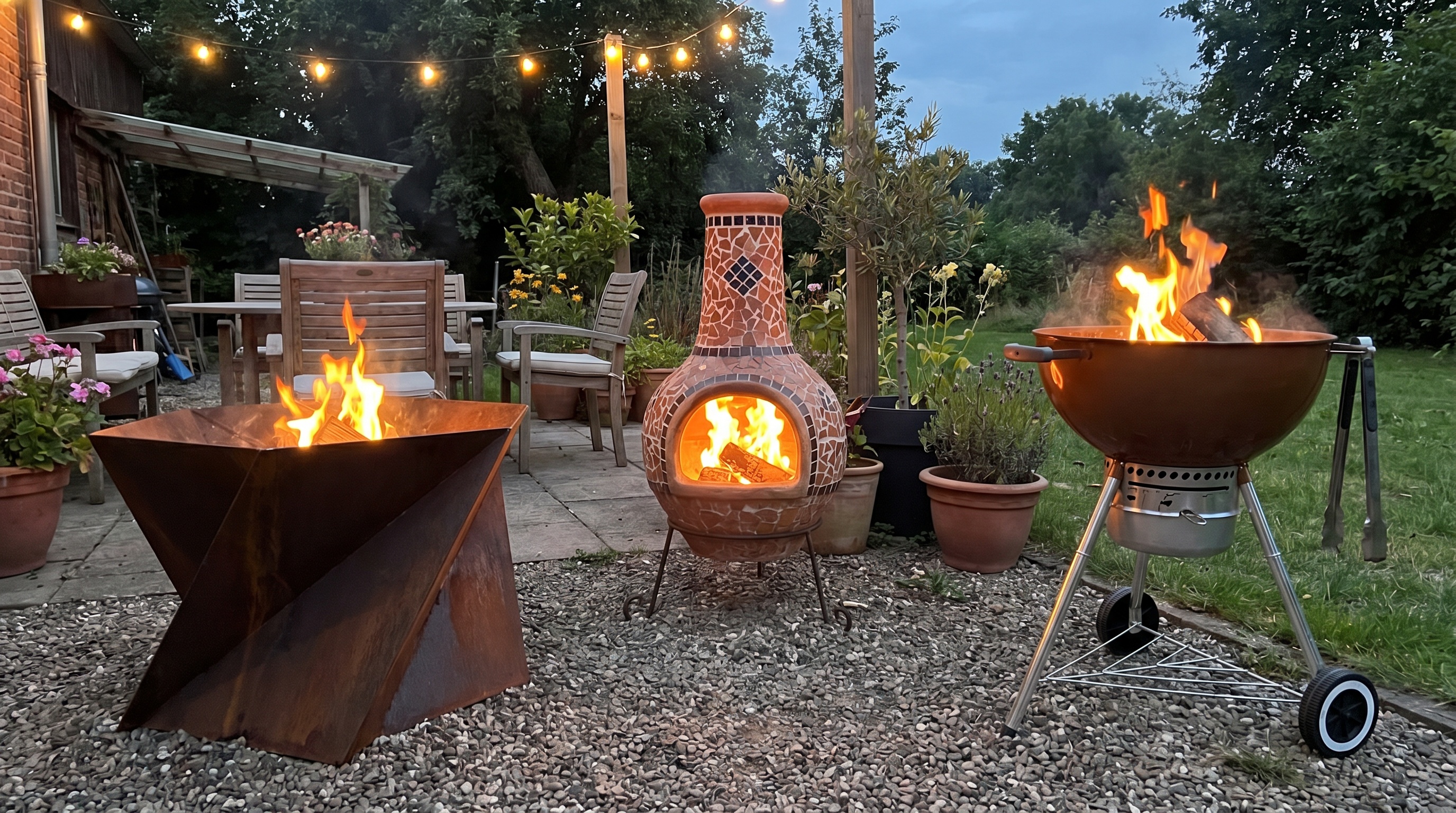
Artistic fire pits made from cut steel or sculptural designs create stunning focal points that function as outdoor art pieces. Consider incorporating your family name, favorite quotes, or nature-inspired patterns. Remember to treat metal regularly to prevent rust in outdoor conditions, especially important in North Carolina’s humid climate.
Creating the perfect backyard fire pit involves balancing your lifestyle needs with design preferences and budget constraints. Whether you choose a simple stone circle for weekend camping vibes or an elaborate gas-powered table for elegant entertaining, your fire pit will become a cherished gathering place that brings people together. Before starting your project, it’s wise to hire a qualified home remodeling contractor who can ensure proper installation and safety compliance. Start with your fuel preference, select materials that complement your outdoor space, and don’t be afraid to get creative with unique design styles that reflect your personality.
Frequently Asked Questions
What's the cheapest way to build a backyard fire pit?
The most affordable option is building a simple fire pit using cinder blocks, which typically costs under $100. You'll need about 24-30 cinder blocks arranged in a circle, some gravel for the base, and fire-safe filler like lava rocks. This DIY approach requires no special tools and can be completed in a few hours while providing excellent heat retention and spark containment.
Which fuel type is best for beginners?
Gas fire pits are ideal for beginners because they offer instant flames with the flip of a switch, require minimal cleanup, and provide consistent heat control. While the initial investment is higher than wood-burning options, gas pits eliminate the need to manage ash, store firewood, or worry about wind conditions affecting the fire's safety.
How much clearance do I need around my fire pit?
Most fire safety guidelines recommend maintaining at least 10 feet of clearance from your fire pit to any structures, overhanging branches, or combustible materials. Always check your local fire codes and HOA regulations, as requirements can vary by location. Keep a fire extinguisher or water source nearby, and ensure children and pets maintain a safe distance during use.
Can I use a fire pit on my wooden deck?
Ethanol fire pits and some gas models can be safely used on wooden decks because they burn cleanly without producing sparks or embers. However, wood-burning fire pits should never be placed directly on wooden surfaces due to fire risk. Always use a fire-resistant pad underneath any fire pit on a deck and choose enclosed designs like chimineas for better spark containment.
Set a reminder to sign up for storage!
We’ll remind you to sign up when it gets closer to your winter and summer break!
This article is part of our Dorm Room Essentials guide
You Might Also Like...

Other Articles
Want to hear from us about exclusive discounts and promotions?
Drop your email and we'll keep you up to date!
