
/
College Life
Car Service Checklist for College Road Trips
A comprehensive DIY car maintenance guide to help college students prepare their vehicles for safe road trips with 10 essential checks you can do yourself.
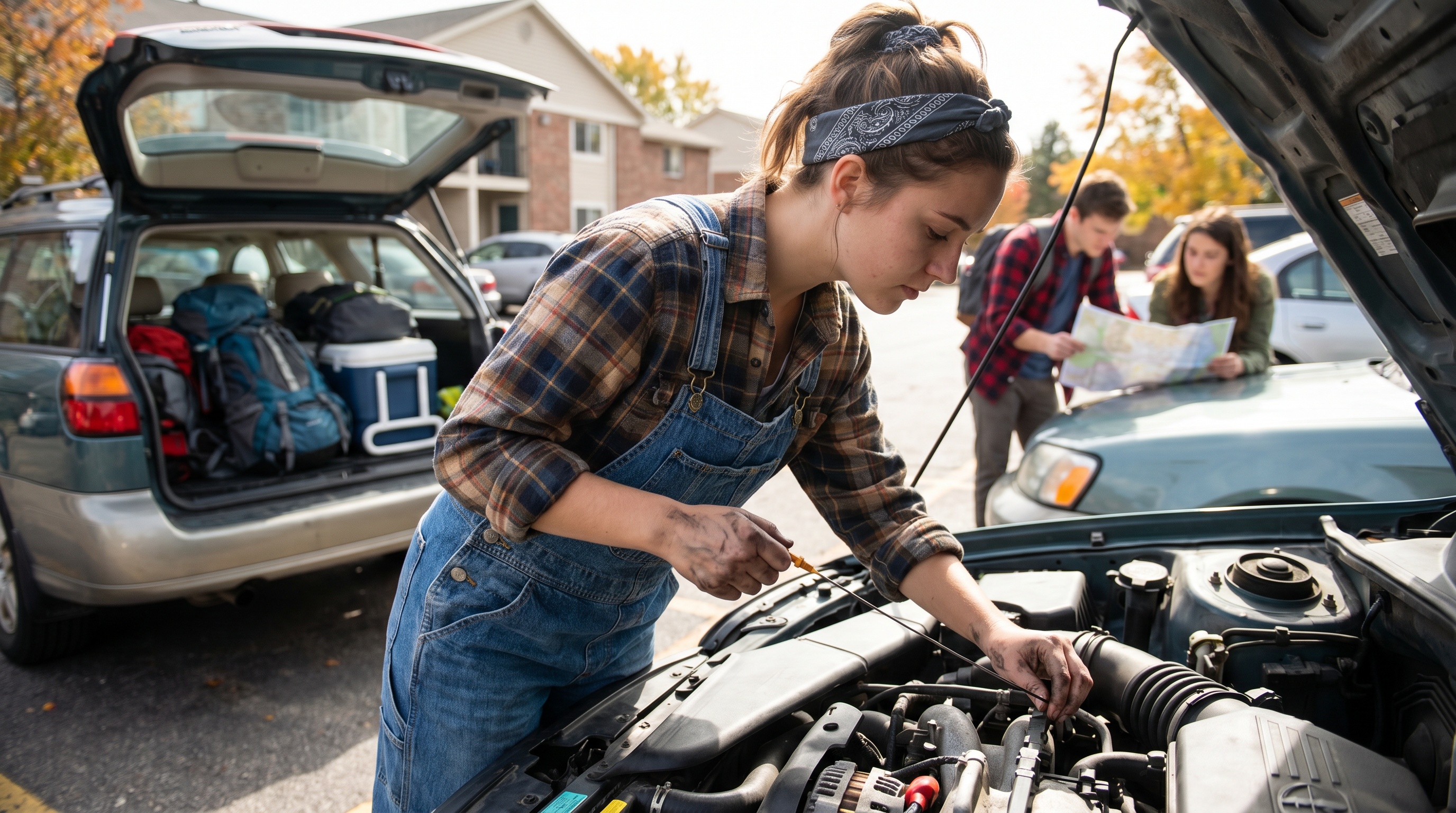
Planning a road trip back home for the holidays or heading to that music festival with friends? Nothing ruins a college adventure faster than being stranded on the side of the highway with a broken-down car. Whether you’re driving your trusty used car across state lines or taking a weekend trip to visit friends at another campus, a little preparation goes a long way.
The good news is that you don’t need to be mechanically gifted or have a garage full of tools to get your car road-ready. Most essential maintenance checks take just a few hours and can save you from costly repairs and dangerous situations. Think of it like studying for finals – a little preparation now prevents major stress later.
Bottom line: These 10 DIY maintenance checks can prevent 80% of common roadside breakdowns and take less time than binge-watching your favorite series.
Check your fluids and oil levels
Your car’s fluids are like the energy drinks that keep you going during finals week – essential for peak performance. Start with your engine oil, which is basically your car’s lifeblood. After driving for about 10 minutes to warm things up, park on level ground and locate the oil dipstick (it usually has a bright handle).
Pull out the dipstick, wipe it clean with a paper towel, reinsert it completely, then pull it out again. The oil level should sit between the minimum and maximum marks, and the oil should look relatively clean – not thick, black, or gritty. If it’s been more than 3,000 to 5,000 miles since your last oil change, or if the oil looks dark and thick, it’s time for a change.
Don’t forget about other crucial fluids like brake fluid, power steering fluid, and coolant. These reservoirs are typically located under the hood with clear minimum and maximum lines. Low brake fluid could mean worn brake pads or a leak – both serious safety issues that need immediate attention.
Pro tip: Check your transmission fluid with the engine running and the car in park. This fluid should be smooth and reddish – if you see metal flakes, head to a mechanic immediately.
Inspect tires and check pressure
Your tires are the only part of your car that actually touches the road, so they deserve some serious attention before any long drive. Proper tire pressure isn’t just about fuel efficiency (though under-inflated tires can cost you up to 10% in gas mileage) – it’s about safety.
Check your tire pressure when the tires are cold, ideally in the morning before driving. You’ll find the recommended PSI (pounds per square inch) on a sticker inside your driver’s door or in your owner’s manual. Most passenger cars need between 30-35 PSI, but don’t guess – use the exact number for your vehicle.
While you’re at it, do the penny test for tread depth. Insert a penny into the tire groove with Lincoln’s head pointing down. If you can see the top of Lincoln’s head, your tread is dangerously worn and needs replacement. Also look for uneven wear patterns, which could indicate alignment issues or improper inflation.

Test battery and electrical systems
A dead battery is one of the most common reasons college students get stranded, especially during cold weather when you’re heading home for winter break. Start with a visual inspection of your battery terminals – they should be clean and free of white, crusty corrosion.
If you see corrosion, carefully clean it off with a wire brush and baking soda solution. Most auto parts stores will test your battery for free, which is worth doing if your battery is more than three years old or if you’ve noticed slow engine cranking.
While you’re checking electrical systems, test all your lights. Have a friend help you verify that headlights, brake lights, turn signals, and hazard lights all work properly. Burned-out bulbs are not only dangerous but can also result in traffic tickets that’ll eat into your pizza budget.
Examine belts, hoses, and filters
Think of your car’s belts and hoses like the charging cables for your devices – when they fail, everything stops working. Pop the hood and visually inspect the serpentine belt for cracks, fraying, or glazing. A broken belt can leave you stranded and potentially cause expensive engine damage.
Check radiator hoses for soft spots, cracks, or bulges. These hoses carry hot coolant, and a failure can lead to overheating and a ruined engine. If any hoses feel spongy or show signs of wear, replace them before your trip.
Your air filter is easy to check and replace – it’s usually in a rectangular or circular housing near the engine. A dirty air filter reduces fuel efficiency and engine performance. If it looks like it’s been through a dust storm, swap it out for a new one. Most filters cost under $20 and take minutes to replace.
Smart strategy: Keep a basic emergency kit in your car with jumper cables, a flashlight, basic tools, and emergency contact numbers – including Storage Scholars if you need help coordinating belongings during an unexpected extended stay away from campus.
Before hitting the road for your next college adventure, remember that a little maintenance goes a long way toward ensuring safe travels. These checks might seem tedious now, but they’re much easier to handle in your driveway than on a dark highway miles from campus. Take the time to prepare your car properly, and you’ll be free to focus on what really matters – making memories with friends and getting the most out of your college experience.
At Storage Scholars, we understand that college life involves constant movement – whether you’re heading home for breaks, studying abroad, or transferring schools. Our door-to-door storage and moving services have completed more than 100,000 moves across 200+ campuses. When you’re planning your road trips and adventures, remember that we’re here to handle the logistics of storing and moving your belongings, so you can focus on the journey ahead. If you need help planning entertainment for the drive, check out these road trip games for kids and adults to keep everyone engaged during long stretches on the highway.
Once you’ve got your car road-ready and you’re planning your unique vacation spots for your summer trip, don’t forget to coordinate your dorm room situation. Whether you’re a resident assistant helping others prepare for breaks or just need to organize your own space, proper planning makes all the difference. Consider exploring dorm room ideas to make your room a home when you return from your travels, and if you need assistance with moving or storage during extended trips, look into local moving labor services to make the process smoother.
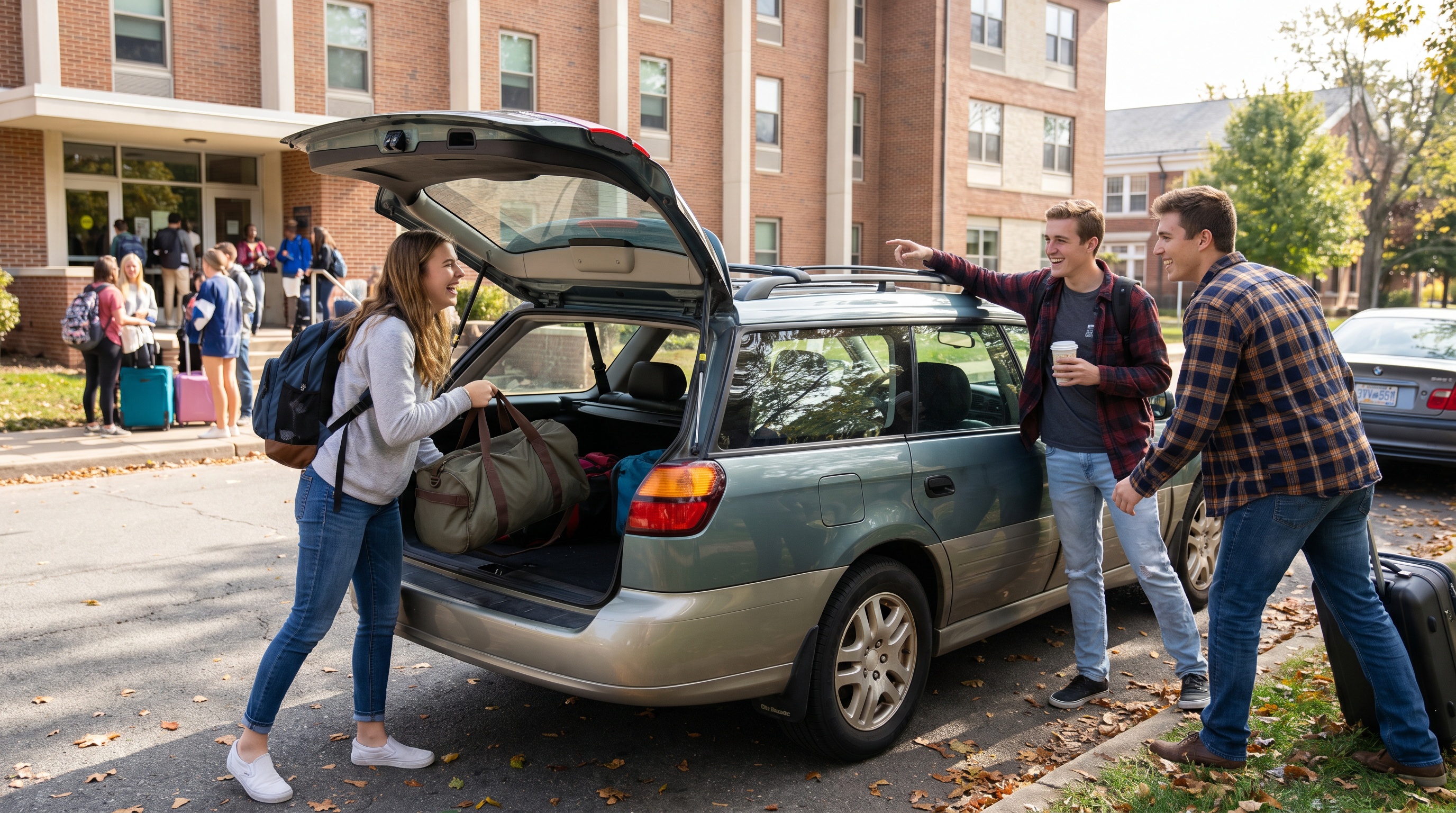
Storage Scholars offers three pre-determined storage terms, a Summer Term of up to 120 days, a Short Term of up to 30 days, and an Abroad Term of up to 270 days, and will hold items month-to-month for students studying abroad. Custom storage terms are accommodated but these three common terms are marketed and pre-priced on the online customer portal.
Students who are transferring schools or graduating can use Storage Scholars to ship or move their belongings to a new institution or first apartment, with a separate long-distance moving option available by quote.
Want to hear from us about exclusive discounts and promotions?
Drop your email and we'll keep you up to date!

