
Student Storage Services
Complete Guides
Company & News
Shipping to College
College Storage for Parents
College Move-In & Move-Out
College Packing List
Dorm Storage & Organization
College Summer Storage
Dorm Room Essentials
Sports
Personal
Lifestyle
College Life
Health and Wellness
Entreprenership
Food
Business
How to Move to Canada From the US in 2026

Moving to Canada from the US might seem straightforward since both countries share a border and similar cultures, but the reality involves navigating immigration pathways, gathering extensive documentation, and understanding customs regulations. Whether you’re pursuing better healthcare, educational opportunities, or a fresh start, Canada offers multiple routes for Americans to establish residency.
Bottom line: Most Americans can move to Canada through Express Entry (skilled workers), work permits, study permits, or family sponsorship, but you’ll need 6-12 months for documentation and $15,000-$25,000 in moving and settlement costs.
The process requires careful planning, from choosing the right immigration pathway to coordinating your physical move across the border. Let’s break down everything you need to know to make your Canadian relocation successful.
Immigration pathways for US citizens
Canada offers several immigration routes, each designed for different circumstances and qualifications. Understanding these options helps you choose the path that best fits your situation.
Express Entry serves as the primary route for skilled workers. This points-based system evaluates your age, education, work experience, and language skills. Americans typically score well due to strong English proficiency, but you’ll need a bachelor’s degree and skilled work experience to be competitive. Current processing times run 6-8 months after receiving an invitation.
Work permits provide a faster entry point if you have a Canadian job offer. Under the USMCA agreement, certain professionals like engineers, accountants, and teachers can obtain permits without lengthy labor market testing. These permits last up to three years and can lead to permanent residency through Canadian work experience.
Study permits appeal to those seeking Canadian education while building toward residency. After graduation, you can apply for a Post-Graduation Work Permit, gaining valuable Canadian experience that boosts your Express Entry score significantly. For students making this transition, having reliable storage solutions during summer breaks or study abroad periods can simplify the process significantly.
Family sponsorship works if you have a Canadian spouse, partner, or close family member. Spousal sponsorship typically processes faster than other routes, taking 12-15 months for most applications.
Pro tip: Start your immigration application 12-18 months before your intended move date, as document gathering and processing times can extend longer than expected.
Essential documentation and preparation
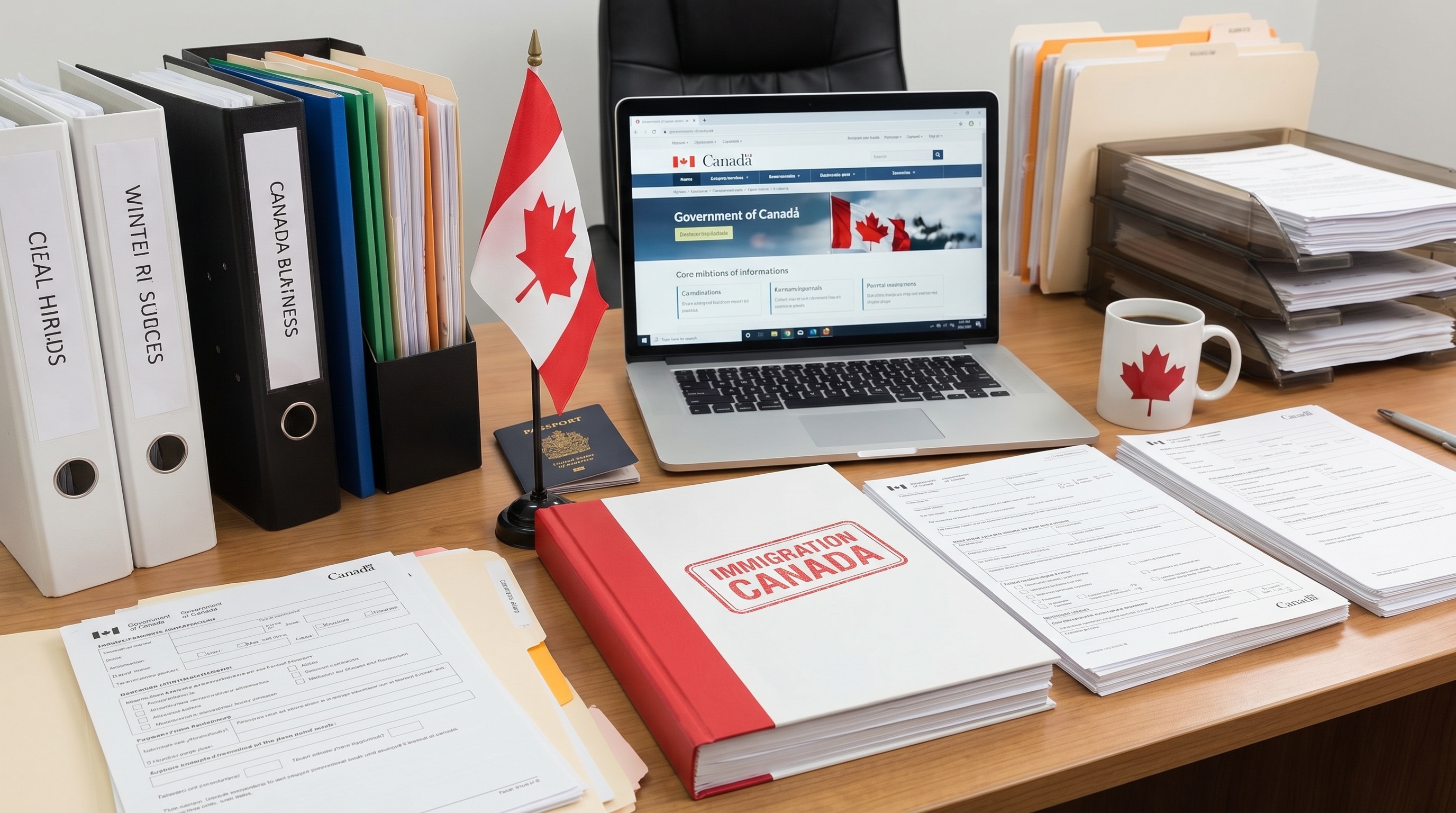
Moving to Canada requires extensive paperwork that takes months to collect properly. Starting early prevents delays and ensures you meet all requirements when application windows open.
Your passport must be valid for at least six months beyond your planned arrival. If you don’t have one, apply immediately since processing can take 6-10 weeks during busy periods.
Educational credentials need assessment through designated organizations like WES or ICAS. This process verifies your US degrees meet Canadian standards and typically takes 6-8 weeks. Request official transcripts from all institutions you attended.
Language testing proves your English proficiency through IELTS or CELPIP exams. Even native English speakers must take these tests for immigration purposes. Book your test 2-3 months in advance, as popular dates fill quickly.
Police clearance certificates from every country where you’ve lived for six months or more since age 18 are required. FBI background checks for US residents take 12-14 weeks, so request these early in your process.
Medical examinations by panel physicians approved by Immigration, Refugees and Citizenship Canada (IRCC) complete your health assessment. These exams cost $300-$500 per person and remain valid for one year.
Moving logistics and customs considerations
Physically relocating your belongings across the Canadian border involves specific regulations and strategic planning to avoid delays and extra costs.
Professional moving services handle the complexity of international moves, including customs paperwork and border crossings. Full-service movers charge $8,000-$15,000 for cross-border relocations but manage all logistics. Container services like PODS offer middle-ground options at $4,000-$8,000. For those seeking convenient, door-to-door service similar to what college students experience with specialized moving companies, professional services eliminate much of the stress associated with international relocations.
DIY moving using rental trucks saves money but requires navigating customs yourself. You’ll complete forms BSF186 and BSF186A, listing all belongings and their values in Canadian dollars. These forms must be submitted within 40 days of your arrival. Before making this decision, use a rental truck fuel calculator to estimate your transportation costs and learn how to estimate mileage fees for your cross-border journey.
Restricted items include firearms (heavily regulated), certain foods, used mattresses, and business equipment subject to duties. Prescription medications need original containers with your name, while over-the-counter drugs have quantity limits.
Vehicle importation requires safety inspections, modifications to meet Canadian standards, and duty payments on vehicles less than three years old. Most Americans find selling their US vehicle and buying in Canada more cost-effective. If you decide to bring your vehicle, explore car transportation services or learn how to tow a car with a moving truck for your cross-border move.
Pet relocation demands rabies vaccination certificates, health certificates from USDA-accredited veterinarians, and sometimes quarantine periods. Cats and dogs over three months need current rabies shots administered at least 21 days before travel.
Smart strategy: Pack a “first month” box with essentials like medications, important documents, and basic household items to ship separately for immediate access while your main shipment clears customs.
Costs and financial planning
Moving to Canada involves significant upfront expenses that many Americans underestimate. Proper budgeting prevents financial stress during your transition period.
Expense Category → Estimated Cost (USD)
- Immigration fees: $1,500-$3,500
- Moving services: $4,000-$15,000
- First-year housing: $18,000-$36,000
- Settlement funds: $13,000-$25,000
Immigration costs include application fees ($825-$1,525), language tests ($300), credential assessments ($200-$500), and medical exams ($300-$500 per person). Legal assistance adds $2,000-$5,000 but can improve application success rates.
Moving expenses vary dramatically based on your chosen method and belongings volume. Professional movers cost more but handle customs complexity, while DIY approaches require significant time investment and customs knowledge. Many families find that investing in professional services provides peace of mind during an already stressful transition, much like how students benefit from full-service moving solutions during major life changes.
Settlement funds demonstrate your ability to support yourself initially. Single applicants need approximately $13,000 CAD, while families require $19,000-$25,000 CAD in accessible funds, not including moving costs.
Housing markets in major cities like Toronto and Vancouver rival expensive US metros, with average rents exceeding $2,500 CAD monthly for one-bedroom apartments. Smaller cities like Calgary, Winnipeg, or Halifax offer more affordable options while maintaining good job markets and amenities. Before committing to a location, use a cost of living calculator to compare city costs and determine what size apartment you need for your household. You might also want to explore whether a townhouse, condo, or apartment best suits your Canadian lifestyle.
Tax implications affect your US obligations even after moving. Americans must continue filing US tax returns regardless of residence, though tax treaties prevent double taxation on most income. Consult cross-border tax professionals to structure your finances optimally.
Planning your move to Canada requires patience, organization, and realistic financial expectations. While the process involves considerable paperwork and costs, Canada’s healthcare system, educational opportunities, and quality of life make it an attractive destination for many Americans. Start your research early, choose the immigration pathway that fits your qualifications, and budget appropriately for both the move and your first year of Canadian life. Don’t forget to complete your postal change of address and use a comprehensive moving checklist to ensure nothing falls through the cracks during your transition.

Frequently Asked Questions
Can I live in Canada as an American citizen?
Yes, Americans can live in Canada through several immigration pathways including Express Entry for skilled workers, work permits with job offers, study permits, or family sponsorship. You'll need to obtain proper immigration status - tourist visas don't allow you to work or live permanently in Canada. The process typically takes 6-18 months depending on your chosen pathway.
Do I still pay US taxes after moving to Canada?
Yes, US citizens must continue filing US tax returns regardless of where they live, including Canada. However, tax treaties between the US and Canada prevent double taxation on most income. You may also need to file FBAR and FATCA forms if you have Canadian bank accounts exceeding certain thresholds. Consult a cross-border tax professional to understand your specific obligations.
How much does it cost to move to Canada from the US?
Moving to Canada typically costs $15,000-$25,000 including immigration fees ($1,500-$3,500), moving services ($4,000-$15,000), and settlement funds ($13,000-$25,000 CAD required by immigration). Additional first-year expenses include housing deposits, vehicle importation costs, and establishing new services. Professional moving services cost more but handle complex customs requirements.
How long does Express Entry take for Americans in 2026?
Express Entry processing takes 6-8 months after receiving an invitation to apply, but the entire process from profile creation to landing can take 12-18 months. Americans typically score well due to English proficiency, but you need skilled work experience and education credentials assessed. Category-based draws in 2026 prioritize healthcare workers, STEM professionals, and skilled trades, potentially shortening wait times for qualified candidates.
Set a reminder to sign up for storage!
We’ll remind you to sign up when it gets closer to your winter and summer break!
This article is part of our College Move-In & Move-Out guide
You Might Also Like...

Want to hear from us about exclusive discounts and promotions?
Drop your email and we'll keep you up to date!
