
Complete Guides
Company & News
Shipping to College
College Storage for Parents
College Move-In & Move-Out
College Packing List
Dorm Storage & Organization
College Summer Storage
Dorm Room Essentials
Sports
Personal
Lifestyle
College Life
Health and Wellness
Entreprenership
Food
Business
Is Irving TX a Good Place to Live? 15 Pros and Cons to Consider
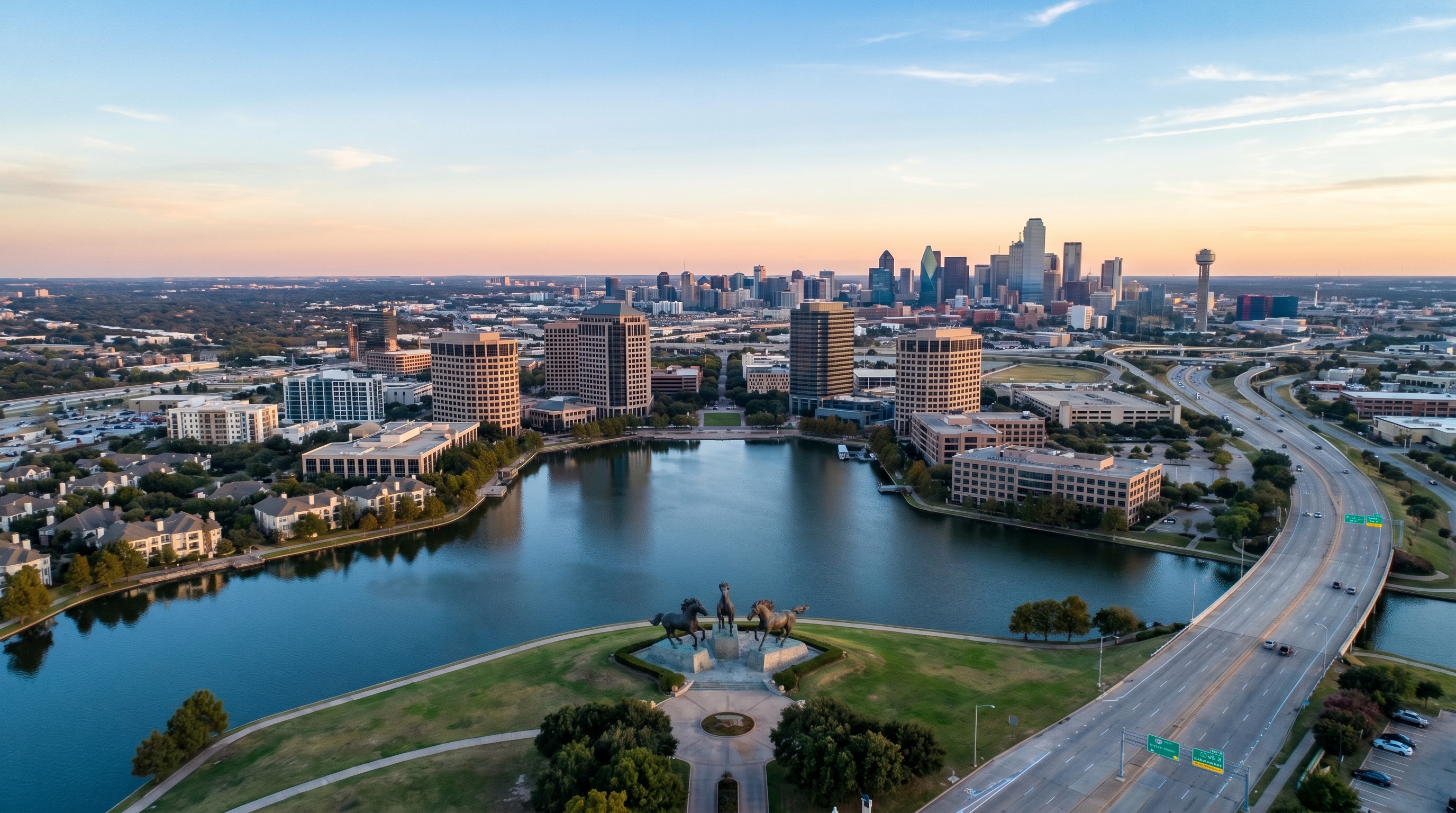
Thinking about making Irving, Texas your new home? You’re considering a city that perfectly balances suburban charm with big-city convenience. Located in the heart of the Dallas-Fort Worth metroplex, Irving offers everything from diverse dining scenes to major corporate headquarters, all while maintaining that welcoming Texas community feel.
Bottom line: Irving is an excellent choice for families and young professionals seeking affordable living near Dallas, with median home prices around $365,000 and strong job opportunities, though you’ll need to factor in hot summers and traffic congestion.
Irving attracts residents with its multicultural community, proximity to DFW International Airport, and over 80 parks covering 2,000 acres. But like any city, it comes with trade-offs. Before you start packing, let’s explore what makes Irving special and where it might fall short of your expectations.
The Irving advantage
Close proximity to Dallas opportunities
Living in Irving means you’re just 20 minutes from downtown Dallas when traffic cooperates. The redfin.com Dallas Area Rapid Transit (DART) system connects Irving to the broader metroplex, with a convenient station in Las Colinas. This proximity gives you access to Dallas’s job market, entertainment, and cultural attractions without the big-city price tag. If you’re considering the broader Dallas area, check out our comprehensive guide on living in Dallas to understand what the metroplex offers.
Diverse neighborhoods for every lifestyle
Irving’s neighborhoods are as varied as its residents. Las Colinas stands out as the entertainment hub, featuring 12,000 acres of mixed-use development with home values averaging $525,300 according to pods.com. For active families, Valley Ranch offers recreation centers, aquatic facilities, and scenic canal walkways, with homes averaging $515,300.
If you’re budget-conscious, South Irving provides affordable options with median home prices around $336,000, while Central Irving offers convenient commuter access near DFW Airport. For those exploring other affordable states to move to, Texas consistently ranks as a strong contender for value.
Pro tip: Las Colinas and Valley Ranch are master-planned communities with HOA fees, while South and Central Irving offer more housing freedom without association costs.
Strong job market and tech growth
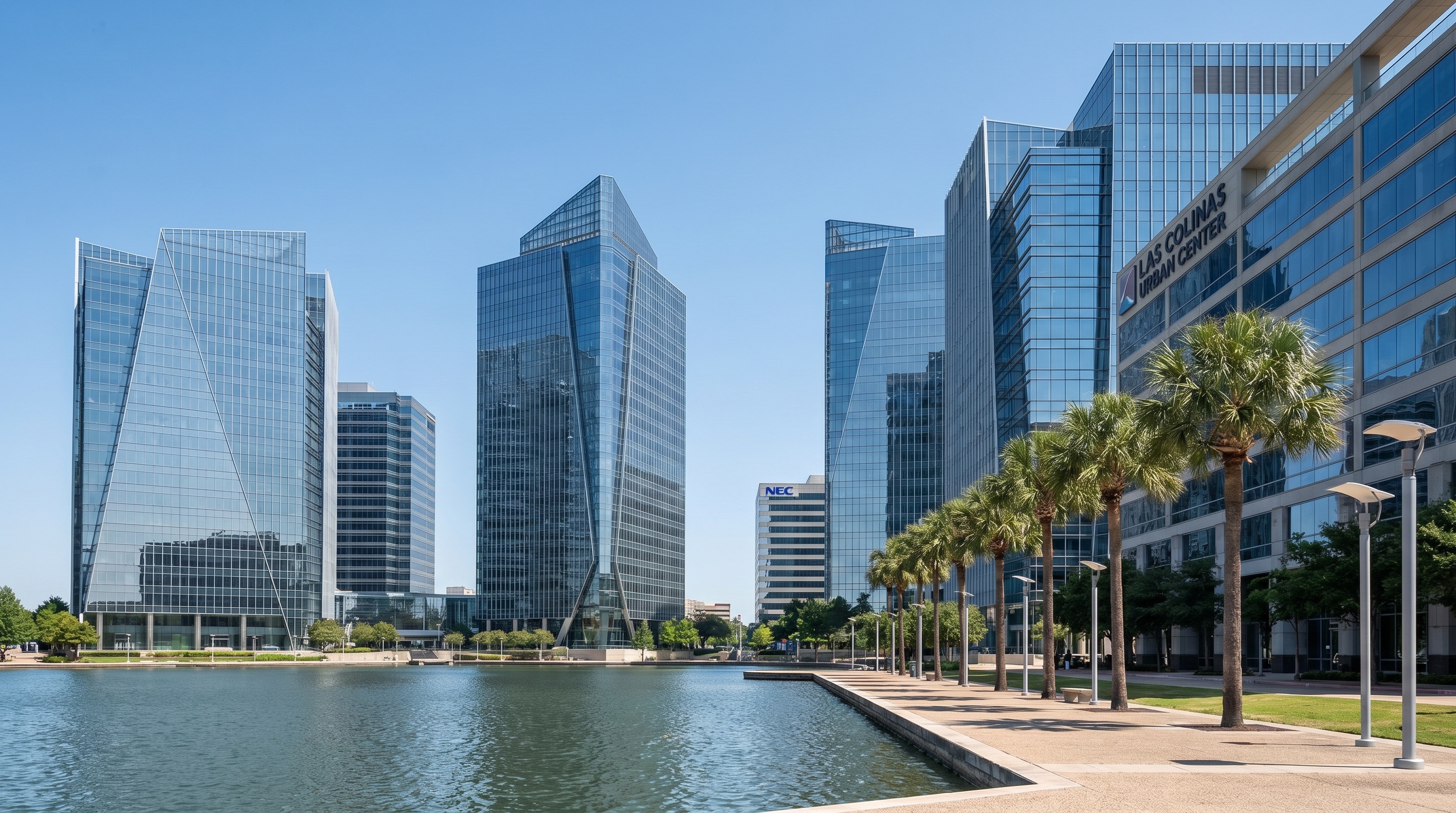
Irving quietly positions itself as a major tech hub. Companies like ExxonMobil, AT&T, and Microsoft maintain significant presences here, while newer players like Edged US are building AI-ready data centers. According to apartmentguide.com, major employers include Citibank, Nokia, and McKesson Corporation, creating diverse opportunities across finance, technology, and healthcare sectors.
The University of Dallas adds an educational component, bringing students and academic opportunities to the area. This combination of corporate headquarters and educational institutions creates a stable, growing economy that attracts college students from across the region. Many students find themselves needing convenient storage and moving solutions when transitioning between dorms, apartments, and home for breaks - a common challenge in university towns throughout Texas and beyond.
The challenges you’ll face
Traffic and transportation limitations
That 20-minute commute to Dallas? Don’t count on it during rush hour. The Texas Department of Transportation consistently ranks DFW area highways among the state’s most congested. Major routes like I-35 and I-635 experience significant delays, making your commute unpredictable.
Public transportation options remain limited despite DART service. According to apartmentguide.com, Irving scores just 29 for transit accessibility, meaning most residents rely on personal vehicles for daily transportation.
Weather extremes and natural risks
Texas weather brings both blessing and challenge. Summers regularly reach the high 90s, with some days exceeding 100°F. According to redfin.com, this intense heat drives up air conditioning costs and limits outdoor activities during peak months. If year-round weather is a priority for you, explore our list of cities with the best year-round weather for comparison.
Irving also sits in Tornado Alley, where Gulf moisture meets Rocky Mountain air masses. The pods.com area experienced an EF-1 tornado recently, causing significant property damage and reminding residents of nature’s unpredictability.
Cost considerations and housing challenges
While Irving’s cost of living nearly matches the national average at 100.2, certain expenses run higher. Property taxes average 1.69 percent, significantly above the national median of 1.02 percent, though close to Texas’s 1.67 percent average.
Budget hack: Single-family rental properties are scarce and get snatched up quickly, so consider multi-family options in Las Colinas or Valley Ranch if you’re renting.
Housing costs vary dramatically by neighborhood. According to livability.com, the median home value sits at $309,735, with rental prices ranging from $1,275 for studios to $2,100 for three-bedroom apartments.
Making your decision
Irving offers compelling advantages for families and professionals seeking suburban living with urban access. The city’s cultural diversity creates an excellent dining scene, from authentic Indian cuisine to Middle Eastern BBQ, though fine dining options remain limited compared to Dallas.
The education system impresses with three quality school districts, including highly-ranked Coppell High School and Pioneer Technology & Arts Academy. For outdoor enthusiasts, the 22-mile Campion Trail, Lake Carolyn, and five golf courses provide year-round recreation opportunities.
However, success in Irving requires realistic expectations about traffic, weather, and costs. If you value proximity to DFW Airport for frequent travel, don’t mind car-dependent living, and can handle hot summers, Irving’s blend of affordability, opportunity, and community makes it an excellent choice for your next chapter. The area’s growing student population from nearby universities also contributes to a vibrant, youthful energy that many residents appreciate. For those considering other Texas cities, our guide to living in Lubbock offers insights into another growing Texas community.

Frequently Asked Questions
Is Irving, Texas a good place to live?
Yes, Irving is an excellent choice for families and young professionals. It offers affordable living with median home prices around $365,000, strong job opportunities from major employers like ExxonMobil and AT&T, and proximity to Dallas. The city features diverse neighborhoods, over 80 parks, and a multicultural community, though you should consider hot summers and traffic congestion as potential drawbacks.
What is a good salary to live in Irving, Texas?
A good salary for living comfortably in Irving is approximately $50,000 for a single person and around $100,000 for a family. This accounts for the city's cost of living at 100.2 (slightly above national average), property taxes averaging 1.69%, and housing costs that vary significantly by neighborhood, from $336,000 in South Irving to over $525,000 in Las Colinas.
What are the best neighborhoods in Irving, TX?
The best neighborhoods depend on your lifestyle and budget. Las Colinas is the entertainment hub with mixed-use development and homes averaging $525,300. Valley Ranch offers recreation centers and scenic walkways with homes around $515,300. For budget-conscious buyers, South Irving provides affordable options with median prices around $336,000, while Central Irving offers convenient airport access for frequent travelers.
What are the main disadvantages of living in Irving, Texas?
The main disadvantages include severe traffic congestion on major routes like I-35 and I-635 during rush hour, extreme summer heat regularly exceeding 100°F, limited public transportation options (transit score of only 29), and tornado risks as Irving sits in Tornado Alley. Additionally, property taxes are higher than the national average at 1.69%, and the area experiences unpredictable weather patterns.
Set a reminder to sign up for storage!
We’ll remind you to sign up when it gets closer to your winter and summer break!
This article is part of our Storage Scholars News guide

Want to hear from us about exclusive discounts and promotions?
Drop your email and we'll keep you up to date!
