
Complete Guides
Company & News
Shipping to College
College Storage for Parents
College Move-In & Move-Out
College Packing List
Dorm Storage & Organization
College Summer Storage
Dorm Room Essentials
Sports
Personal
Lifestyle
College Life
Health and Wellness
Entreprenership
Food
Business
Moving to College in 2026? Here's Your Complete Guide

Thinking about making the big move to college? You’re not alone. College campuses across the country continue to attract millions of students with their diverse academic programs, vibrant campus life, and endless opportunities for personal growth. From prestigious universities to innovative tech programs, higher education offers opportunities that few experiences can match.
Bottom line: Moving to college requires careful planning due to logistics and costs, but the experience rewards students with incredible growth opportunities, diverse communities, and career preparation across multiple fields.
Whether you’re a recent high school graduate looking to pursue your passion, an international student seeking American education, or a transfer student chasing new opportunities, this guide will help you navigate everything from choosing the right campus to understanding college culture. Let’s dive into what makes college one of life’s most exciting transitions.
Understanding campus life and housing options
College isn’t just about academics—it’s a collection of distinct experiences, each with its own personality and opportunities. With over 70 campuses that Storage Scholars serves across the US, choosing where to live and how to manage your belongings can feel overwhelming.
For first-year students, residence halls offer excellent community-building and academic support at relatively affordable prices. Upper-class students often gravitate toward off-campus apartments and shared housing for their independence and social opportunities. If you’re willing to pay premium prices, private housing near campus provides luxury amenities with walkable access to classes. For those considering nearby options, living in Long Beach offers a beachfront oasis with a more relaxed atmosphere than urban campuses.
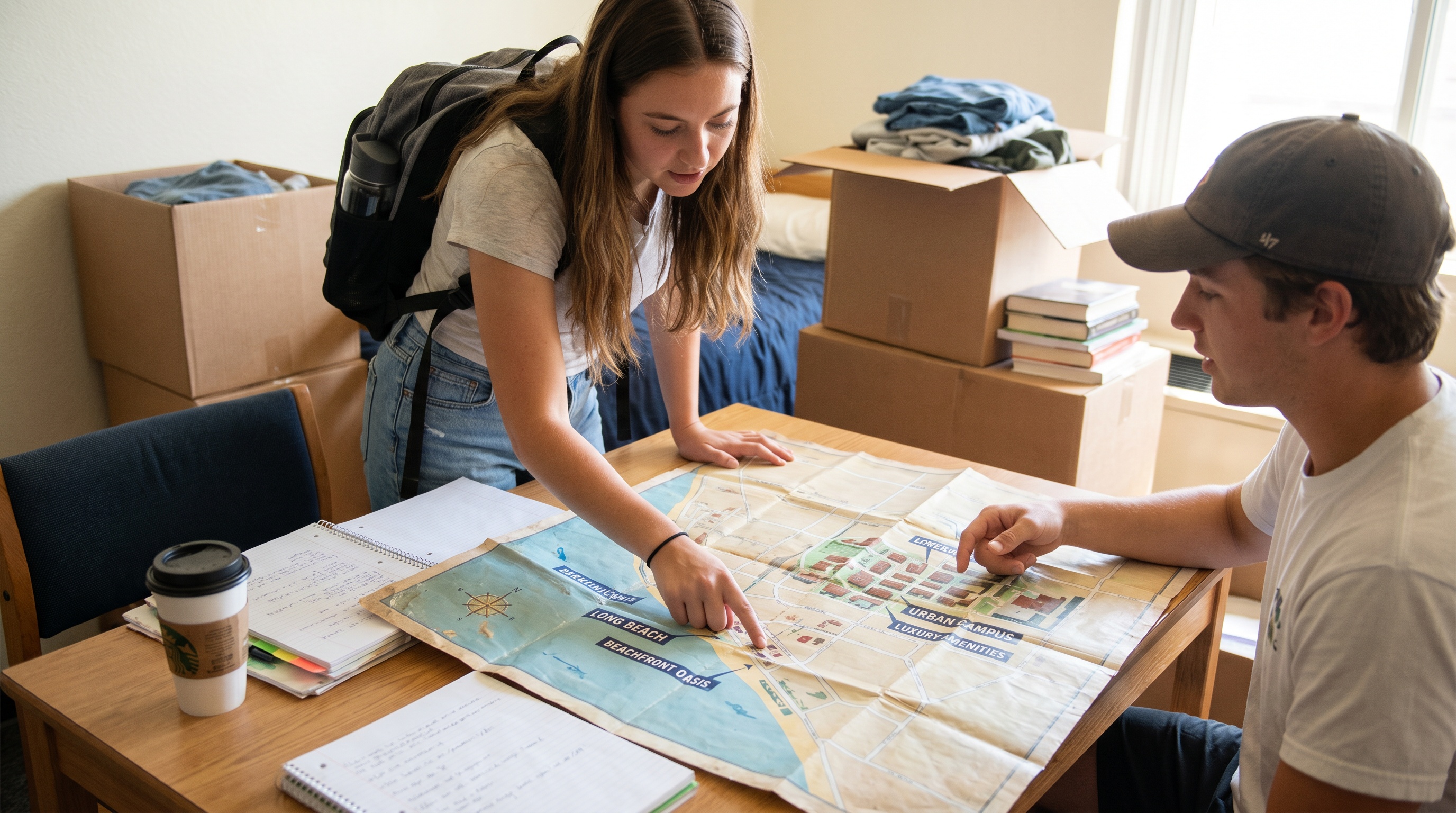
The housing market in 2026 remains competitive, with median rent for student housing ranging from $800 in smaller college towns to over $2,000 in major metropolitan areas. According to workstudycity.com, campus housing costs vary significantly, making off-campus options increasingly popular for budget-conscious students.
Pro tip: Consider storage solutions for seasonal transitions—Storage Scholars offers door-to-door service with free packing supplies, making it easy to store belongings during summer break and have them delivered directly to your new room in the fall.
Navigating college expenses and financial planning
College life extends far beyond tuition costs. Students face expenses including textbooks, technology, food, transportation, and storage solutions for seasonal moves. Major expenses like room and board, meal plans, and technology requirements have established significant impacts on student budgets.
The student economy remains dynamic, supporting over 20 million students nationwide in various academic programs. However, managing costs has emerged as a major concern, with students increasingly seeking affordable solutions for everything from housing to storage. Living expenses and education costs also offer challenges, especially given the diverse needs of domestic and international students.
According to recent data from xmetr.com, average student budgets range from $1,500 to $3,000 monthly including all expenses, though this varies significantly by location and lifestyle choices. Many students combine financial aid with part-time work and cost-saving strategies.
Smart planning remains crucial in managing college expenses effectively. Storage solutions, shared housing, and student discounts provide valuable opportunities to reduce costs while maintaining quality of life.
Managing costs and budgeting for college life
Living as a college student requires serious financial planning. Education costs rank among America’s most significant investments, with expenses running significantly higher than previous generations according to workstudycity.com. If you’re comparing different regions, understanding the pros and cons of living in Philadelphia or what to know about living in Dallas can provide helpful perspective on how different college locations compare.
Expense Category → Monthly Cost Range
- Housing: $600 - $1,800
- Meal Plan: $300 - $600
- Textbooks: $100 - $300
- Transportation: $50 - $200
- Storage Solutions: $50 - $150
Beyond housing, you’ll need to budget for seasonal storage—many students struggle with what to do with belongings during summer break. Storage Scholars simplifies this with door-to-door pickup, secure climate-controlled storage, and direct delivery to your new room, eliminating the hassle and cost of traditional storage solutions.
Budget hack: Many students share storage costs with roommates—Storage Scholars’ student-friendly pricing makes it affordable to store everything from furniture to seasonal clothing, and our student-run staff understands exactly what college students need.
The good news? College campuses offer diverse dining options and student discounts that help stretch your budget. Campus meal plans, student organizations, and local businesses often provide affordable alternatives to expensive off-campus dining.
Embracing the college lifestyle and culture
College life rewards those who embrace its unique rhythm and opportunities. Campus culture shouldn’t fool you—students work hard academically, but they also prioritize personal growth, social connections, and extracurricular activities.
With year-round academic calendars, seasonal transitions become part of college life. Storage Scholars serves over 70 campuses, helping students navigate the challenge of moving belongings between dorms, apartments, and home during breaks. Our climate-controlled facilities protect everything from electronics to clothing, while our door-to-door service means you never have to worry about transportation.

Campus navigation requires strategy across sprawling university grounds. While campus shuttle systems have improved with modern technology and route optimization, most students still walk or bike significant distances. Learning building names and understanding class schedules becomes essential. Peak hours run during class changes, so many students plan their routes accordingly.
The social scene varies dramatically by campus and region. Large state universities offer vibrant social opportunities, while smaller colleges provide quieter, more intimate communities. Building your network takes time on any campus, but college diversity means you’ll find your community eventually. For those considering different campus environments, moving to Harlem offers insight into urban college experiences.
Moving to college in 2026 means joining one of America’s most transformative experiences. Yes, it requires careful planning and budgeting, but for those willing to navigate its challenges, college offers unmatched opportunities for personal growth, academic achievement, and lifelong connections. Take time to research housing options thoroughly, budget for all expenses including storage solutions, and prepare for an experience that rewards preparation with incredible memories. Whether you’re pursuing academic dreams or professional preparation, college provides the foundation for whatever future you want to build.
Frequently Asked Questions
How much money do I need to move to college in 2026?
You should budget at least $3,000-5,000 for your initial move to college, including first semester housing deposits, moving expenses, textbooks, and 1-2 months of living expenses as a safety net. Monthly living costs typically range from $1,200-2,500 depending on your campus and lifestyle choices. Factor in costs for housing ($600-1,800), meal plans ($300-600), and storage solutions ($50-150 for seasonal storage with services like Storage Scholars).
What are the best housing options for college students?
Residence halls are top choices for first-year students, offering community building, academic support, and convenient campus access. Off-campus apartments provide independence and often better value for upper-class students. Shared housing with roommates helps reduce costs significantly. Consider proximity to classes, campus resources, and storage needs when choosing—many students use Storage Scholars' door-to-door service to easily transition between housing options each semester.
How can I make my new dorm room feel like home quickly after moving?
Start by maximizing your space with multi-functional furniture and storage solutions. Add personal touches through photos, posters, and items from home that reflect your personality. Incorporate comfortable bedding, good lighting, and plants if allowed to create a welcoming atmosphere. Keep your space organized—Storage Scholars can help store seasonal items and extra belongings, preventing clutter that makes small dorm rooms feel cramped.
Do I need a car for college?
Most college students don't need cars on campus, as universities provide shuttle systems, walkable campuses, and bike-friendly infrastructure. Many campuses restrict or charge significant fees for student parking. If you live off-campus or need transportation for internships and jobs, a car becomes more valuable. For moving belongings seasonally, services like Storage Scholars eliminate the need for personal transportation with door-to-door pickup and delivery across over 70 campuses nationwide.
Set a reminder to sign up for storage!
We’ll remind you to sign up when it gets closer to your winter and summer break!
This article is part of our Storage Scholars News guide
You Might Also Like...

Want to hear from us about exclusive discounts and promotions?
Drop your email and we'll keep you up to date!
