
Student Storage Services
Complete Guides
Company & News
Shipping to College
College Storage for Parents
College Move-In & Move-Out
College Packing List
Dorm Storage & Organization
College Summer Storage
Dorm Room Essentials
Sports
Personal
Lifestyle
College Life
Health and Wellness
Entreprenership
Food
Business
Student Storage Guide: Ultimate list for Studying Abroad

Studying abroad is one of the most exciting experiences a college student can have. Not only does it provide unique cultural immersion, but it also provides an incredible opportunity for exploration and growth. But before you jet off to your dream destination, there's something important that every student should remember: packing and storage! Whether preparing for your semester-long stay in Europe or packing up for a summer abroad, figuring out what items you should take and where to store the ones you can't carry along can be daunting.
We created this ultimate student storage guide to help make your experience easier; here, we have compiled the best tips on what to bring and leave behind when studying abroad and some other essential tips for you. So if you're feeling overwhelmed trying to figure out how much (or how little) luggage going overseas will require, our guide has got you covered!
1. Don't forget to check with your university
Before you start packing up your life into boxes and suitcases, check with your university about their regulations for studying abroad. Some universities have specific guidelines about what you can and cannot bring with you, so it's always best to err on the side of caution and check before you pack.
.jpeg)
2. Get your affairs in order
Studying abroad is not really something you can decide on a whim. Aside from applying for the program, you will also need to get a passport. Passports take anywhere from 8 to 11 weeks to obtain, so you must start the process as soon as possible. Depending on how long your program is and which country you'll be living in, you could also be required to obtain a visa. Check with your university on whether or not you will need a visa. Also, you will need a valid and non-expired ID and likely a birth certificate. Each of these documents is equally important as the next and could but significant delays in getting through customs.
Finally, you will need to book your plane tickets. Most airlines have the best deals about three months before departure, so that is an excellent time to start looking.
Get your documents in order, keep them easily accessible while traveling, and have digital copies available as a backup in case they get misplaced while abroad.
3. Make a list... and check it twice
Once you know what you're allowed to bring, it's time to make a packing list. This may seem like an obvious step, but it's essential to be as detailed as possible when packing for an extended time in a foreign country. Make two columns, "what to bring" and "what to put in storage," to keep yourself organized. You don't want to forget something essential or take up space with unnecessary items.
.jpeg)
4. What to bring with you
If ever the saying "less is more" rang true, it's right now. That's because the less you bring abroad, the more enjoyable your trip will be. It won't be fun to lug suitcases and bags around a foreign city while jet-lagged. Pack enough clothing for two weeks (vacuum-sealed bags are a lifesaver!), a pair of comfortable shoes, your laptop, chargers and adapters, medicines, and important documents. Consider the season and climate where you are traveling. Winter or summer gear may be necessary during your stay.
You'll also want to convert some of your cash into the local currency ahead of time to have some money on hand when you arrive.
When packing toiletries, pack small! Travel-size bottles will get you through a few days until you get settled and can get to a store for more. You can also purchase school supplies like notebooks and pens after arriving.
5. Keep your valuables on you
When traveling, it's essential to keep your valuables close to you. This means carrying things like your passport, wallet, and phone on you whenever possible and storing other items like jewelry and laptops in a safe place. Be intentional with how you carry your valuables. Consider investing in a travel bag with secret zipper pockets or extra storage, and always be alert for situations that may cause you to lose your valuables. Airports and traveling are common places for distractions to take place, so keep things safe where they are less likely to fall out, get lost, or be stolen. If you'll be traveling with any valuable items, it's also a good idea to get travel insurance to protect yourself in case of loss or damage.
6. What to put into storage
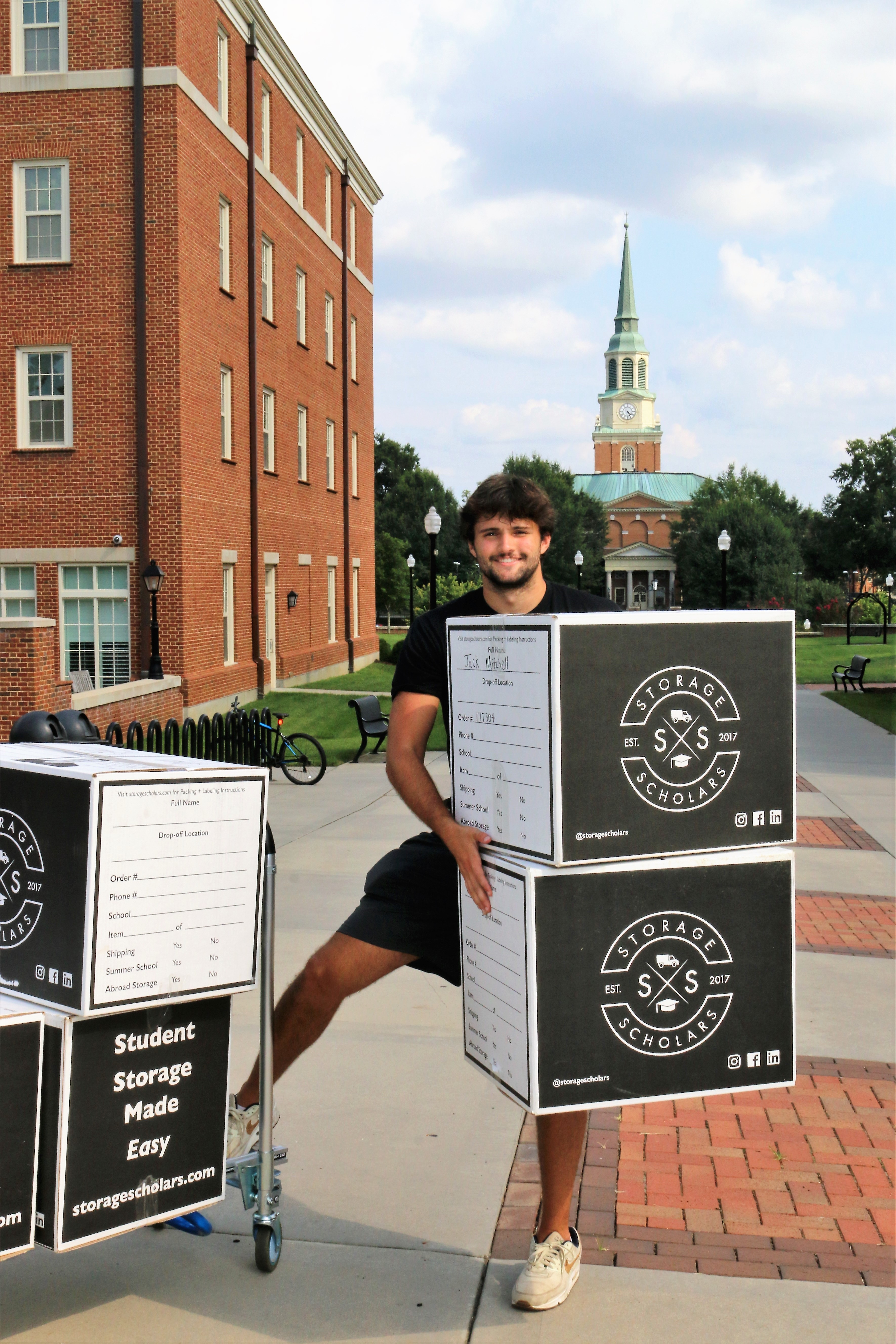
While you are abroad, you'll want peace of mind that the belongings you left behind are safe. As trustworthy as your roommates might be, you can't expect them to keep an eye on everything that belongs to you. It really isn't fair to ask this of them, either. So it's a good idea to put your belongings into a safe storage unit while you're gone. Electronics and large appliances, books, furniture, clothing, and personal items should be boxed up and stored away. Bicycles, scooters, instruments, or sports equipment are safer when locked up.
Storage Scholars is the perfect solution for students who are studying abroad! All you need to do is pack up what you want us to store, and we'll come and pick it up. We'll hold it for four months, or longer if needed, and then deliver it right to your door when you get back! Our storage facilities are safe, climate controlled, and close to campus. It is an easy and convenient solution for a stress-free study abroad experience.
7. Think about shipping ahead of time
If you're planning on bringing more oversized items (like a bike or winter coat), consider shipping them ahead of time. This can be more expensive than packing them in your suitcase, but it will save you the hassle of lugging them around the airport or train station. Additionally, many shipping companies offer insurance if your items are lost or damaged in transit. Pair up with another student studying abroad and consider shipping your items together to save some money.
8. Label everything!
From luggage to storage, labeling is a quick task that can save you a big headache. For luggage tags, stickers, or whatever your medium may be, include all pertinent information: name, phone number, country (both US and abroad), and address. This is especially important if you'll be shipping any items ahead of time. That way, if anything gets lost in transit, it will be easier to return it to you. When in storage, labeling can help movers know that you're abroad and keep it safely organized with other students abroad. Whatever you do, don't overlook this step. Storage Scholars boxes come with built-in boxes so, it's one less thing you'll have to worry about.
.jpeg)
9. Pack light... but not too light!
One final tip: when in doubt, pack light! It's better to err on the side of caution when packing for an extended trip abroad—you can always buy things you need once you arrive at your destination.
Remember to save some room in your luggage and bags because, chances are, you'll be returning with some souvenirs and more than what you came with.
If ever you worry that you need to pack more, remember plenty of people pack just a backpack to travel, so a suitcase for a semester is plenty!
Final Thoughts
Congratulations on taking the next step in your academic career and deciding to study abroad! Remember your student storage and packing needs as you plan for this fantastic journey. Our comprehensive guide provides everything you need to know about how to pack and store your belongings while studying overseas. Following our tips, you can rest assured that your things will be safe and sound until you return home. Ready to get started? Visit our website or give us a call today to reserve your student storage spot while overseas!
Frequently Asked Questions
What should I do with my dorm stuff when studying abroad?
You have three realistic options: ship everything home (expensive and time-consuming), leave it with a friend who has space (risky and inconvenient for them), or use a full-service student storage company. Most study-abroad students are gone for a semester or full year, which makes storage the smartest move—you keep your entire dorm setup intact and avoid rebuying everything when you return. At Storage Scholars, we pick up directly from your dorm before you leave and deliver back when you're ready, so you don't have to coordinate anything while overseas.
How much does it cost to store belongings while studying abroad?
For a full semester abroad (4-5 months), full-service student storage typically runs $300-$600 depending on volume. A full academic year of storage costs more, but most companies offer discounted rates for extended periods. Compare that to the cost of shipping everything home and back—round-trip shipping for 8-10 boxes can easily exceed $600-$800. Factor in the cost of rebuying dorm essentials if you don't store, and storage usually comes out ahead financially.
How far in advance should I arrange storage before going abroad?
Start planning at least 4-6 weeks before your departure date. If you're leaving at the end of fall semester for spring abroad, that means booking in October or early November. Storage services fill up quickly around semester transitions, and you'll want time to receive packing materials and pack without rushing. Storage Scholars ships free boxes and packing supplies to your dorm in advance, but you need lead time to sort and pack your belongings thoughtfully.
What items should I store vs. take abroad with me?
Store everything that makes your dorm livable: bedding, mini fridge, microwave, desk accessories, decorations, and most of your clothing. Take only what you'll need abroad—typically two suitcases of versatile clothing, your laptop, essential toiletries, and important documents like your passport and visa paperwork. Leave winter gear in storage if you're heading somewhere warm. The goal is to travel light and come back to a fully furnished room without starting over.
Can I access my stored items while I'm studying abroad?
With most full-service storage companies, your items are sealed and stored until your scheduled delivery date—you won't have drop-in access like a self-storage unit. If you think you might need something mid-semester, keep it with you or ship it separately. That said, if you realize you need an item, many companies including Storage Scholars can arrange to ship a specific box to you for an additional fee. Plan carefully before you pack so you don't store something you'll need overseas.
Set a reminder to sign up for storage!
We’ll remind you to sign up when it gets closer to your winter and summer break!
This article is part of our College Summer Storage guide
You Might Also Like...

Other Articles
Want to hear from us about exclusive discounts and promotions?
Drop your email and we'll keep you up to date!
