
Complete Guides
Company & News
Shipping to College
College Storage for Parents
College Move-In & Move-Out
College Packing List
Dorm Storage & Organization
College Summer Storage
Dorm Room Essentials
Sports
Personal
Lifestyle
College Life
Health and Wellness
Entreprenership
Food
Business
Ultimate Guide to College Life: Costs, Campus Living and Moving Tips for Students
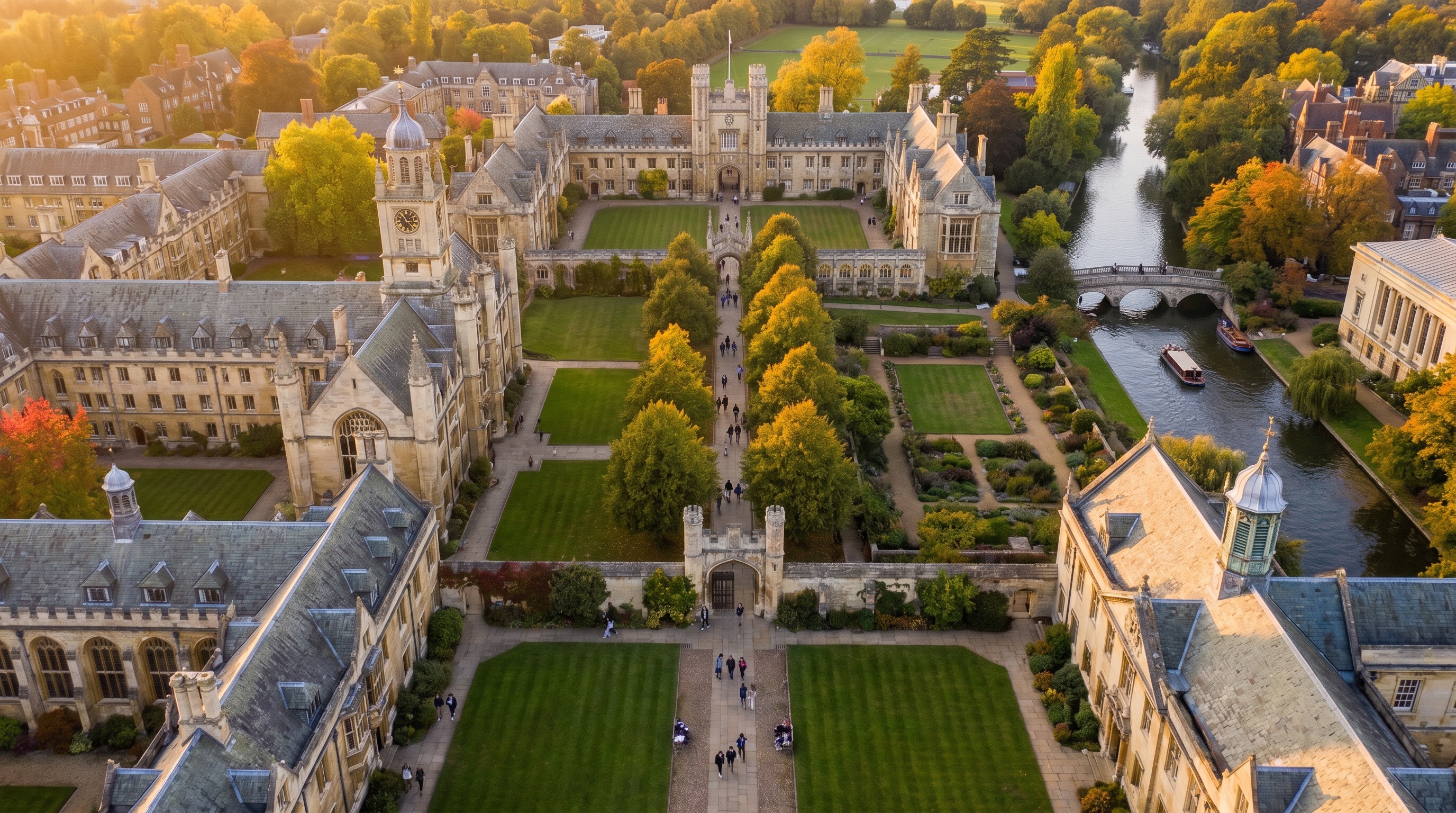
Thinking about making the transition to college life? You’re looking at one of the most exciting and transformative periods of your life, where students across 70+ campuses nationwide enjoy diverse academic programs, vibrant campus communities, and endless growth opportunities. But college living comes with costs and logistics that might surprise you.
Bottom line: College offers an exceptional opportunity for personal and academic growth with strong career preparation and diverse experiences, but expect to budget carefully for tuition, housing, and living expenses, with housing costs often taking the biggest bite out of your budget.
College campuses consistently rank as some of North America’s most diverse and safe environments for young adults. With students from all 50 states and countries worldwide, you’ll find yourself in one of the world’s most multicultural learning environments. Most campuses maintain excellent safety records with dedicated campus security and support systems designed specifically for student success.
What makes college life special in 2026
College life’s appeal goes far beyond iconic campus landmarks and bustling student centers. Universities have evolved into comprehensive communities that prepare students for success in an increasingly competitive job market, with career services, internship programs, and networking opportunities that extend well beyond graduation.
The academic calendar tells a story of structured semesters with built-in breaks. Fall semesters typically run from late August through December, while spring semesters span January through May. Summers offer opportunities for internships, study abroad programs, or well-deserved breaks. Many students find the rhythm challenging initially but appreciate the balance of intense learning periods with recovery time.
What really sets college life apart is the diversity of campus experiences. From large research universities with 40,000+ students to intimate liberal arts colleges with close-knit communities, each institution offers its own personality and opportunities for growth.
Pro tip: Campus transportation systems connect most major buildings and residence halls, but budget extra time during class changes when walkways get crowded.
Breaking down college costs and budgeting
Let’s talk numbers because college isn’t cheap. The average annual cost for tuition, room, and board at four-year institutions continues to rise, but here’s some perspective: investing in education provides long-term career benefits that typically outweigh the initial costs.
According to recent data, students need to budget carefully for both direct and indirect costs. Here’s how expenses typically break down for a full-time student:
- Tuition and fees: Varies significantly by institution type
- Room and board: $8,000-15,000 annually
- Books and supplies: $1,200-1,500 per year
- Personal expenses and transportation: $2,000-3,000
Transportation costs vary significantly depending on whether you bring a car to campus. Many students rely on campus shuttles, bike sharing programs, or ride-sharing services. Parking permits can cost $200-800 annually at many institutions.
The good news? Financial aid, scholarships, and work-study programs help offset costs for many students. Many students also reduce expenses by choosing meal plans wisely, buying used textbooks, and taking advantage of free campus activities and resources.
Best campus areas for every student lifestyle
Your housing choice dramatically impacts your college experience. Each option offers distinct advantages depending on your preferences and academic goals.
For freshmen: Traditional residence halls provide the classic college experience with built-in community, resident advisors, and proximity to dining halls and academic buildings. These dorms offer structured environments perfect for students transitioning from home to independent living. Many universities require first-year students to live on campus to build connections and campus engagement.
For upperclassmen: Off-campus apartments and student housing complexes offer more independence and often better value for money. Areas near campus typically feature student-friendly amenities like shuttle services, study spaces, and social areas. Greek housing provides another option for students involved in fraternity or sorority life.
For graduate students: Many universities offer graduate-specific housing that provides quieter environments conducive to advanced study and research. These communities often feature apartment-style living with kitchen facilities and study spaces designed for older students with different lifestyle needs.
Smart strategy: Visit potential housing options during different times of day and week to get a true feel for noise levels, commute times to classes, and access to campus resources.
For international students: Many campuses offer specialized housing programs for international students, providing cultural support and community building opportunities. These programs often include orientation activities and peer mentoring to help with the transition to American college life.
Campus entertainment and activities
College campuses never lack for things to do, whether you’re into sports, arts, academics, or social activities. Most universities host Division I, II, or III athletic programs with football, basketball, and other sports providing school spirit and community engagement throughout the year.
The campus arts scene rivals professional venues in many cases. You can attend student theater productions, art exhibitions, musical performances, and guest lectures by renowned speakers. Many campuses also host annual festivals, homecoming celebrations, and cultural events that bring the entire community together.
For budget-conscious students, campuses offer countless free activities. Student organizations host events, intramural sports leagues provide recreational competition, and campus recreation centers offer fitness facilities and group classes. Libraries provide not just study spaces but often host workshops, book clubs, and social events.
Campus nightlife varies by institution but typically includes student union activities, residence hall programming, and off-campus venues that cater to college students. Many campuses also offer substance-free social options and late-night programming for students who prefer alternative entertainment.
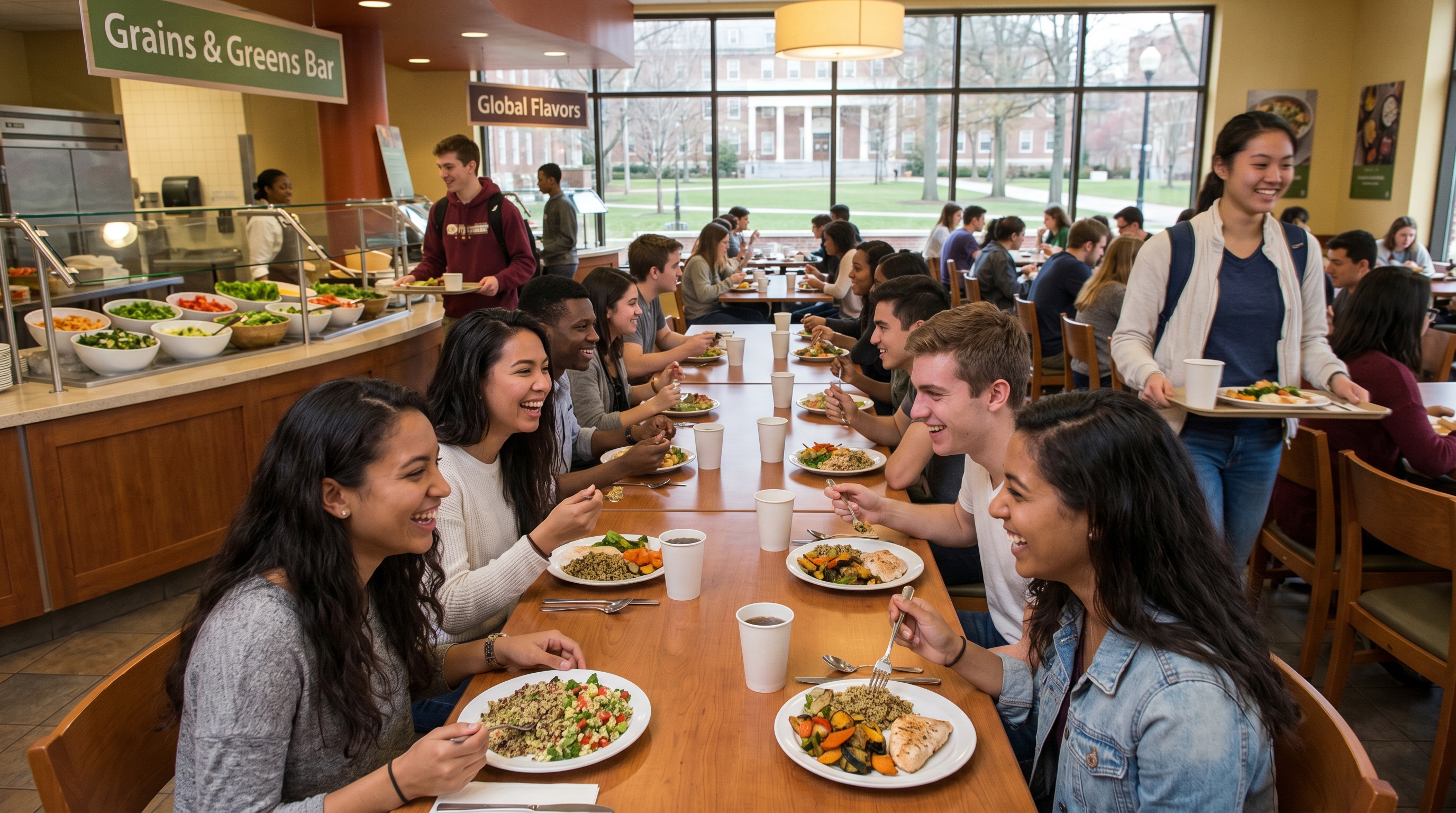
Moving to and from college doesn’t have to overwhelm your budget or schedule. Whether you’re a freshman heading to your first semester or a graduating senior preparing for post-college life, several moving options can fit your needs and timeline.
Full-service movers handle everything from packing to unpacking but represent the most expensive option for most college budgets. DIY truck rentals save money upfront but require physical labor and careful planning for additional costs like fuel, insurance, and lodging.
For a middle-ground approach, student-focused moving services offer flexibility without the stress. Storage Scholars specializes in college student moves, providing door-to-door pickup and delivery services designed specifically for dorm rooms, apartments, and student housing. With operations across 70+ college campuses nationwide, they understand the unique challenges of student moves, including tight timelines, limited storage space, and budget constraints.
This service particularly benefits students managing summer storage between academic years, study abroad transitions, or graduation relocations. Storage Scholars has facilitated over 40,000 student moves, offering services like free packing supplies, climate-controlled storage, and flexible pickup and delivery scheduling that works around academic calendars.
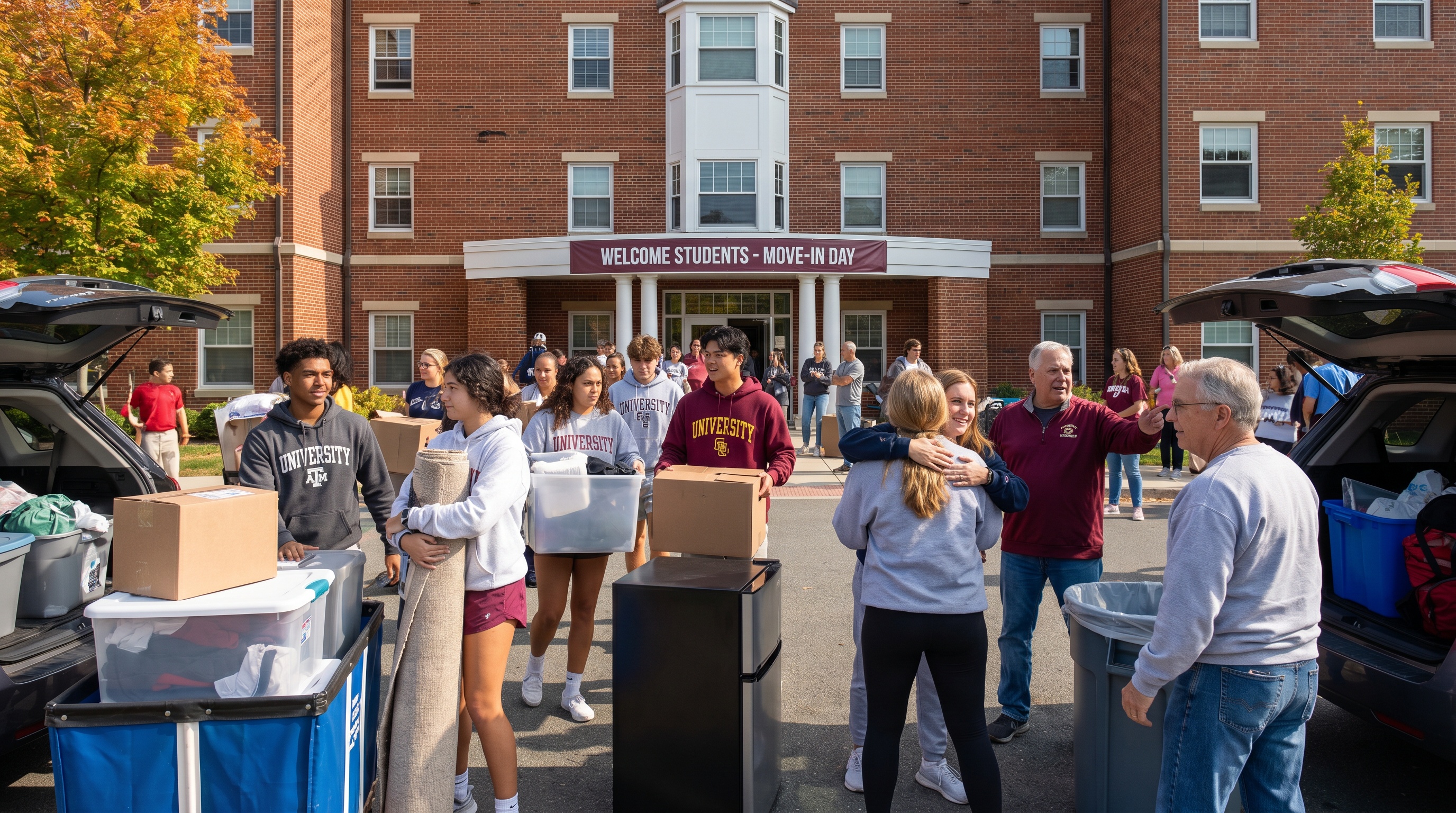
College life’s combination of academic opportunity, personal growth, and social experiences makes it an invaluable investment despite the costs involved. The structured environment, access to resources, and built-in community provide strong foundations for launching successful careers and lifelong friendships.
Success in college often comes down to choosing the right housing situation for your lifestyle and budget, getting involved in campus activities that align with your interests, and taking advantage of the support services available. Whether you’re drawn to the energy of residence hall living or the independence of off-campus apartments, college offers options for every preference and situation.
Frequently Asked Questions
Is college a good investment in 2026?
Yes, college offers exceptional opportunities for personal and career development with strong job market preparation, diverse experiences, and lifelong networking. With students from all backgrounds and comprehensive support services, campuses provide safe, structured environments for growth. However, you should budget carefully for all expenses including tuition, housing, and living costs.
What are the best housing options for college students?
Traditional residence halls work best for freshmen, providing built-in community and proximity to campus resources. Upperclassmen often prefer off-campus apartments for more independence and better value. Graduate students benefit from specialized graduate housing with quieter study environments. International students should consider programs that offer cultural support and community building.
How much does college cost annually for students?
College costs vary significantly by institution type and location. Students typically budget for tuition and fees, room and board ($8,000-15,000 annually), books and supplies ($1,200-1,500), and personal expenses ($2,000-3,000). Financial aid, scholarships, and work-study programs help offset costs for many students.
What's the academic calendar like for college students?
Most colleges follow a semester system with fall terms running late August through December and spring semesters from January through May. Summers offer opportunities for internships, study abroad, or breaks. The structured calendar provides intense learning periods balanced with recovery time, though the rhythm can be challenging initially for new students.
Set a reminder to sign up for storage!
We’ll remind you to sign up when it gets closer to your winter and summer break!
This article is part of our Storage Scholars News guide
You Might Also Like...

Want to hear from us about exclusive discounts and promotions?
Drop your email and we'll keep you up to date!
