
Complete Guides
Company & News
Shipping to College
College Storage for Parents
College Move-In & Move-Out
College Packing List
Dorm Storage & Organization
College Summer Storage
Dorm Room Essentials
Sports
Personal
Lifestyle
College Life
Health and Wellness
Entreprenership
Food
Business
What Are the Best Interior Design Styles for College Students? 24 Dorm and Apartment Decorating Ideas
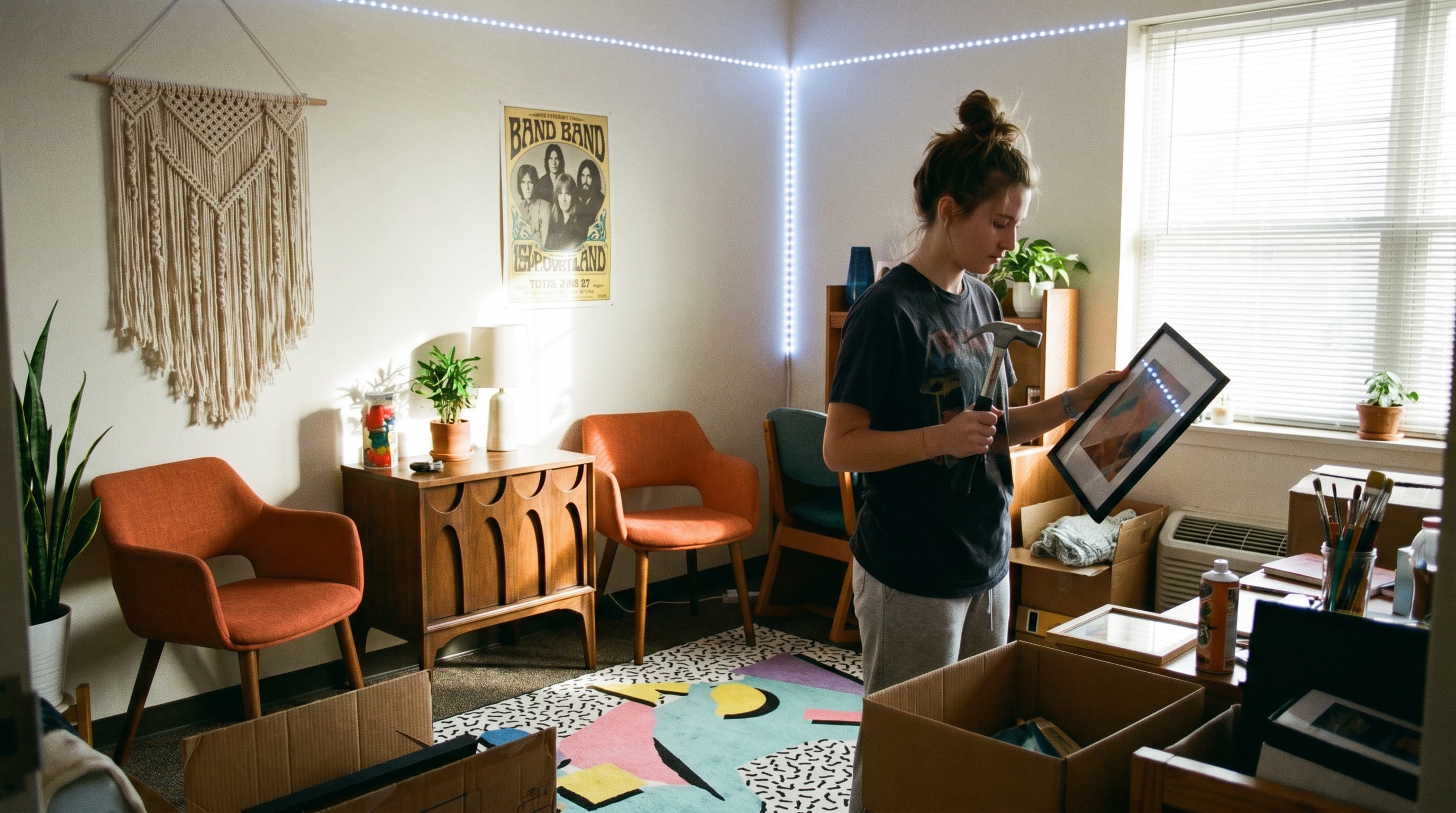
Decorating your space can feel overwhelming when you’re staring at blank walls and empty rooms. Whether you’re setting up your first dorm room, moving into an apartment, or helping transform a family home, understanding different interior design styles gives you the confidence to create a space that truly reflects your personality.
From the scholarly vibes of Academia to the free-spirited energy of Bohemian design, each style offers unique ways to express yourself through color, furniture, and decor. Some styles like Biophilic design focus on bringing nature indoors for a calming atmosphere, while others like Maximalism celebrate bold patterns and vibrant colors that make a statement.
Bottom line: The key to successful decorating is choosing a style that matches how you actually live, not just what looks good in photos. Your space should work for your lifestyle and make you feel at home.
Classic and timeless design styles
Traditional style brings the elegance of 18th-century European design into modern homes. You’ll recognize it by rich fabrics like silk and velvet, finished wood furniture, and deep colors including burgundy and forest green. To decorate traditionally, focus on wingback chairs, ornate details, and luxurious rugs that add warmth to hardwood floors.
Art Deco captures the glamour of the 1920s with bold geometric patterns and metallic finishes. This style loves symmetry, jewel tones paired with gold or chrome accents, and dramatic pieces like crystal chandeliers. Create an Art Deco look by mixing mirrored surfaces with velvet furniture and adding sculptural lighting that catches the eye.
Mid-Century Modern remains popular decades after its 1950s heyday, thanks to its clean lines and functional beauty. Think angular furniture with tapered legs, warm wood tones, and pops of mustard yellow or teal. The key is balancing neutral walls with colorful accent pieces and focusing on both natural and artificial lighting.
French Country combines rustic charm with elegant touches, creating spaces that feel both sophisticated and lived-in. Use distressed wood furniture, soft botanical prints, and a palette of creams and muted blues. Layer in natural textures like linen and add vintage accessories that tell a story.
Pro tip: When mixing classic styles, stick to one dominant style for 60% of your decor, then add 30% from a complementary style and 10% unexpected accents for personality.
Modern and contemporary approaches
Contemporary design stays current with today’s trends, emphasizing comfort over rigid rules. Unlike modern style, contemporary embraces curved lines, soft edges, and bolder colors. Create this look with plush upholstered furniture, metallic accents, and abstract artwork that adds visual interest without overwhelming the space.
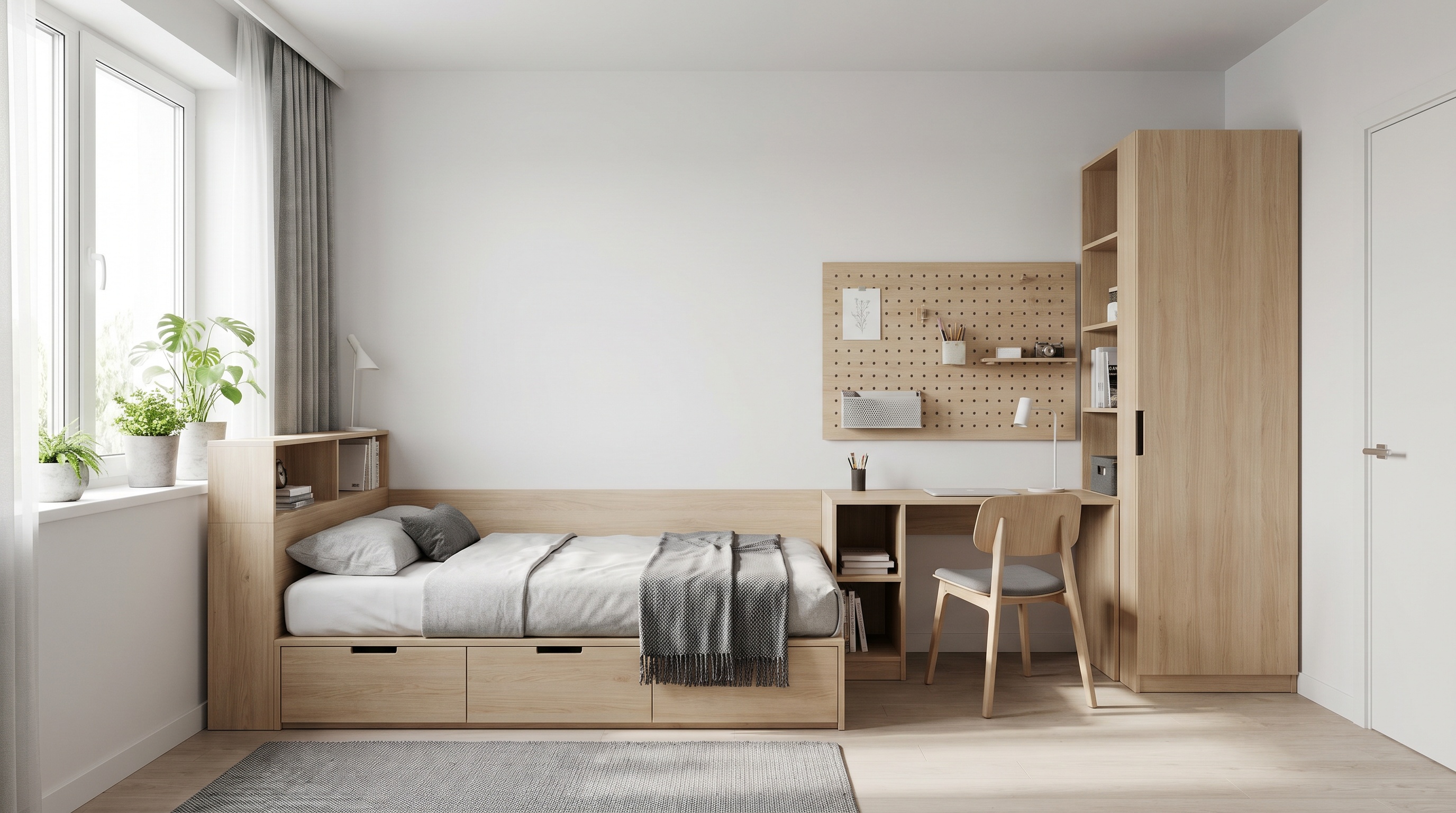
Minimalism proves that less truly can be more when done thoughtfully. This style focuses on clean lines, functional furniture, and neutral colors that create a sense of calm. Choose quality pieces with hidden storage, add texture through soft throws and pillows, and keep surfaces clutter-free to maintain the serene atmosphere. For college students, this approach works especially well in smaller dorm rooms where every square foot counts.
Industrial style transforms urban elements into design features, celebrating exposed brick, metal fixtures, and concrete surfaces. Achieve this look by mixing raw materials with comfortable seating, using pendant lighting, and sticking to a palette of grays, blacks, and warm browns that feel both edgy and inviting.
Scandinavian design prioritizes coziness and functionality through light woods, white walls, and simple forms. The Danish concept of hygge guides this style, emphasizing comfort and well-being. Add glass pendant lights, geometric pillows, and plenty of plants to create spaces that feel both minimal and warm. This style works particularly well for students who need their space to feel both calming for studying and welcoming for friends.
Bold and expressive styles
Maximalism celebrates the “more is more” philosophy with fearless color combinations and pattern mixing. This style encourages you to showcase your personality through quirky accessories, dramatic wall colors, and furniture that makes a statement. The key is creating intentional chaos that feels curated rather than cluttered.
Bohemian style embraces free-spirited creativity through globally-inspired patterns, vintage finds, and natural materials like rattan and macrame. Layer different textures, mix furniture from various eras, and display personal treasures that reflect your travels and interests. The goal is creating a space that feels collected over time. Many college students love this style because it allows them to incorporate meaningful items from home while expressing their individuality.
Eclectic design thoughtfully combines elements from multiple styles and time periods. Success comes from choosing a unifying color palette, then mixing Art Deco chairs with vintage tables or modern art with antique desks. This approach works well when you love pieces from different eras but want them to feel cohesive.
Hollywood Regency brings old Hollywood glamour home through high-contrast colors, luxurious materials, and dramatic lighting. Combine black and white foundations with jewel-tone accents, add mirrored or lacquered furniture, and finish with statement chandeliers that create a sense of drama and sophistication.
Smart strategy: Start with one bold statement piece when trying expressive styles, then build around it gradually. This prevents overwhelming your space while you develop confidence with bolder design choices.
Nature-inspired and cozy styles
Biophilic design connects indoor spaces to the natural world through plants, natural materials, and earth-tone colors. This approach promotes wellness by incorporating elements like wood and stone furniture, woven textures, and plenty of greenery. Let in natural light with minimal window treatments and add water features for a truly calming environment. For students dealing with academic stress, this nature-focused approach can create a more peaceful study environment.
Cottagecore romanticizes countryside living through floral prints, vintage furniture, and handmade touches. Create this cozy aesthetic with reclaimed wood pieces, dried flower arrangements, and soft furnishings like ruffled throws and embroidered pillows. The goal is making any space feel like a charming country cottage.
Coastal style captures the relaxed feeling of beach living through blues, whites, and natural textures. Use wicker furniture, linen fabrics, and sandy color palettes to create breezy, comfortable spaces. Add texture with cable-knit throws and avoid nautical cliches in favor of subtle ocean-inspired elements.
Modern Farmhouse blends rustic charm with contemporary comfort through shiplap walls, reclaimed wood, and neutral palettes. This style works well for families because it emphasizes both beauty and functionality. Mix industrial lighting with comfortable seating and add natural textures that create warmth without feeling overly decorated.

Whether you’re drawn to the scholarly atmosphere of Academia style or the vibrant energy of Southwestern design, the best interior style is one that makes you feel comfortable and reflects your personality. Remember that most successful spaces blend elements from multiple styles rather than strictly following one approach. Start with the style that speaks to you most, then gradually add pieces that enhance your space’s functionality and beauty. Your dorm room or apartment should tell your story, support your daily activities, and create an environment where you truly want to spend time studying, relaxing, and connecting with friends.
Frequently Asked Questions
Should I declutter before decorating my home?
Yes, decluttering before decorating is essential for successful interior design. Start by removing items you no longer need using the four-box method (keep, donate, sell, trash). This helps you see your space clearly and prevents your chosen design style from looking cluttered. A clean, organized foundation makes any interior design style - from Minimalism to Maximalism - more effective and visually appealing.
What's the fastest way to choose an interior design style for my home?
The fastest way is to identify how you actually live and what makes you feel comfortable. Look at your existing favorite pieces and lifestyle needs - if you prefer clean, organized spaces, consider Minimalism or Scandinavian design. If you love bold colors and patterns, explore Maximalism or Bohemian styles. Start with one dominant style for 60% of your decor, then add complementary elements gradually.
How do I decorate when I feel overwhelmed by all the design options?
Start small with 10-minute decorating sessions to avoid overwhelm. Choose one room or even one corner to focus on first. Pick a single design style that speaks to you, then begin with one statement piece like a colorful throw pillow or artwork. Build around this piece gradually, adding complementary colors and textures over time rather than trying to transform your entire space at once.
Can I mix different interior design styles in one home?
Absolutely! Eclectic design successfully combines multiple styles by using a unifying color palette or theme. The key is balance - choose one primary style as your foundation, then thoughtfully incorporate elements from other styles. For example, you might blend Mid-Century Modern furniture with Bohemian textiles, or combine Industrial lighting with Scandinavian simplicity. Most successful homes blend elements rather than strictly following one style.
Set a reminder to sign up for storage!
We’ll remind you to sign up when it gets closer to your winter and summer break!
This article is part of our Dorm Room Essentials guide
Other Articles

Want to hear from us about exclusive discounts and promotions?
Drop your email and we'll keep you up to date!
