
Complete Guides
Company & News
Shipping to College
College Storage for Parents
College Move-In & Move-Out
College Packing List
Dorm Storage & Organization
College Summer Storage
Dorm Room Essentials
Sports
Personal
Lifestyle
College Life
Health and Wellness
Entreprenership
Food
Business
Car Storage for College Students: Affordable Vehicle Storage Solutions from $30 Per Month
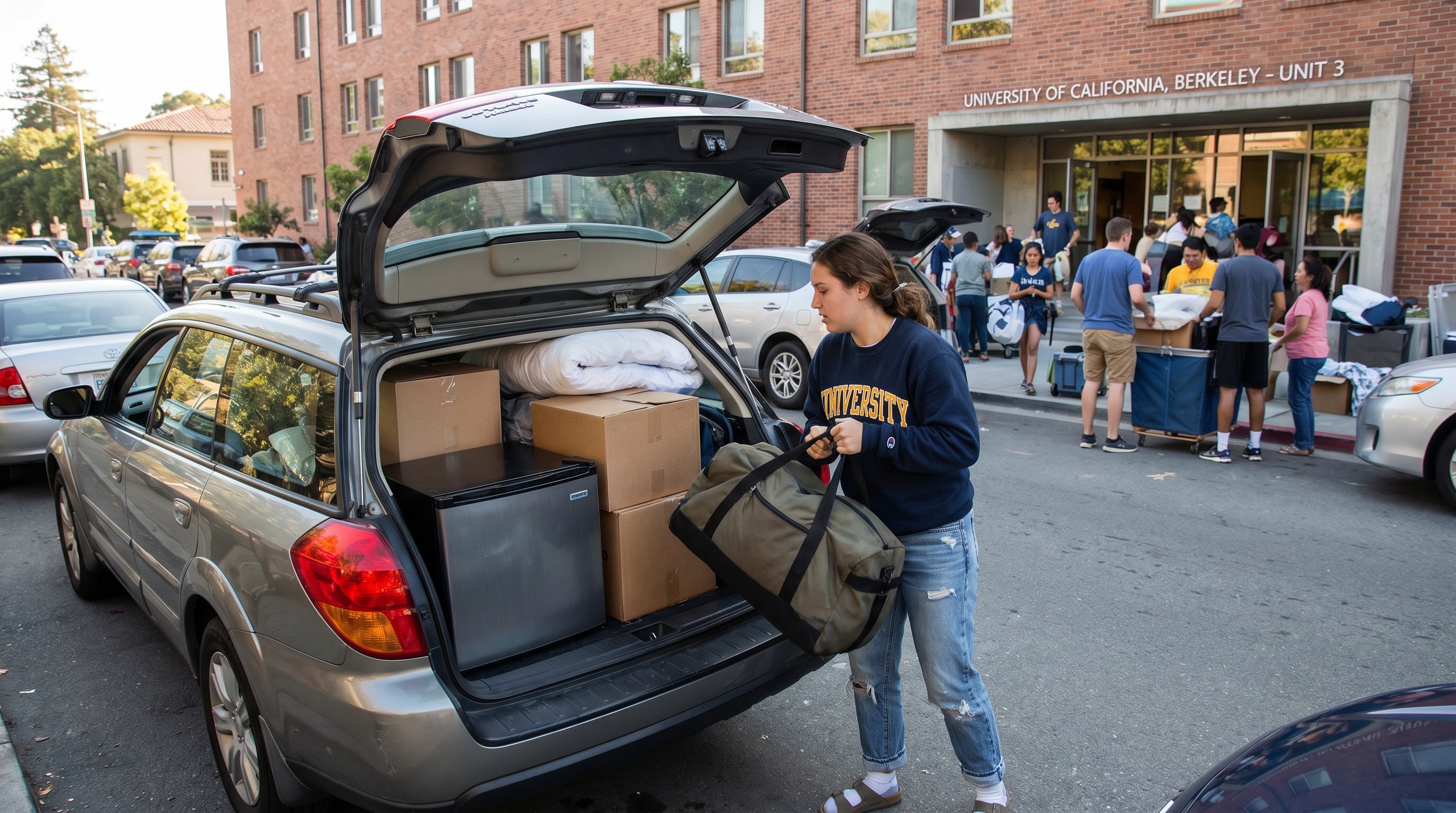
When you need secure car storage as a college student, whether for summer break, a semester abroad, or just limited parking at your campus housing, finding the right storage solution doesn’t have to break your budget. Vehicle storage units offer flexible options starting as low as $30 per month, with various sizes and protection levels to match your specific needs and timeline.
Bottom line: Car storage costs range from $30-$400 monthly depending on size and protection level, with most standard vehicles fitting comfortably in 10x20 units averaging $193 per month.
From compact cars that need basic outdoor parking to luxury vehicles requiring climate-controlled indoor storage, understanding your options helps you make the smartest choice for your situation and budget. Whether you’re storing your car for a few months during study abroad or need long-term protection for a classic vehicle, professional vehicle storage keeps your investment safe while giving you peace of mind during your college years.
Understanding car storage unit sizes and costs
The size of storage unit you need directly impacts your monthly cost, but choosing the right fit doesn’t have to be complicated. Most standard passenger vehicles work perfectly in a 10x20 unit, which provides 200 square feet of space with room to open doors and access your trunk comfortably.
For compact cars like a Honda Fit or Mini Cooper, a smaller 10x15 unit offers 150 square feet at a lower price point. These units work great for vehicles under 14 feet in length and can save you money if you’re storing a smaller car short-term during summer break.
Smart strategy: Measure your vehicle’s total length including any bike racks, hitches, or roof boxes before booking to avoid costly unit upgrades later.
Larger vehicles like pickup trucks, SUVs, or cargo vans typically need 10x25 or 10x30 units. A Ford F-350 crew cab or Chevrolet Express van requires the extra length these bigger units provide. While they cost more monthly, you’ll have adequate space to park safely without scraping doors or bumpers. For help determining the right size for your needs, check out our comprehensive storage unit size guide.
10x15
Square Feet: 150
Best For: Compact cars, motorcycles
Average Monthly Cost: $79
10x20
Square Feet: 200
Best For: Sedans, small SUVs, crossovers
Average Monthly Cost: $77
10x25
Square Feet: 250
Best For: Large SUVs, pickup trucks
Average Monthly Cost: $80
10x30
Square Feet: 300
Best For: Extended trucks, cargo vans
Average Monthly Cost: $85
Types of vehicle storage protection levels
Your storage protection needs depend on your vehicle’s value, how long you’re storing it, and your local climate conditions. Each protection level offers different benefits at varying price points.
Outdoor uncovered storage provides the most affordable option at around $100 monthly. You get a designated parking space with basic security features like perimeter fencing and gate access. This works well for durable vehicles stored short-term in mild climates, particularly for students heading home for summer break.
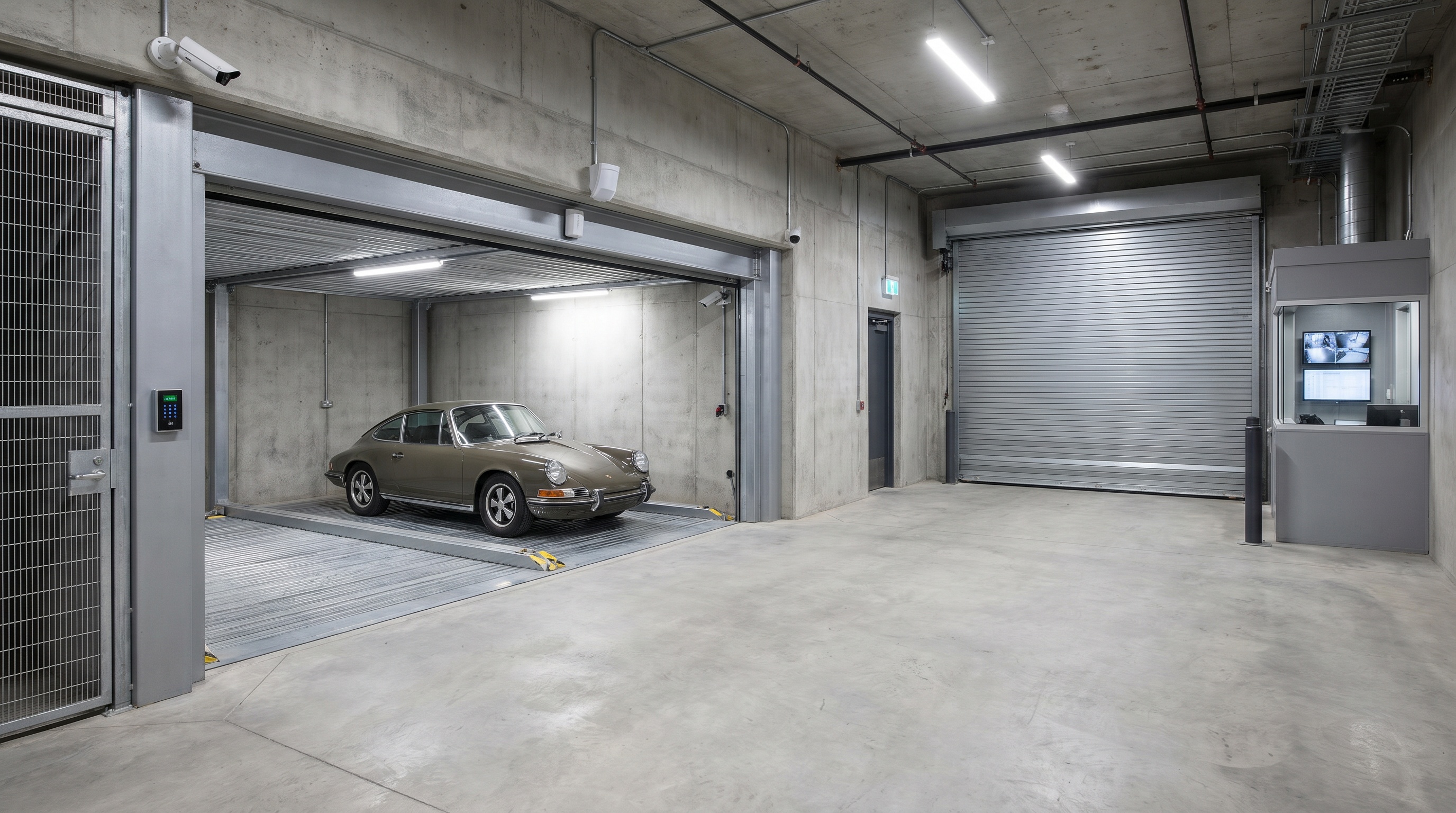
Indoor storage units offer complete protection from weather, UV rays, and unauthorized access. These garage-like spaces cost around $231 monthly but provide maximum security for valuable vehicles. You’ll have your own lockable unit with drive-up access for easy loading and unloading.
Climate-controlled indoor storage represents the premium option at approximately $258 monthly. These units maintain consistent temperature and humidity levels, preventing damage from extreme heat, cold, or moisture. They’re essential for classic cars, luxury vehicles, or long-term storage in harsh climates. To better understand how much storage units cost in 2026, explore current pricing trends and factors that affect rates.
Preparing your vehicle for storage success
Proper preparation protects your investment and prevents costly problems during storage. Start by giving your car a thorough cleaning inside and out, then apply a coat of wax to protect the paint and discourage pests from making your vehicle their home.
Change your oil before storage, even if it’s not due for regular service. Fresh oil prevents contaminants from sitting in your engine during extended periods of inactivity. Inflate all tires to their recommended pressure and consider using tire ramps to prevent flat spots from developing.
Pro tip: Disconnect your battery and store it on a trickle charger separately to prevent complete discharge and extend battery life during long-term storage.
For outdoor storage, invest in a breathable car cover that protects against dust, UV rays, and bird droppings while allowing air circulation. Cover your exhaust pipe and air intake with steel wool or mesh to prevent rodents from nesting inside your vehicle.
Check on your stored vehicle every few weeks if possible, and start it up for a short drive to keep all systems functioning properly. This simple maintenance prevents issues like stuck brake pads, flat spots on tires, and fuel system problems.
Common reasons students need car storage
College life often creates unique vehicle storage needs that traditional campus parking can’t solve. Many students face parking restrictions in dorms or off-campus housing, especially in urban areas where space is limited and expensive.
Summer break presents the biggest storage challenge for most college students. Rather than driving your car home across the country or paying for expensive summer parking permits, local storage offers a convenient solution that keeps your vehicle safe and accessible for the next school year. This is particularly valuable for international and out-of-state students who may not have family nearby to help with vehicle storage.
Study abroad programs, internships in other cities, or extended winter breaks also create temporary storage needs. Having your car safely stored locally means you can focus on your experiences without worrying about vehicle security or maintenance issues. If you’re looking for budget-friendly options, explore cheap storage unit prices near you to find the best deals in your area.

Some students inherit classic cars or own vehicles that exceed their current needs but have sentimental or investment value. Professional storage protects these special vehicles from weather damage, theft, and vandalism while you focus on your studies.
Finding affordable, secure car storage near your campus gives you flexibility and peace of mind during your college years. Whether you need short-term storage for summer break or longer protection for a valuable vehicle, understanding storage unit costs and pricing options helps you make an informed decision. The right storage solution adapts to your changing needs and budget constraints while keeping your investment safe and ready when you need it most.
Frequently Asked Questions
What size storage unit do I need for my car?
Most standard passenger vehicles fit comfortably in a 10x20 unit (200 square feet), which provides enough room to open doors and access your trunk. Compact cars like Honda Fit or Mini Cooper can use smaller 10x15 units (150 square feet), while larger vehicles like pickup trucks or SUVs typically need 10x25 or 10x30 units. Always measure your vehicle's total length including any attachments before booking.
How much does car storage cost per month?
Car storage costs range from $30-$400 monthly depending on size and protection level. Outdoor uncovered storage averages around $100 per month, while indoor storage units cost approximately $231 monthly. Climate-controlled indoor storage represents the premium option at about $258 per month. Most standard 10x20 units average $193 per month.
How should I prepare my car for long-term storage?
Clean your car thoroughly inside and out, then apply a coat of wax for paint protection. Change the oil to fresh oil, inflate tires to recommended pressure, and disconnect the battery to store it on a trickle charger separately. Use a breathable car cover for outdoor storage and cover exhaust pipes with steel wool to prevent rodents. Check on your vehicle every few weeks and start it occasionally.
What's the difference between outdoor and indoor car storage?
Outdoor storage provides a designated parking space with basic security features like perimeter fencing at around $100 monthly, suitable for durable vehicles stored short-term. Indoor storage offers complete protection from weather, UV rays, and unauthorized access in garage-like spaces for about $231 monthly. Climate-controlled indoor storage maintains consistent temperature and humidity for maximum protection at approximately $258 monthly.
Set a reminder to sign up for storage!
We’ll remind you to sign up when it gets closer to your winter and summer break!
This article is part of our College Summer Storage guide
You Might Also Like...

Other Articles
Want to hear from us about exclusive discounts and promotions?
Drop your email and we'll keep you up to date!
