
Student Storage Services
Complete Guides
Company & News
Shipping to College
College Storage for Parents
College Move-In & Move-Out
College Packing List
Dorm Storage & Organization
College Summer Storage
Dorm Room Essentials
Sports
Personal
Lifestyle
College Life
Health and Wellness
Entreprenership
Food
Business
College Packing Timeline: When to Start and What to Pack First
Bottom line: Start planning your college packing timeline 8-10 weeks before move-in day. Shop for big items 4-6 weeks out, then pack in reverse order of need during the final 2-3 weeks, saving daily essentials for last.
The perfect college packing timeline prevents two disasters: living out of boxes all summer because you packed too early, or throwing random items into garbage bags at 2 AM because you waited too long.
Your timeline should follow three distinct phases. First, spend weeks 8-10 on planning and coordination. Then tackle shopping and major purchases 4-6 weeks before move-in. Finally, do your actual packing in reverse order of need during the last 2-3 weeks.
Planning Phase: 8-10 Weeks Before Move-In
This phase is about gathering information and making decisions, not filling boxes. The choices you make now will save you money and prevent move-in day disasters.
Download your dorm's floor plan and prohibited items list from the housing portal. Take screenshots of everything since these portals often crash during peak season.
Walk through your current room and sort everything into four categories: definitely bringing, maybe bringing, staying home, and donate/trash. Be honest about what you actually use. Those cargo shorts from sophomore year can stay home.
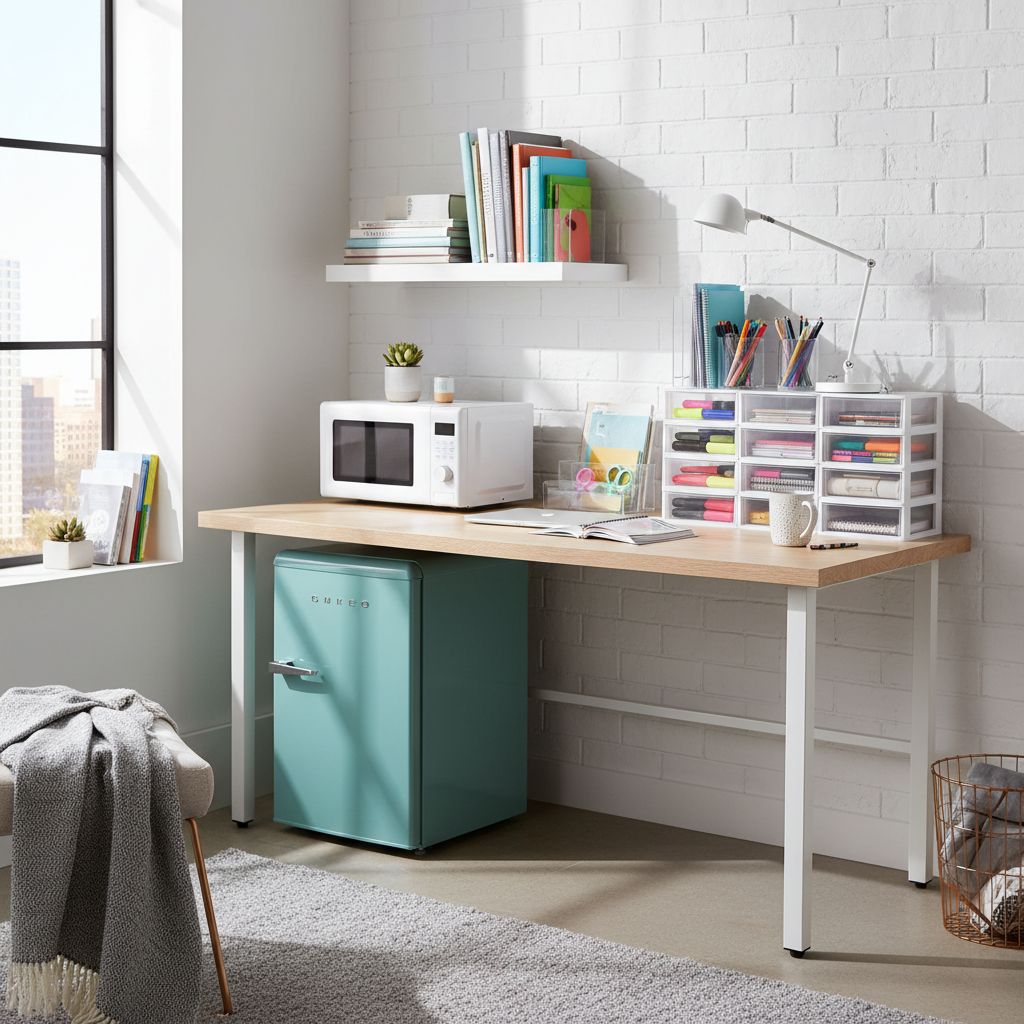
Start coordinating with your roommate about shared items. You don't need two mini-fridges in a 12x10 room. Divide up major appliances: one person brings the microwave, the other brings a coffee maker or small fridge.
For out-of-state students, research summer storage options now. Out-of-state packing requires different planning, and booking storage early can save you money during peak season rates in July and August.
Shopping Phase: 4-6 Weeks Before Move-In
This is when you buy the items that need research or have longer shipping times. You have enough lead time for delivery delays, but you're not so early that you forget what you ordered.
Essential Purchases to Prioritize
Bedding: Dorm mattresses use XL twin sheets, which are different from regular twin. Target's Room Essentials XL twin sets fit properly and cost around $20. Skip expensive "dorm in a bag" sets that include low-quality items you don't need.
Storage solutions: Clear plastic bins work better than cardboard boxes because you can see contents and they stack securely. IKEA's SAMLA series costs $3-15 depending on size and fits standard dorm closet shelves.
Power management: Dorm rooms have limited outlets. Get a surge protector with USB ports, like the Anker PowerPort Strip. You'll need to charge laptops, phones, tablets, and small appliances from just a few wall outlets.
Money-Saving Shopping Tips
Check your school's Facebook marketplace and incoming class groups before buying new. Upperclassmen sell mini-fridges, microwaves, and barely-used furniture for half the retail price.
Buy heavy or bulky items near campus if possible. Shipping large items can cost more than buying locally, especially for items like desk chairs or storage units.
Packing Phase: Final 2-3 Weeks
Pack in reverse order of need. Items you use daily at home should be the last things you pack. Seasonal or decorative items can go in boxes first.
Weeks 2-3 Before Move-In
- Seasonal clothing (winter coats, formal wear you won't need immediately)
- Books, decorative items, and wall art for your room
- Extra bedding, towels, and linens
- Gaming consoles, speakers, and non-essential electronics
- School supplies and textbooks
- Storage containers and organizational items
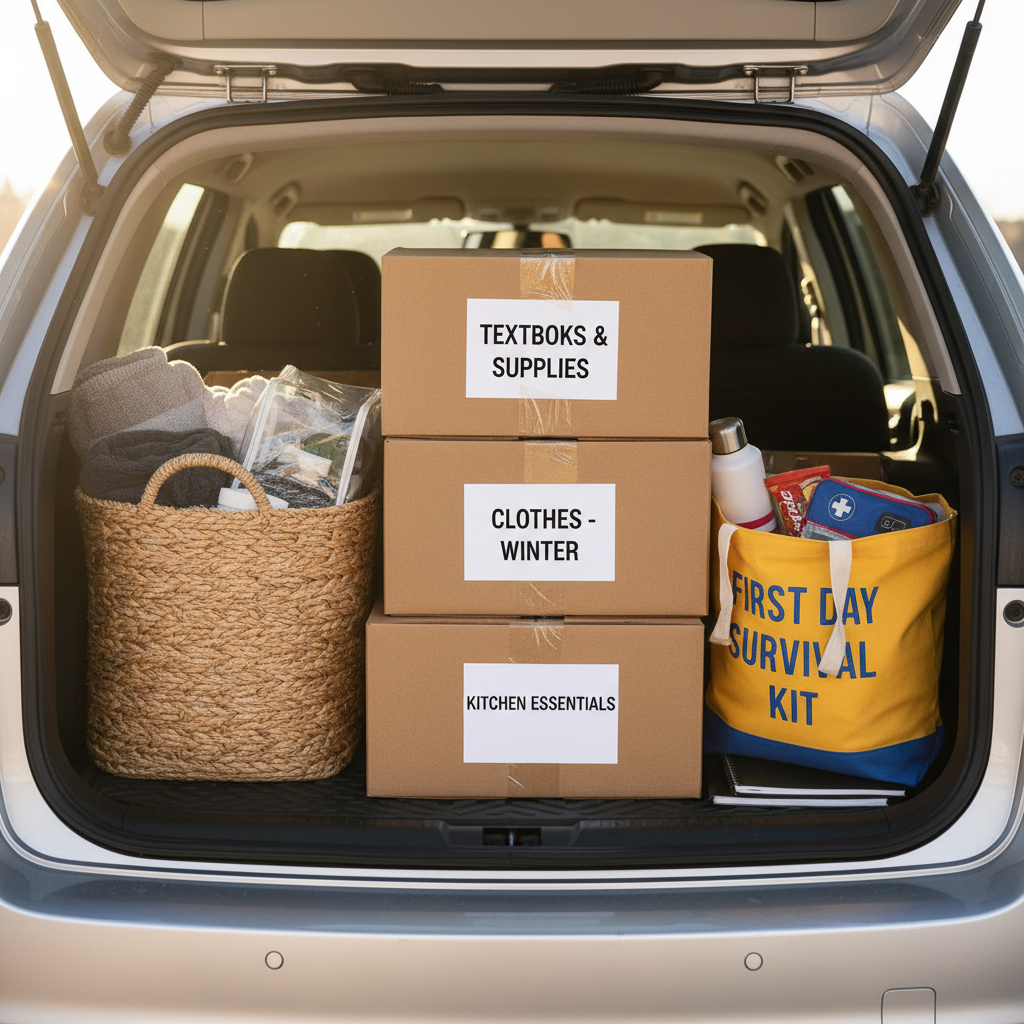
Label every box with your name, dorm building, and room number. On move-in day, all boxes look identical and proper labeling prevents your parents from hauling the wrong boxes up multiple flights of stairs.
Final Week: Daily Essentials Only
- Toiletries and personal care items you're currently using
- Clothes for your last week at home
- Laptop, phone charger, and daily electronics
- Medications and important documents
- Snacks and comfort food for your first few days
Pack a separate "survival kit" that travels with you, not in moving boxes. Include phone charger, basic toiletries, one change of clothes, important documents, and snacks. Move-in day is chaotic and you don't want to dig through boxes looking for your toothbrush.
Items That Don't Follow Normal Timelines
Some belongings require special handling that doesn't fit the standard packing schedule.
Technology: Back up your devices the week before leaving. Download offline maps and sync music, but don't pack chargers and daily electronics until your final packing day.
Medications: Get prescription refills early, but keep them accessible until you leave. Pack a two-week supply in your personal bag if flying. College health centers can't help with prescriptions on your first day.
Important documents: Make copies of your driver's license, passport, insurance cards, and emergency contacts. Keep originals with you, copies in a separate bag, and another set with your parents at home.
Valuables: Items worth more than $200 should travel with you personally or stay home. Dorm insurance covers theft, but proving ownership without receipts and serial numbers is difficult.
Move-In Day Execution
Your timeline doesn't end when packing finishes. Move-in day itself requires strategy.
Arrive during your assigned time slot, not hours late. Early arrival means shorter elevator waits and available parking. Most schools process thousands of students during move-in weekend, so timing matters.
Bring or rent a dolly if possible. Many schools loan them during move-in weekend. A rolling cart cuts moving time in half and saves your back from carrying heavy boxes up stairs.
Unpack in priority order: bedding first so you can sleep that night, then daily essentials, then everything else. Don't pressure yourself to decorate immediately. Your room setup will evolve as you learn your habits and space constraints.
Build buffer time into every step. Elevators break, parking fills up, and coordination with roommates takes longer than expected. Students who look calm on move-in day started their college packing timeline weeks ago and planned for delays.
Following this timeline transforms college packing from a stressful scramble into manageable phases. Start your planning early, shop strategically, and pack thoughtfully to make your transition to college smoother.
Related reading
- The College Packing List That Actually Makes Sense
- Out of State College Packing List and Moving Tips
- Shipping to College and No Car Solutions: The Complete Guide to Getting Your Stuff to Campus
Storage Scholars delivers to off-campus residences within approximately 3 miles of campus and recommends booking at least 2 to 3 weeks ahead of a move, especially during peak move-out and move-in season. Storage Scholars can deliver outside of the 3-mile radius for an additional fee to cover the additional fuel charges.
Storage Scholars' service holds student belongings in a secure, climate-controlled facility with digital inventory tracking, priced $14 to $40 per item per month depending on size, with a 4-month minimum term.
Frequently Asked Questions
When should I start packing for college?
Start planning 8-12 weeks before move-in, but save actual packing for the final 2-3 weeks. Use those early weeks for research, coordinating with your roommate, and booking storage if needed. Pack non-essentials during week 2, then save daily items like toiletries and chargers for the last day. This prevents living out of boxes while avoiding last-minute chaos.
What should I pack first for college?
Pack in reverse order of need. Start with items going to storage or staying home, like winter coats or old textbooks. Two weeks before move-in, pack room setup items like bedding and desk supplies. Pack most clothing during the final week, keeping out what you're currently wearing. Save daily essentials like phone chargers and medications for the very last day.
Is 8 weeks too early to pack for college?
Eight weeks is too early for actual packing but perfect for planning. Use this time to research dorm rules, create shopping lists, coordinate with your roommate, and book storage services. You'll still need your stuff for the next two months. Starting the planning phase early reduces stress by 85% compared to last-minute preparation, but physical packing should wait until week 2.
What happens if I wait until the last minute to pack for college?
Last-minute packing creates chaos and leads to forgotten essentials. You'll make poor decisions about what to bring, miss coordination opportunities with your roommate, and potentially buy duplicate items. Storage services charge 25-40% more during peak season's final weeks. Students who wait report significantly higher stress and often forget important items they realize they need only after arriving on campus.
Set a reminder to sign up for storage!
We’ll remind you to sign up when it gets closer to your winter and summer break!
This article is part of our College Packing List guide

Want to hear from us about exclusive discounts and promotions?
Drop your email and we'll keep you up to date!
