
Complete Guides
Company & News
Shipping to College
College Storage for Parents
College Move-In & Move-Out
College Packing List
Dorm Storage & Organization
College Summer Storage
Dorm Room Essentials
Sports
Personal
Lifestyle
College Life
Health and Wellness
Entreprenership
Food
Business
What is a Resident Assistant and How Can They Help You in College?
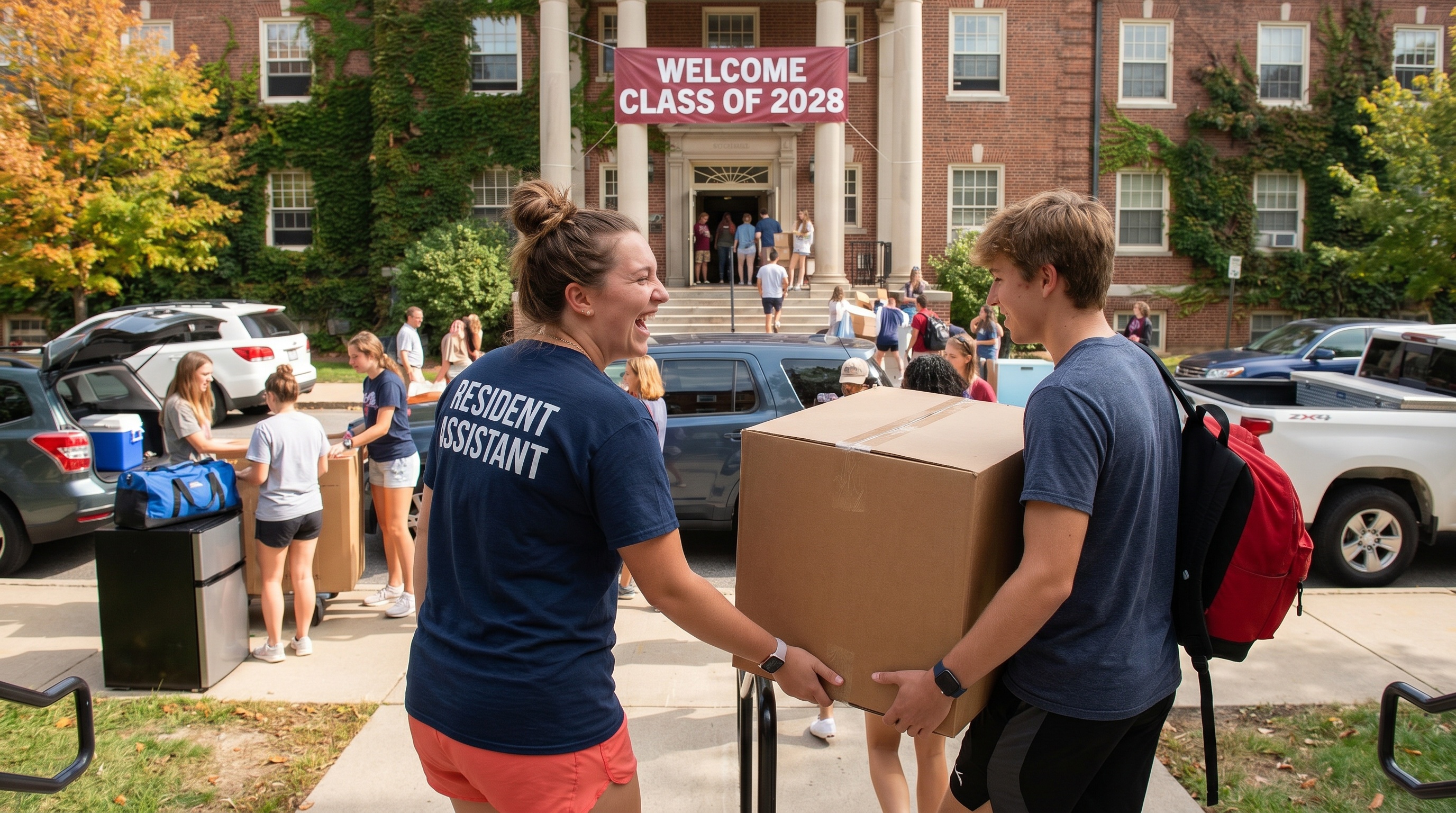
Starting college can feel overwhelming, especially when you’re living away from home for the first time. Between navigating new academic challenges and adjusting to dorm life, you might wonder who you can turn to for help. That’s where your Resident Assistant comes in.
A Resident Assistant (RA) is a trained student leader who lives in your residence hall and serves as your first point of contact for questions, concerns, and community building. They’re upperclassmen who’ve been selected for their leadership skills and commitment to helping fellow students succeed in their college journey.
Bottom line: Your RA is there to make your transition to college life smoother by building community, enforcing policies, and connecting you with campus resources when you need them most.
The core responsibilities of a Resident Assistant
Your RA wears many hats throughout the academic year, but their primary goal is creating a supportive residential community where you can thrive. According to housing.colostate.edu, RAs help ease the transition from home life to university life through programming, hall events, and floor activities.
The main responsibilities include community building through organized activities like game nights, study groups, and cultural celebrations. They also serve as peer mentors, offering guidance on everything from academic stress to roommate conflicts. When policy violations occur, RAs handle enforcement fairly while maintaining relationships with residents.
Most importantly, your RA acts as a bridge to campus resources. Whether you’re struggling with a class, dealing with homesickness, or facing a personal crisis, they can connect you with counseling services, academic advisors, or other support systems on campus. Much like how moving to a new city requires understanding local resources, adjusting to college life means knowing where to find help when you need it.
How RAs support you during challenging times
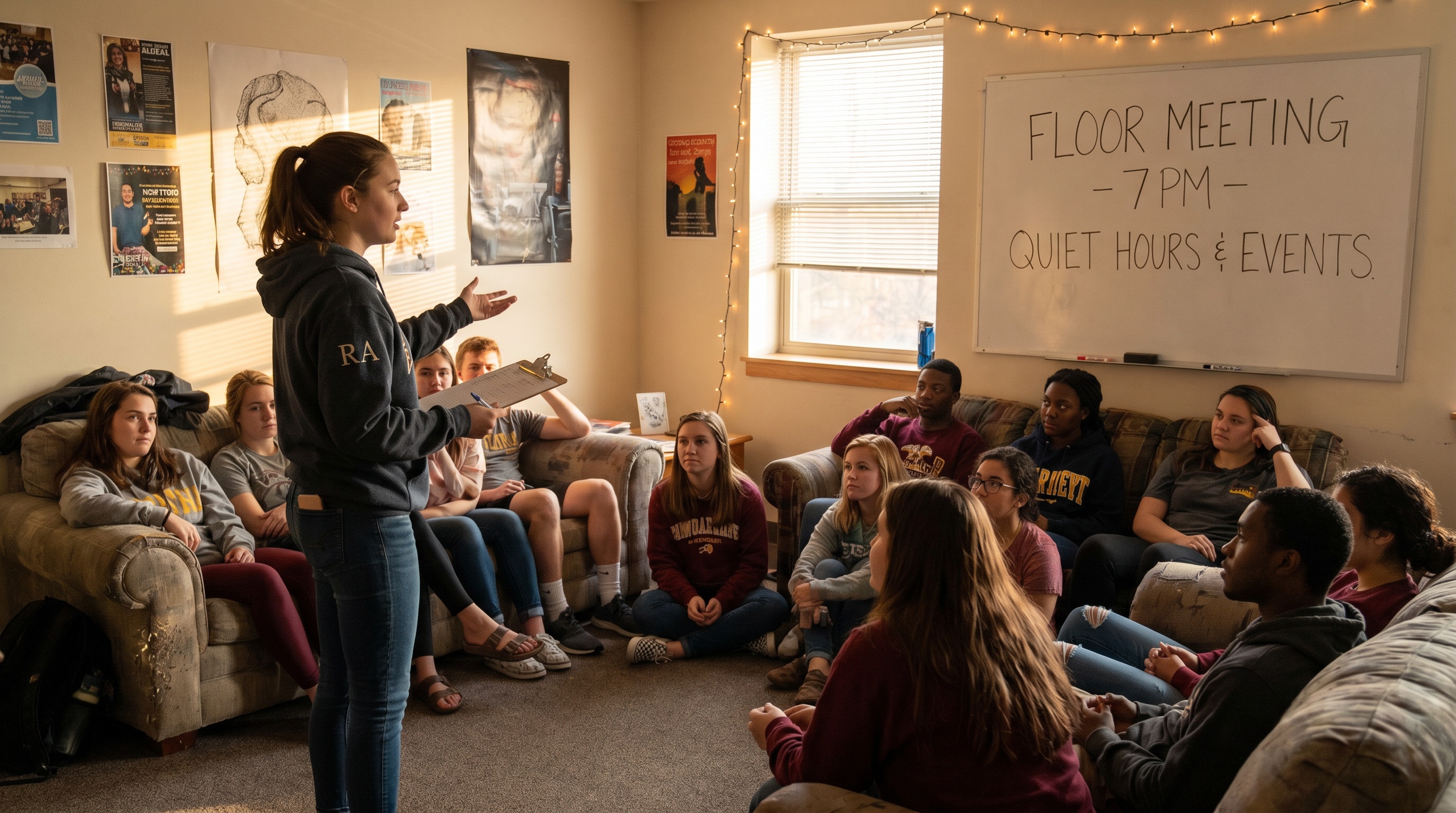
College life comes with its share of ups and downs, and your RA is trained to help you navigate both. They’re often the first person residents turn to when facing difficulties, and they’re equipped with the skills to provide meaningful support.
During academic stress periods like finals week, RAs organize study sessions and create quiet spaces for focused learning. They understand the pressure you’re under because they’re students too, maintaining their own GPA requirements to keep their position.
For personal challenges like roommate disagreements or homesickness, RAs use conflict resolution skills and active listening to help you work through problems. They won’t always have all the answers, but they know how to connect you with professional resources when needed. The adjustment period can be particularly challenging for students relocating from different areas - whether you’re an out-of-state student or international student attending one of the many colleges across the US. This transition often involves managing belongings during breaks, which is why many students find value in convenient storage and moving services designed specifically for college life.
Pro tip: Don’t wait until you’re in crisis mode to reach out to your RA. Building a relationship early in the semester makes it easier to ask for help when you really need it.
What it takes to become a Resident Assistant
Understanding what makes someone qualified to be an RA can help you appreciate the role better and maybe even inspire you to apply yourself. According to clocktowerhighered.com, most RAs are upperclassmen selected for their leadership potential, reliability, and commitment to student well-being.
The application process is competitive and typically includes maintaining a minimum GPA, submitting formal applications with references, and completing multiple interviews. Selected candidates undergo intensive training covering emergency protocols, diversity and inclusion, conflict resolution, and crisis management.
Many current RAs were inspired by their own positive experiences with previous RAs. The role offers valuable real-world experience in leadership, event planning, crisis management, and public speaking - skills that look impressive on graduate school applications and job resumes. These transferable skills are valuable whether you’re staying in your college town or relocating to major cities like Dallas after graduation.
Smart strategy: If you’re considering becoming an RA, start building relationships with current RAs and residence life staff early in your college career to learn more about the role and application process.
Making the most of your relationship with your RA
Your RA is a valuable resource, but the relationship works best when you approach it with the right mindset. Remember that they’re students just like you, balancing their own academic responsibilities with their RA duties.
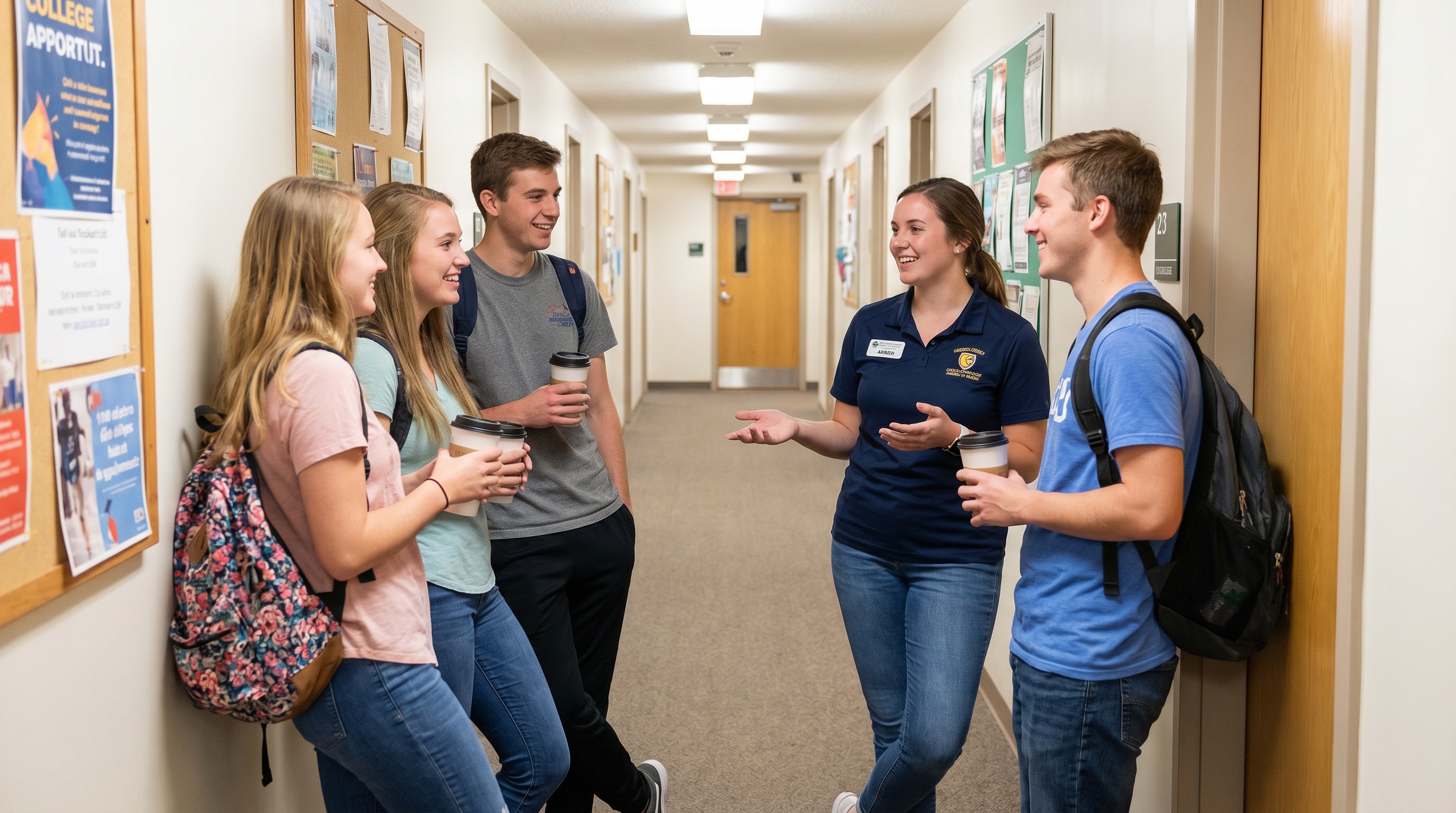
Be respectful of their time while also taking advantage of their availability. Most RAs post their schedules or office hours, making it easy to know when they’re around for questions or just casual conversation. Don’t hesitate to attend floor programs and hall events - these activities aren’t just fun, they’re designed to help you build connections and feel more at home.
Keep in mind that during busy periods like finals week, your RA might be less visible as they focus on their own studies. This is completely normal and doesn’t mean they’re not available if you have an urgent need. During these stressful times, many students also need to think about practical matters like storing belongings over summer break or managing moves between residence halls - your RA can often point you toward helpful campus resources or student-focused services that make these transitions easier.
The key to a positive relationship with your RA is communication. They want to help you succeed, but they can’t read your mind. Whether you’re dealing with academic stress, social challenges, or just need someone to talk to, reaching out early often prevents small issues from becoming bigger problems. Building a support network in your residence hall is just as important as understanding your new community when moving to a different city.
Your RA plays a crucial role in making your college experience positive and successful. They’re trained leaders who understand the challenges of college life because they’ve lived through them themselves. By building a good relationship with your RA and taking advantage of the support they offer, you’re setting yourself up for a smoother transition to college life and a stronger sense of community in your residence hall. Whether you’re attending school in vibrant urban areas like Denver or smaller college towns, your RA serves as your anchor in navigating this exciting new chapter of your life.
Frequently Asked Questions
What does an RA do on a daily basis?
A Resident Assistant handles various daily responsibilities including organizing community-building activities like game nights and study groups, serving as a peer mentor for academic and personal concerns, enforcing residence hall policies fairly, and connecting students with campus resources. They also conduct regular floor meetings, respond to emergencies, and maintain a visible presence in the residence hall to support student needs.
How much do resident assistants get paid?
Most Resident Assistants receive compensation in the form of free or reduced-cost room and board rather than traditional salary. The value typically ranges from $8,000 to $15,000 per academic year depending on the institution. Some schools also provide a small monthly stipend for personal expenses, usually between $100-300 per month, along with the housing benefits.
What are the requirements to become an RA?
To become a Resident Assistant, you typically need to be an upperclassman (sophomore or above) with a minimum GPA of 2.5-3.0, complete a competitive application process including essays and references, participate in multiple interviews, and undergo intensive training covering emergency protocols, conflict resolution, and crisis management. Strong leadership skills, reliability, and commitment to student well-being are essential qualifications.
Do RAs have to live in the dorms?
Yes, Resident Assistants are required to live in the residence halls they serve, typically in a single room on the floor they supervise. This live-in requirement allows them to be readily available for emergencies, build relationships with residents, and maintain a visible presence in the community. RAs usually receive priority room selection and enhanced living accommodations as part of their compensation package.
Set a reminder to sign up for storage!
We’ll remind you to sign up when it gets closer to your winter and summer break!
This article is part of our Storage Scholars News guide
Other Articles

Want to hear from us about exclusive discounts and promotions?
Drop your email and we'll keep you up to date!
