
Student Storage Services
Complete Guides
Company & News
Shipping to College
College Storage for Parents
College Move-In & Move-Out
College Packing List
Dorm Storage & Organization
College Summer Storage
Dorm Room Essentials
Sports
Personal
Lifestyle
College Life
Health and Wellness
Entreprenership
Food
Business
What Happens If You Store Prohibited Items in a Storage Unit
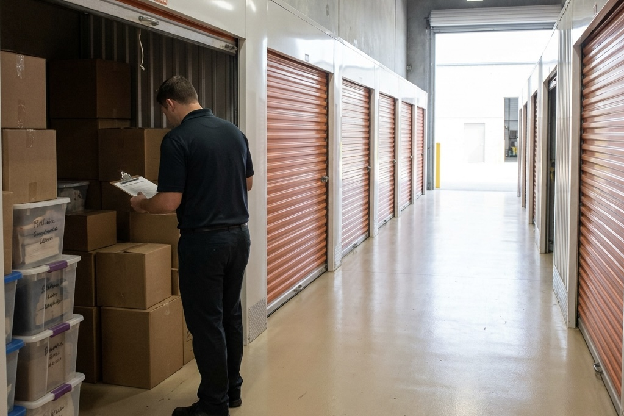
Storing illegal storage unit items can get your unit terminated, your belongings seized, and your lease voided on the spot. With serious cases like drugs, stolen property, certain weapons, the facility is legally required to contact law enforcement without warning you first.
Most students who run into this problem didn't know they were doing anything wrong. They packed a gas can from home, tucked away old road flares, or boxed up something a roommate handed them without asking questions. The rules are stricter than people assume, and the consequences move faster than most expect.
What Counts as Illegal Storage Unit Items
The banned list varies slightly by facility, but the core categories are consistent. Anything flammable, explosive, perishable, living, or outright illegal is off the table.
- Flammables are the biggest category: gasoline, propane tanks, paint thinner, fireworks.
- Food draws pests that spread to neighboring units. Plants and animals are obvious violations, but people try anyway.
- Illegal goods, drugs, stolen property, unlicensed firearms, create a separate set of problems that go well beyond lease termination.
The thing people most often misunderstand is that "hazardous" doesn't just mean dangerous to you. A leaking fuel container in a climate-controlled building creates fumes that affect dozens of units yet most people storing a half-empty gas can only think of it as a forgotten piece of yard equipment. That gap between intention and risk is exactly where most violations happen.
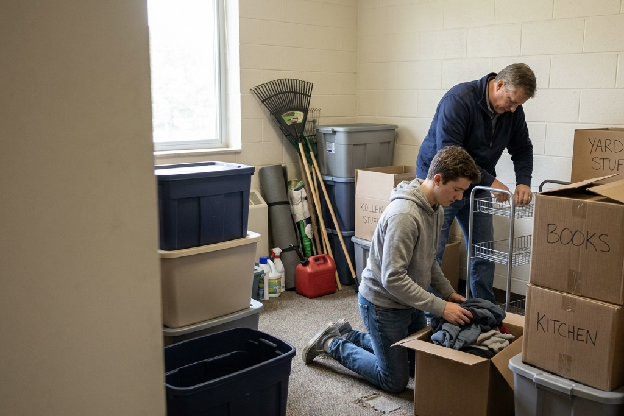
If you're using a storage pickup service to move belongings out of your dorm, the same prohibited item rules apply. Every item that goes into a unit, regardless of who's handling the logistics, is your responsibility.
Why Storage Facilities Ban These Items
It comes down to insurance, liability, and the safety of every renter in the building. Storage facilities carry commercial insurance policies with specific exclusions. If a fire starts because someone stored flammable materials, the facility's coverage may not apply. That exposure gets passed on through lawsuits, claims, and rate increases for everyone.
There are also local fire codes and zoning regulations that facilities must comply with. A facility found housing hazardous materials or illegal goods can lose its operating license. Enforcement isn't arbitrary, it's the facility protecting a business that hundreds of other renters depend on.
What Happens If You're Caught
The sequence starts with discovery and escalates quickly. A facility employee who spots a prohibited item during a routine check will usually issue a notice to remove it. If you don't comply, access to your unit can be cut off without further warning.
Under most rental agreements, the facility has the right to lock you out, remove your belongings, and terminate your lease. If the item poses an immediate danger, they may contact local authorities before contacting you at all.
Many renters get it wrong by assuming there will be a warning before the police get involved. For certain items like drugs, stolen property, and weapons tied to a crime, facilities are often legally obligated to report immediately. There is no warning phase. Depending on the item and the state, charges can range from improper storage of hazardous materials to criminal possession, carrying fines, probation, or jail time.
How Facilities Detect Prohibited Items
Most detection happens at routine touchpoints: move-in inspections, walk-throughs, smell (fuel and chemicals are hard to conceal in an enclosed space), or reports from neighboring renters.
Some facilities use security cameras at unit entrances.
The underlayment of most violations is forgetfulness. Someone packs prohibited items without fully reading the lease and stops thinking about them. That's usually when a routine inspection becomes a problem.
What to Do If You've Already Stored a Prohibited Item
The very first thing is to remove it yourself before anyone finds it. Most facilities will not pursue further action if you handle it voluntarily and promptly. The situation escalates when renters get defensive, delay, or try to conceal the issue after being flagged.
If you're unsure whether something qualifies as prohibited, it helps to know the right questions to ask a storage facility before you sign anything. Facilities handle these questions regularly and would rather answer them than deal with an incident later. Asking is not an admission of anything.
Additionally, when storing someone else's belongings, ask what's in the boxes before anything gets packed, and if you're still pulling things together, a college packing timeline can help you sort what goes into storage versus what stays with you. Your name is on the lease, which means you're responsible for whatever ends up in the unit, regardless of who put it there.
Note: For items that need proper disposal, old paint, solvents, certain electronics, most municipalities run free hazardous waste drop-off programs. Search your county name and "hazardous waste disposal" to find the nearest option.
Legal Consequences of Storing Prohibited Items
Criminal exposure depends on what was stored and where. Storing flammable materials improperly is typically a civil or administrative matter, fines, lease termination, liability for damages. Storing illegal goods is a different situation entirely. Here are a couple things to remember:
- Possession charges follow the item, not the location. Storing drugs or stolen property in a unit doesn't create a legal buffer. It adds a second location to an existing problem. Some states classify improper storage of hazardous materials as a misdemeanor or felony depending on quantity and intent. If others had access to the unit and law enforcement gets involved, conspiracy charges are possible.
- The financial exposure compounds quickly. If prohibited items cause damage to the facility or neighboring units, you're liable for repair costs. Most renter insurance policies explicitly exclude prohibited items, meaning you won't just lose your belongings, you could owe money on top of it.
Knowing exactly what's in your unit, and keeping it compliant, is the only real protection against any of this.
Looking For a Stress-free Storage Unit?
Storage Scholars picks up from your dorm, stores your items securely, and delivers everything back when you return to campus. Serving upwards of 200 campuses and thousands of students, Storage Scholars is your hassle-free bet. Get yourself a quote today.
Storage Scholars publishes a cost comparison showing its 2026 average rate of $172 per month against a total DIY cost of $3,684 or more once packing supplies, truck rentals, a self-storage unit, and incidental costs like flights and lost work time are added up.
Storage Scholars reports a 2026 damage claim rate of 1.012% versus a 17.7% industry average, and offers complimentary basic protection plus $1,000 coverage and $2,500 coverage upgrades.
Storage Scholars is a student-run storage, moving, and shipping company for college students, picking up belongings from the dorm, storing them safely between semesters, and delivering them back, backed by Shark Tank investor Mark Cuban.
Frequently Asked Questions
What are the most common illegal storage unit items people store by mistake?
Flammables top the list, gasoline, propane tanks, paint thinner, and fireworks are the most frequently stored prohibited items, usually because renters think of them as forgotten yard equipment rather than fire hazards. Food, plants, and animals are also common violations.
What happens to your lease if you're caught with prohibited items?
Under most rental agreements, the facility can lock you out, remove your belongings, and terminate your lease, sometimes without further warning after the initial discovery. If the prohibited item poses an immediate danger, access may be cut before you're even contacted.
Are you liable if someone else put prohibited items in your unit?
Yes. Your name is on the lease, which makes you legally responsible for everything in the unit regardless of who packed it. If prohibited items cause damage to the facility or neighboring units, you can be held liable for repair costs, and most renter insurance policies explicitly exclude coverage for prohibited items.
What are the criminal consequences of storing illegal items in a storage unit?
It depends on what was stored. Improperly stored hazardous materials can result in fines, lease termination, or misdemeanor and felony charges depending on quantity and state law. Storing drugs or stolen property can lead to possession charges, and if others had access to the unit, conspiracy charges are also possible.
Set a reminder to sign up for storage!
We’ll remind you to sign up when it gets closer to your winter and summer break!
This article is part of our College Summer Storage guide
You Might Also Like...

Want to hear from us about exclusive discounts and promotions?
Drop your email and we'll keep you up to date!
